

Guide on Manufacturing & Logistics for Beginners: The Basics
Manufacturing and Logistics Beginner Guide – These are two aspects of the product-based businesses that cannot be overlooked. When you purchase the chair, mobile phone, food, or garment, this means that what you get is only the end point of an elaborate process.
In the process of getting the product you purchase, some people have sourced the materials used, manufactured the products, stocked the products, transported them and delivered them to the required destinations.
The beginner’s guide to manufacturing and logistics may look like an elaborated issue due to several processes involved but the basics are rather simple. Manufacturing simply involves production while logistics involve stock keeping and movement of products.
Definition of Manufacturing
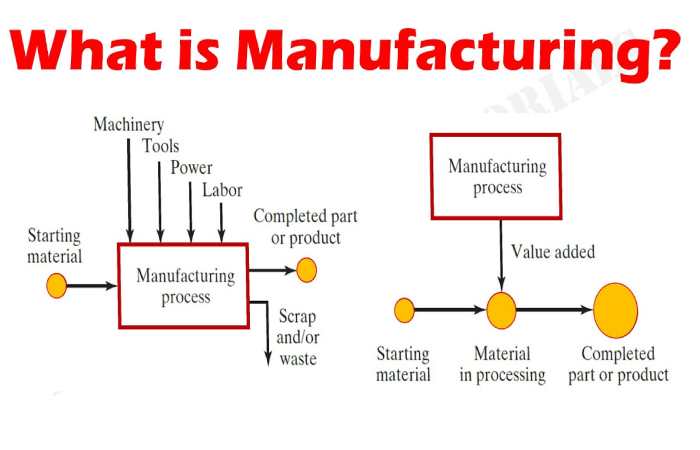
The manufacture involves the transformation of raw materials or parts into finished products.
A good example is that of a furniture manufacturing company which might buy wood, nails, paint, glass, among other raw materials. The workers and machinery will then use those materials to produce tables, chairs, and cabinets.
Manufacturing can be small-scale or large-scale and done by the use of sophisticated machinery.
Examples of manufacturing sectors include:
- food and beverage
- Clothing
- Electronics
- Automobiles
- Furniture
- Pharmaceuticals
- Consumer products
- Industrial equipment
The process involved is very different from one industry to another.
How Does Manufacturing Process Work?
1. Product Planning
Before production starts, the firm must determine what product should be produced and how many should be produced.
The factors to be considered during production planning include customer demands, material availability, labour availability, and due dates.
In case of a firm producing school uniform, it may produce more uniforms prior to the new school year.
2. Sourcing Materials
The business requires raw materials or components prior to starting the production process.
A clothes maker may require fabrics, threads, buttons, tags, and packing material. An electronic goods manufacturer may require circuit boards, batteries, screens, and other components.
The arrival of materials is important since a lack of one component may delay the whole production process.
3. Production
It is where the process of production happens.
The different products require different types of processes such as cutting, mixing, assembling, welding, sewing, molding, painting among others.
Some factories depend highly on machines while other factories have a combination of both machines and manual labor.
4. Quality Checking
Products need to be checked to make sure they meet the company’s requirements.
Product inspections can also be conducted during production, as well as after the completion of the product.
For instance, an inspection by the furniture company can be done to ensure that there are no scratches on the product, any loose pieces or any inaccurate dimensions.
5. Packaging
After the production process is complete, the products are then normally packaged for storage and transport.
Packaging is very essential in protecting products against any form of damages and may also facilitate handling of the products.
Packaging specifications vary according to the products.
What Is Logistics?
It connects different points in the supply chain. Materials may need to travel from a supplier to a factory, while finished products may move from the factory to a warehouse and then to customers.
Logistics can include:
- Transportation
- Warehousing
- Order fulfillment
- Packaging
- Inventory movement
- Shipment tracking
- Delivery
- Returns
The logistics group needs to consider the destination, the time of arrival, and the efficient movement of products.
Common Manufacturing and Logistics Challenges
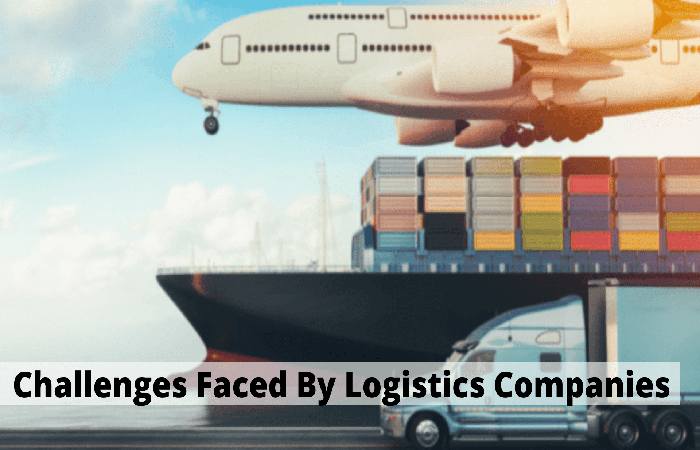
Various challenges can be faced by companies in these areas.
The manufacturing company may experience problems like breakdown of machinery, shortage of materials, quality problems, and labor shortage.
The logistics department may come across traffic situations, weather situations, damage to cargo, wrong address, transportation delays, and congestion in the warehouse.
Proper planning would be required to tackle these problems. This means that preventive maintenance could prevent any machine failure, while making sure that there are sufficient levels of the materials will reduce delays from the supplier.
A Simple Example
Imagine a small business firm that produces wooden handcraft toys.
The firm buys wood, paints, packing materials, and many other things from its vendors. All of these supplies get into the factory and are inspected before storage.
The employees then make the toys by cutting and assembling them. Quality inspection is done; the toys are painted and packed.
All of these toys are kept in storage waiting for the orders from customers. As soon as the order is placed, one of the employees will retrieve the item needed, prepare it for shipment, and pass it to the shipping company.
On one hand, manufacturing is responsible for the production of the toy, whereas logistics facilitates transportation. Manufacturing focuses on the creation of the toy, while logistics supports the movement of supplies and finished product.
When the wood vendor is late with supplies, the production can be affected. In case of delay with delivery, the customer gets his product late.
Final Remarks
Even though manufacturing and logistics have different tasks, they are very much interconnected. The main concern of manufacturing is the process of producing goods, whereas logistics provides for storage and transportation of both materials and goods produced.
The simplest method for beginners to learn about both is following the product’s flow:
Materials → Manufacturing → Inspection → Packing → Storage → Shipping → Client
Each step influences the next one. Issues with materials can impact the production process, issues with production can influence the inventory, and logistics problems can impact the client.
These people will know how to choose in terms of inventory, production, logistics, and technologies.
It is not necessary to jump straight into the vocabulary related to this field. It will be much better to begin with the basics, examine how the processes interact, and only then proceed to such notions as lean production, warehousing, automation, and logistics.