The etymology of the active word leads us to actīvus, a Latin word. The term fixed asset can be used as a noun or as an adjective: in this case, we are interested in its meaning as a noun, naming the good or right that has a financial value and a subject or a company own that.
Fixed, on the other hand, is an adjective that can be used to qualify what is established according to certain parameters or standards or to what is established, consolidated or that does not vary.
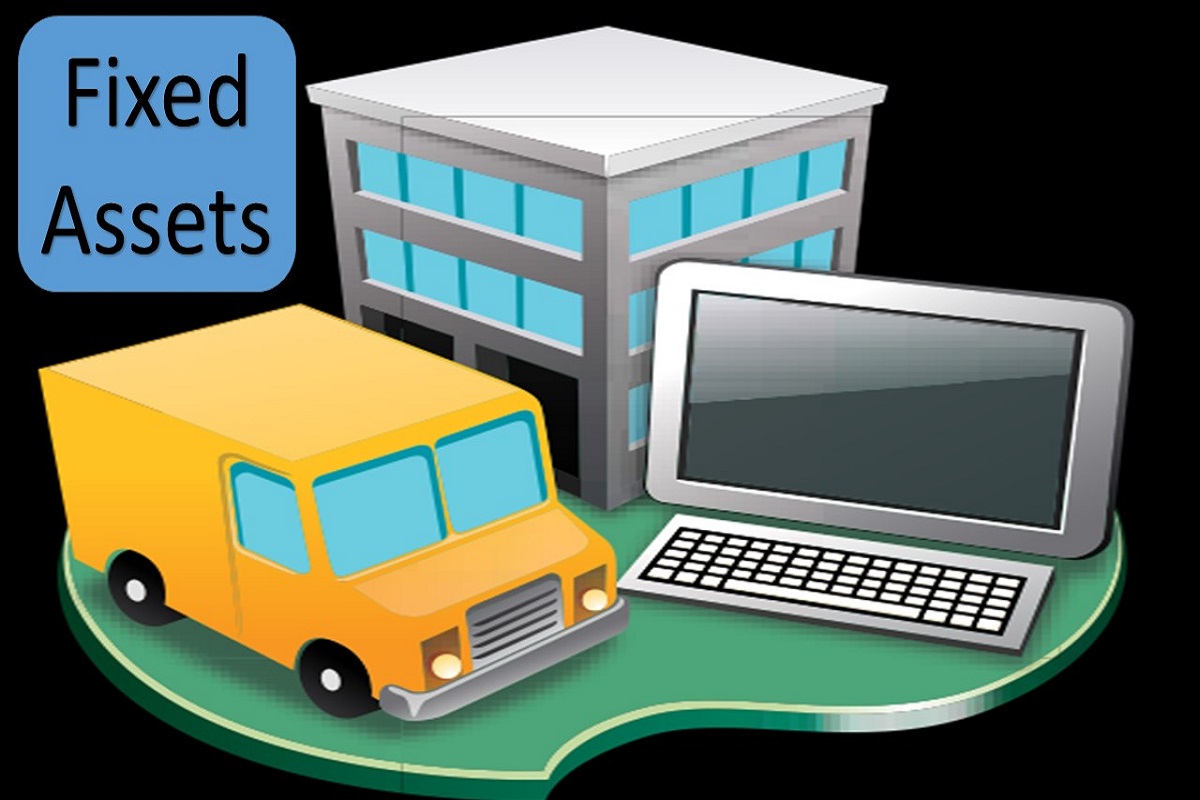
With these ideas in mind, we can advance in the definition of fixed assets. The notion refers to the financial or economic asset that does not undergo changes in the fiscal year or during the operating cycle of an entity. These assets are recorded in the financial statements of a company, in the credit column.
Companies must also consider how broader economic conditions affect the value of their assets. Understanding the definition of inflation can help explain how rising prices influence purchasing power and the cost of acquiring business resources.
- It is important to establish, in addition to what has already been indicated that there are several types of fixed assets. Thus, we came across exactly three:
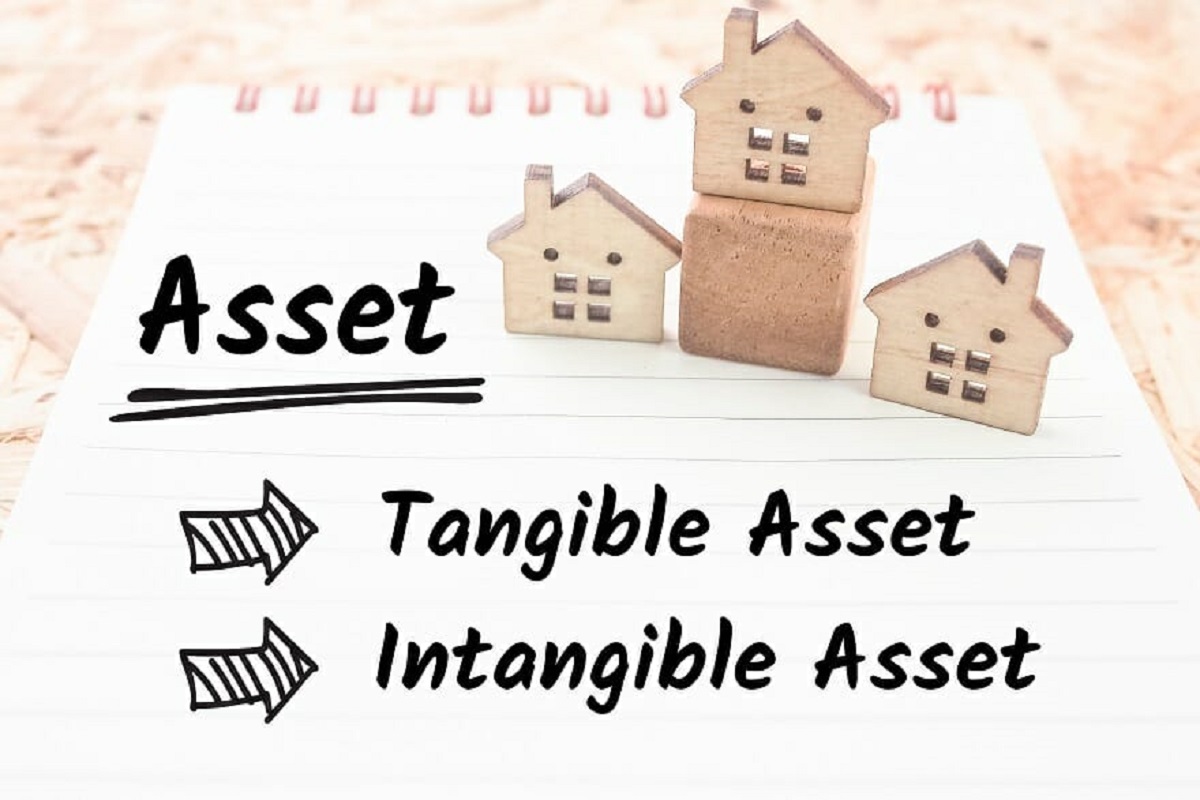
- Intangibles, which refer to things that cannot be touched physically, as would be the case, for example, of a trademark patent. Also in this set are included copyright, franchises, permits, licenses…
tangible and intangible assets
Digital assets are another area businesses and investors may need to understand when reviewing their financial holdings. For example, learning how Bitcoin cashouts work can help explain how cryptocurrency holdings may be converted into cash.
- The tangible, which are those that can be touched. In this case, we would be referring to vehicles, real estate, machinery, tools … In the same way, in this group, we can include computer equipment, technical facilities, furniture, merchandise…
- The fixed assets that are present in the form of investments in what are affiliated companies.
Take the case of the warehouse where a transport company keeps its vehicles. This is a fixed asset of the company because, while it develops its services, it remains under the property of the company without registering changes. In this way, fiscal years can pass without the house undergoing modifications that alter its value.
The purchase and maintenance of these resources also form part of a company’s overall expenditure, making it important to plan budgets and track costs when managing fixed assets.
Those assets that do change during an exploitation cycle are called current assets. Returning to the previous example, the sheets of paper that the transport company acquires to print receipts and receipts are current and not fixed assets because said sheets are modified and distributed within the framework of the activity of the firm.
A company’s investment in fixed assets can contribute to its production capacity and overall economic output. At the national level, Gross Domestic Product (GDP) is one measure used to assess the value of goods and services produced in an economy.
It is important to establish, in addition to what has already been indicated that there are several types of fixed assets. Thus, we came across exactly three:
Intangibles, which refer to things that cannot be touched physically, as would be the case, for example, of a trademark patent. Also in this set are included copyright, franchises, permits, licenses…
The tangible, which are those that can be touched. In this case, we would be referring to vehicles, real estate, machinery, tools….. In the same way, in this group, we can include computer equipment, technical facilities, furniture, merchandise…
The fixed assets that are presented in the form of investments in what are affiliated companies.
Also, to the indicated, it is relevant to know another series of data about fixed assets in general, such as the following:
They have a useful life, which is the time during which the company in question makes use of the same.
In that mentioned life can influence the technological obsolescence to time through the utility they have.
At the time of accounting for a fixed asset, you have to look at aspects such as the initial cost.
The possibility may gives u that the assets above are subject to a depreciation, which can be defined as the process consisting of what is the allocation of the cost of the asset to expenses according to what is its original cost.
Changes in the general price level can also affect how businesses assess the cost and value of their assets over time. For a broader explanation, see what inflation is.