

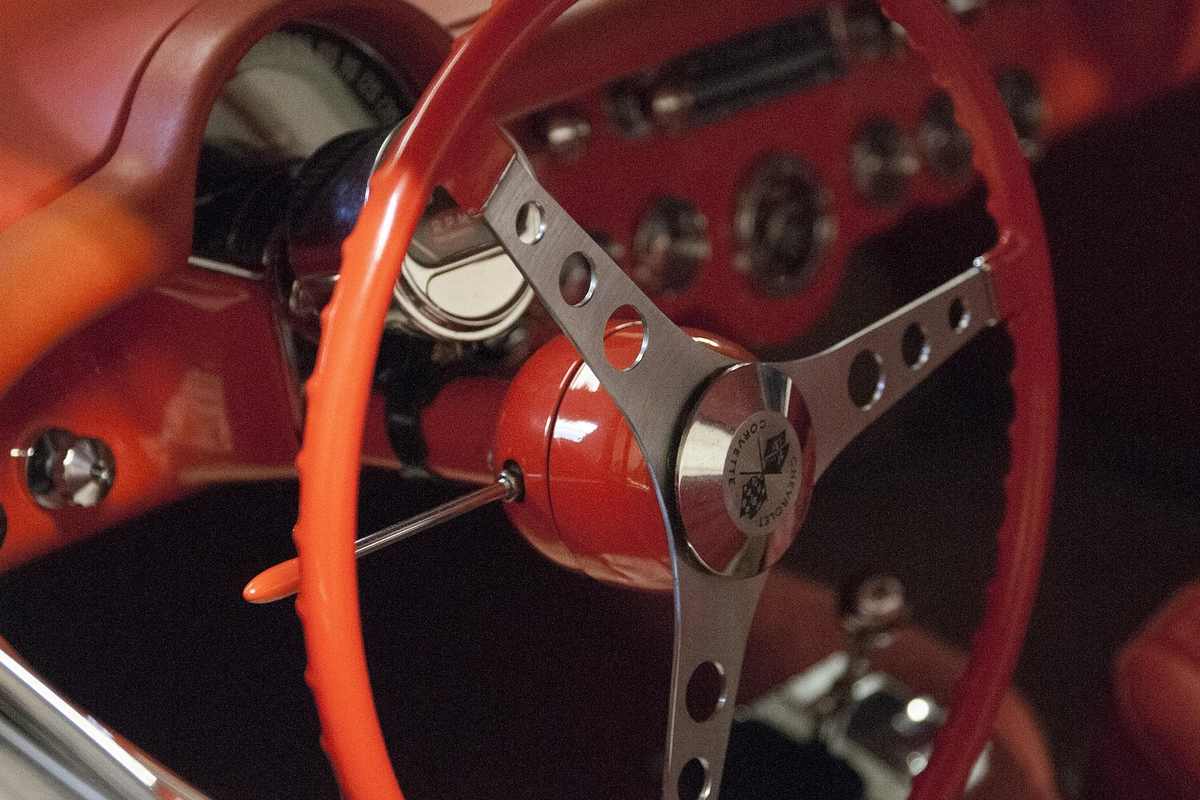
Buying a car is only the beginning. Car owners drive out of the dealership with the key already in their hand, yet the tale is not finished. Accessorization adds another layer of significance to the drive. It assists in making ownership a more personalized experience. Moreover, accessories provide companies with new opportunities for developing better relationships with their clients.
Accessories as Signs of Care
The little things can sometimes say a lot about how one cares for their car. For instance, a Corvette cover not just protects the painting from damage. It means that the owner cares about the vehicle and values it enough to take care of it.
These items are not just practical. They represent the relationship that is possible between an individual and the machine.
A clear unique selling proposition can help an accessories brand explain what makes its products different and why car owners should choose them over competing options.
Psychology of Personalization
Everyone who drives wants their car to stand out among others. Here come accessories to help you accomplish your goal. A distinctive spoiler, an elegant body part, or customized pedals will make your ride unique and special. With the help of these products, people personalize their vehicles according to their taste.
Understanding the science behind making sales helps businesses recognize how personalization, emotional connections, and customer preferences can influence buying decisions.
A company that provides diverse accessories satisfies drivers’ need for uniqueness. Thus, people start trusting the brand and buy its items again and again.
Functionality vs. Perception
Not all accessories relate to visual improvement. There are elements that change drivers’ perception while performing additional functions. For example, roof racks, performance tires, and enhanced lighting provide practical value but also affect drivers’ feelings.
That feeling is powerful. It transforms a purchase into an emotional connection. It becomes less about the part itself and more about what it represents.
Brand Loyalty through Accessories
A product may continue to project the brand’s image even when sold. This is because certain accessories will always serve as a constant reminder of the brand’s presence. For example, the installation of an exclusive seat cover carrying the brand name or special rims can ensure that the car becomes a walking brand advertisement.
Such reminders create loyalty. This means creating connections with the brand not necessarily in terms of the product, but in terms of the lifestyle around the product.
Revenue from Accessories Sales
From the business point of view, it would be unfair to ignore this opportunity to increase the bottom line. While cars themselves are rather expensive, accessories are sources of continuous revenue. For dealerships that rely on Salesforce to manage customer data and sales activities, Salesforce application test automation can help maintain reliable workflows as their sales operations grow. Their margins are usually quite high, thus allowing to convert some undecided buyers into customers of small things.
This psychological trick is well understood by dealerships and manufacturers alike, as catalogs are filled with different offers designed to spend some more money while keeping the buyer comfortable.
With the help of sales rep software, sales teams can track customer preferences, manage follow-ups, and recommend accessories that match each driver’s needs.
Dealerships can also strengthen customer relationships by using an internal salesforce to follow up with buyers, recommend relevant accessories, and provide personalized support.
Experience Rather Than Ownership
Drivers don’t only see their vehicles as means of transportation. Instead, they regard them as a part of themselves. Accessories fuel this attitude. Upgraded audio equipment transforms driving in traffic into a musical experience. The performance exhaust system makes any trip into an event. Accessories like wheels may even make you feel differently about your driving experiences every day.
This enhances driving experience and gives a certain value that goes beyond the accessory itself.
Trends Influencing the Development of Trends
There are trends that dictate drivers’ choice of accessories. Eco-friendly gear is rising fast. Shoppers want parts made from sustainable materials. Still others want intelligent features that will be connected to phones and applications. There are those who seek simplicity and minimalistic design.
Companies which respond to these changes keep ahead. Accessories no longer remain components. Instead, they become statements about one’s life style and values. Additionally, they become appealing to young people who want a car corresponding to certain cultural trends.
Long-Term Impact on Loyalty
The relation does not end when a person buys the car. A customer who spends money and effort to purchase accessories is unlikely to switch to some other brand. It means that a car becomes something unique for its owner. Switching to some other brand means losing everything.
An effective sales tech stack can help businesses manage customer information, personalize communication, and build stronger long-term relationships with car owners.
For the company, such an approach is invaluable. Accessories are not merely money but also long-lasting connections with customers.
In Conclusion
There is more to accessories than meets the eye. They not only serve the purpose of protecting cars, but they also serve to personalize and give more functions. They give you satisfaction and make your cars an extension of yourself. Purchasing a cover for your Corvette is more than just purchasing; it gives an indication of your devotion to it.
For businesses, this means consistent income and relationship building. For consumers, it means happiness and self-confidence. Accessories, therefore, indicate that once you sell the car, you have achieved half of what selling entails.