


Understanding the Types, Characteristics, and Benefits of Company Structure
Company Structures – One of the most important decisions one has to face when starting or running a company is choosing the right structure of an enterprise. Choosing the legal form of business has an impact on ownership, liability, taxation, the right to make decisions, source of funding, and conduct of business.
There are various kinds of company structures, and each of them fits different needs. For instance, a small local company would have easy ownership practices, whereas a newly emerged startup will need a more complex structure that makes attracting investors or entering new markets easier. Thus, by analyzing various types of company structures, one will be able to make the right choice concerning the form of the company depending on its needs.
What Is a Company Structure?
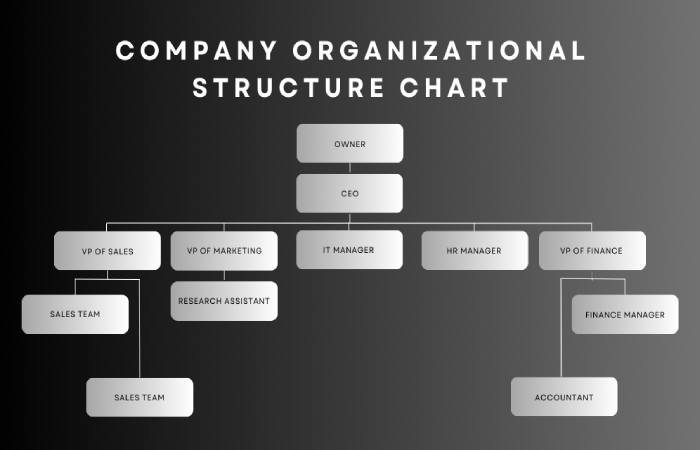
A company structure is the framework that defines how a business is owned and run. It shows how owners, managers, employees and shareholders are related and what they are responsible for. This includes responsibilities, taxes and who makes decisions.
The structure you choose when you start a business can affect how well it does in the future how easily it can change and how successful it is financially.
Why Choosing the Right Company Structure Matters
Choosing the company structure is very important. It has advantages.
Main Advantages
- It defines who is responsible for what
- It protects business owners from losing money
- It makes it easier to make decisions
- It helps the business grow
- It makes managing money easier
- It makes it easier to get more money
- It helps meet legal and tax rules
It makes the business look good to customers and investors
Partnership
A partnership is a business owned by two or more people who work together. They share responsibilities, profits, losses and management duties.
Types of Partnerships
General Partnership
All partners are equal. Share all responsibilities and liabilities.
Limited Partnership
Some partners only invest money and do not help with work so they are not responsible for as much.
Advantages
- Partners can invest together
- Partners can share their skills
- Decision making is
- The business has more resources
- Partners share the risks
Disadvantages
- Partners are responsible together
- Partners may not agree
- Profits have to be shared
- The business depends on partnership agreements
Company structure is important, for the company. Company structure is what makes the business run smoothly. Company structure matters for the future of the company.

Limited Liability Companies (LLCs)
An LLC takes the best of both, partnerships and corporations. LLCs have the flexibility of partnerships and the protection of personal liability of corporations. LLC members are usually insulated from personal liability for the corporation’s debts.
Limited personal liability
- Flexible management structure
- Separate legal entity
- Can have one or multiple members
Advantages
- Personal asset protection
- Flexible ownership
- Simplified management
- Credibility with customers
- Operational flexibility
Disadvantages
- Registration costs
- Ongoing compliance requirements
- State regulations may vary
The Major Features of Non-Profit Organizations
A non-profit organization is established for purposes such as serving the community and fulfilling the objectives of religious, educational, charitable, and scientific work without regard for making profits.
Characteristics
- Mission-driven
- Reinvests surplus funds
- Governed by a board
- Eligible for certain tax benefits in many jurisdictions
Advantages
- Public trust
- Grant opportunities
- Community support
- Tax advantages (where applicable)
Disadvantages
- Strict compliance requirements
- Funding challenges
- Limited distribution of profits
A cooperative enterprise refers to an enterprise, which is owned by its members, who share profits, obligations, and management.
Benefits
- Democratic management
- Shared ownership
- Equal voting rights
- Community-focused operations
- Member participation
Deciding on the Business Structure
In selecting a business structure, the business owners must consider many other factors also.
Number of owners :
- Startup costs
- Business liability
- Tax implications
- Funding requirements
- Management preferences
- Long-term growth plans
- Legal compliance requirements
- Industry regulations
- Exit strategy
By thoroughly considering these factors, companies are able to select a structure that is conducive to current operations and also allows for future growth.
Typical Pitfalls When Selecting a Structure
A great number of entrepreneurs select a structure without taking into account future expansion possibilities.
Here are some typical mistakes:
- Choosing based only on startup costs
- Ignoring liability protection
- Overlooking tax implications
- Failing to create partnership agreements
- Selecting an inflexible structure
- Ignoring legal compliance
- Not planning for business expansion
Asked Questions
What is a company structure?
A company structure is the way a business is set up legally and organized which determines how it is owned, managed and run.
Which company structure is best for a business?
The best company structure for a business depends on things like who owns it who is responsible, taxes how much money it needs and what its long term goals are. A lot of businesses start out as sole proprietorships or LLCs depending on what they need legally and financially.
Why is choosing the right company structure
It affects how much you pay in taxes what your legal responsibilities are, how well your business grows, who has ownership rights how easily you can get funding and how efficiently your business runs.
What is the difference between a company structure and an organizational structure?
A company structure is about the form of the business while an organizational structure is, about how the employees, departments and management are set up within the company.
Can a business change its company structure?
Yes. As a business grows it may need to change its structure to handle expansion, investment, tax planning or operational needs as long as it follows the law.
Conclusion
The choice of business organization constitutes a key decision in running a business as it will have an impact on the future operations of a company as every aspect of a company’s activities is influenced by the type of the business structure. Each type of business structure appeals to certain audience and hence, it is important to analyse a business objective, preference in ownership, liability issues, and future expansion before choosing the business structure.
As the process of establishing a business goes on, it should change its organizational structure as well as the legal one to meet the requirements of the times. By getting acquainted with the types of business structures and applying the rules in running a business, entrepreneurs will be able to find the best business structure for themselves.