

Common mistakes – Costly Errors Every Entrepreneur Should Avoid
Common mistakes – Venturing into business is indeed an admirable venture, but at times it might prove difficult. Any entrepreneur desires success and profitability for his enterprise. However, many enterprises face numerous difficulties that could have been avoided through proper planning and learning from past mistakes. Many enterprises face various difficulties that occur due to poor planning by the founders, lack of sufficient market knowledge, or poor financial management.
Fortunately, such difficulties may be easily avoided by the founders if they are well-prepared, plan carefully, and are willing to learn from previous mistakes. The knowledge of possible startup mistakes enables entrepreneurs to make sound judgments, hence risk-free investments in their enterprises for continued growth and success.
This manual contains information on the common mistakes among startups, reasons why such mistakes occur, and measures of avoiding them.
Why it is Important to Learn From Startup Mistakes
Is because every business has problems, but if they keep making the same mistakes over and over, it can slow them down and waste their money. If entrepreneurs know about the mistakes that startups make, they can make better decisions, make their businesses stronger, and have a better chance of being successful in the long term.
Learning from what other businesses have done can help you.
- Reduce financial risks
- Improve business planning
- Build stronger customer relationships
- Make your business work better
- Get used to changes in the market
By avoiding these mistakes startup can focus more on ideas making customers happy and growing in a way that lasts.
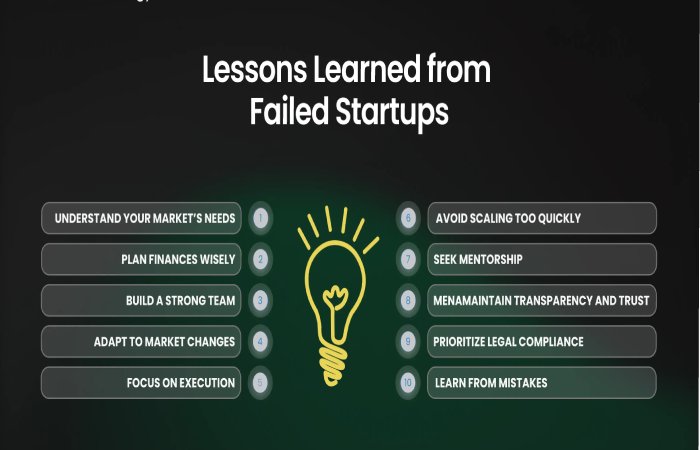
Error 1: Starting Without a Business Plan
- Lots of people start their businesses with a lot of energy but without an idea of where they are going. If you do not have a business plan you can end up with goals that’re not clear making bad choices with money and growing in a way that is not steady.
How to Avoid It
- Make a business plan that includes things like a plan, for your startup and this plan should have all the important details.
- Business objectives
- Market analysis
- Marketing strategy
- Operational plan
- Financial projections
- Growth goals
You should look at your business plan. Make changes to it as your business changes.
Error 2: Ignoring Market Research
When you start a business one big mistake is to make a product without knowing what customers want.
- This is something that a lot of businesses do.
- Without doing the research businesses might make products that do not solve the right problem or they might be making products for the wrong people.
How to Avoid It
You need to do a lot of market research before you start your business.
- Your market research should include:
- Customer demographics
- Buying behaviour
- Industry trends
- Competitor analysis
- Customer pain points
- Take advantage of surveys, interviews, online ratings, and industry reports in order to gain valuable insight.
Error 3: Inadequate Financial Management
Underfunding is the reason for the death of startups more often than any other. The owner does not estimate the expenses or income and fails to keep track of the finances correctly.
How to Avoid It
Create an accurate budget and constantly track your financial performance. Keep track of:
- Revenue
- Expenses
- Cash flow
- Profit margins
- Business taxes
- You should think about using accounting software or working with a person to stay organized.
Error 4: Pricing Products Incorrectly
If you set prices too low it can reduce the money you make and if you set them high it may scare away customers who want to buy from you.
Some new companies only look at what their competitors are charging, and they do not think about what it costs them to make their products and what they are worth.

How to Avoid It
You need to come up with a pricing plan that is based on the pricing products and the pricing strategy and the pricing of the products.
Production costs
- Market demand
- Competitor pricing
- Customer value
- Desired profit margin
Check your pricing once in a while as your business progresses.
Error 5: Attempting to Attract Every Customer
Startups think that their product could be appealing to everyone.
How to Avoid It
- Establish a targeted audience based on:
- Age
- Location
- Interests
- Income
- Buying habits
- Customer challenges
Targeted marketing campaigns work much better than mass marketing campaigns.
Error 6: Ineffective Marketing
Even excellent products need adequate promotion.
Entrepreneurs may believe that customers would find out about their business automatically, making their company less noticeable and sales slower.
How to Avoid It
Plan a marketing campaign including such components as:
Error 7: Building Team Too Early
Creating a big team without having a steady income will make you spend more and be less financially flexible.
How to Avoid It
Hire employees only when necessary.
Focus first on:
- Essential business functions
- Outsourcing specialized tasks
- Freelance professionals
- Automation tools
Grow your team as customer demand increases.
Error 8: Ignoring Customer Feedback
Client feedback is an indicator of the quality of the service and product offered.
Encourage customers to share feedback through:
- Surveys
- Reviews
- Email communication
- Social media
- Customer support interactions
Use this information to improve your products and services continuously.
Error 9: Expansion Too Fast
Quick growth seems successful but expanding too fast may lead to issues.
How to Avoid It
Expand gradually by ensuring:
- Stable revenue
- Strong customer demand
- Reliable operations
- Adequate staffing
- Healthy cash flow
Sustainable development holds greater importance than fast and unstable development.
Error 10: Ignoring Legal Requirements
- Failure to meet any legal requirement may lead to consequences.

How to Avoid It
Make sure your business complies with all the legal requirements such as:Business registration
- Licenses and permits
- Tax compliance
- Employment regulations
- Intellectual property protection
Set Clear Goals
You need to make goals that you can measure and that you can reach in a time and in a long time. These goals will help you make decisions for your business.
Focus on Customer Satisfaction
You need to give your customers products, answer their questions, and always give them value.
Build a Strong Team
You should hire people who think like you and who are good at what they do.
Invest in Learning
You should always learn things by reading books, taking classes, going to events, and talking to people who know a lot.
Review Business Performance Regularly
You need to look at how your business is doing by checking your money, what your customers say and how your marketing is working. This will help you find ways to make your business better.
Asked Questions
What is the biggest mistake startups make?
One big mistake that startups make is starting without knowing what people want or without a good plan. If you know what people want and you plan well you will have a chance of doing well.
Why do many startups fail?
Startups fail for reasons. They do not manage their money well they do not have customers their marketing is not good they grow too fast or they do not have a good plan.
How can entrepreneurs reduce business risks?
Entrepreneurs can reduce risks by making a business plan managing their money well knowing what people want checking how their business is doing and changing when they need to.
Can startup mistakes be corrected?
Yes. Many business problems can be fixed if you find the problems early change what you are doing make your business better and listen to what your customers say.
Conclusion
Being a successful startup is all about learning and making smart decisions in order to deliver value to your customers. Keeping up with regular reviews of how your business performs and knowing the latest trends in your field of business will help you stay on top of things. With thorough planning, your business will have a much better chance of succeeding.