


Small Business Growth and Entrepreneurship Guide
Small Business Growth and Entrepreneurship Guide – Sustainable Business Growth Strategies. When it comes to growth, business growth needs to be done in a manner and not in a rush. You get to turn your ideas into reality, make money, and help people. Launching a business is just the start. The problem is how to expand the business while dealing with the changing needs of the market.
Understanding the basics of entrepreneurship and sustainable growth is essential for those who start their own business or want to expand the business that they already have. In the following, you will learn some valuable tips, possible mistakes and the solutions that can help entrepreneurs build successful businesses.

Concepts of Entrepreneurship
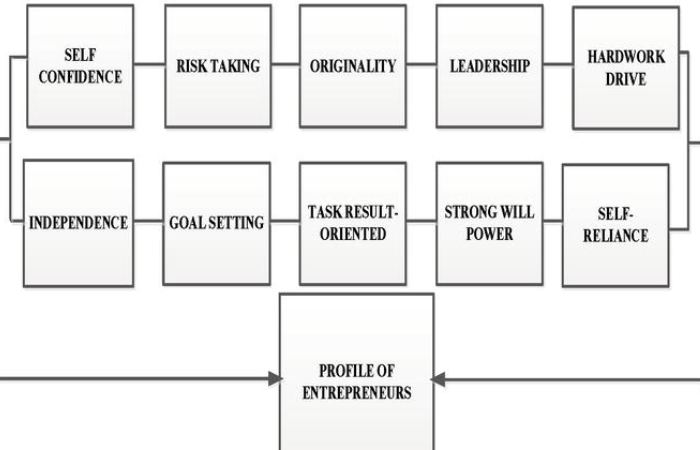
Having an enterprise is not what entrepreneurship is all about. It goes beyond that because entrepreneurship involves looking for opportunities, having a solution-oriented mindset, taking risks and creating value. Entrepreneur is the one who identifies gaps in the market and fills these gaps through the provision of relevant products/services. There are various qualities possessed by successful entrepreneurs including:
Good problem solver.
They are good at solving problems.
- They can adapt to changes, in the market.
- They keep learning and improving.
- Effective communication
- Financial discipline
- Persistence during setbacks
- Customer-focused thinking
Natural talent is a positive trait, although such qualities can be developed due to practice, education, and hard work.
The Importance of Small Businesses
Small businesses play a vital role in any economic system. They provide jobs, bring about innovations, serve societies, and contribute to economic growth. In comparison to large firms, small enterprises have a natural element of flexibility in them. They can adjust to the requirements of their clients more quickly and build better relations with them. Many of the world-known companies began as small businesses working from a garage, extra room at home, or office space. The fact that the slow growth can become a key factor for success is evident from the success of these companies.
Step 1: Come Up with a Business Idea
- Every business starts with a good and valuable idea.
- These are some of the questions to ask before spending your money and time on your future business:What problem does my business solve?
Step 2: Develop a Good Business Plan
Your business plan is what will act as the basis of your business. It provides guidance and organization.
A good business plan contains:
Executive Summary
It gives a brief summary of your business and its mission.
Market Analysis
Do research on your market, your competitors, and the environment.
Showcase how you are going to get and retain your customers.
Product or Service
Identify your offering and how it serves your clients.
Marketing Plan
Present details on your company operations, workforce, suppliers, and logistics.
Financial Plan
List estimated income, expenses, cash flow and profits.
Your business plan must change along with your company development.
Step 3: Develop a Good Branding
The branding of your company is not only about its logo and name of the organization; rather, it is a representation of your organization and its values:
Branding involves:
- A memorable business name
- Professional logo
- Consistent color scheme
- Clear messaging
- Reliable customer service
- Professional website
- Active social media presence
Step 4: Know Your Customers
When you individual a business, you need to think about your customers. Your customers are very important. The main thing you should do is make sure your customers like what you’re doing. This is because happy customers are good for your business and your customers will come back to you if they are happy with your business. You should always think about what your customers want from your business and try to give your customers what they need.
Step 5: Financial Management
Small businesses often fail due to poor financial management and not bad products.
Keep accurate financial records from the very beginning. Key financial practices include:
- Tracking income and expenses
- Separating personal and business finances
- Monitoring cash flow
- Creating monthly budgets
- Paying taxes on time
- Building an emergency reserve
- Using accounting software can make bookkeeping easier. Help you see your finances more clearly.
Content Marketing
When you put out blogs, guides, videos and other helpful things it helps people trust you. Think you are an expert.
Email Marketing
Sending out newsletters on a basis helps you stay in touch with your customers and get them to buy from you again.
Paid Advertising
Google Ads and ads on media can get you the right kind of visitors quickly. The key, to marketing is to give people something valuable before you try to sell them something.
Step 6: Customer Services
The way you treat your customers can be the key factor whether they will return to do repeat business.
- Satisfied customers will always refer your company to other people they know, which is a great kind of marketing. Solving problems professionally
- Being transparent about policies
- Following up after purchases
- Handling complaints respectfully
Step 7: Develop an Online Presence
- In today’s world, people expect firms to have an online presence.
- A proper website should have:Business information
- Product or service details
- Contact information
- Customer testimonials
- Secure payment options
- Mobile-friendly design
Step 8: Assemble the Right Team
With the growth of your business, you will need a good team around you.
Hiring employees who:
- Share your company values
- Possess relevant skills
- Communicate effectively
- Adapt to change
- Enjoy solving customer problems
Automation helps to get rid of work that is repeated over and over so entrepreneurs have time to think about how to grow their business in a way. Solutions, to Common Challenges Each entrepreneur faces problems that they have to deal with.
Market Changes

Keep track of changes in the market and be prepared to change if your customers’ tastes alter.
Customer Acquisition
Concentrate on gaining trust through useful content, quality services, and communication. Doing analysis is really helpful because it shows us the areas that need to be improved in the analysis.
The importance of innovation is something that we should always think about when we’re doing the analysis.
The sustainable business growth strategies should always think about what they’re doing.
Try these long-term solutions:
- Broaden Your Range of Products
- Add complementary services or products to cater to the needs of your customers.
Enter New Markets
- Explore various geographic markets or customer categories.
- Make Strategic Alliances
- Develop partnerships with companies targeting the same target group.
- Retain Customers Better
- Your loyal clients are more likely to spend money and bring other clients.
- Monitor Key Performance Indicators (KPIs)
Here are some KPIs to keep an eye on:
Revenue growth
- Profit margins
- Customer acquisition cost
- Customer lifetime value
- Website traffic
- Conversion rates
- Customer satisfaction12
Innovation is what keeps businesses competitive.
- Innovation does not always mean we have to come up with something new and amazing Innovation is just about finding new ways to do things and this is what Innovation is all, about.
Simple improvements such as:
- Faster customer support
- Better packaging
- Easier online ordering
- Flexible payment options
- Improved user experience
- Doing analysis is really helpful because it shows us the areas that need to be improved.
The Importance of Innovation
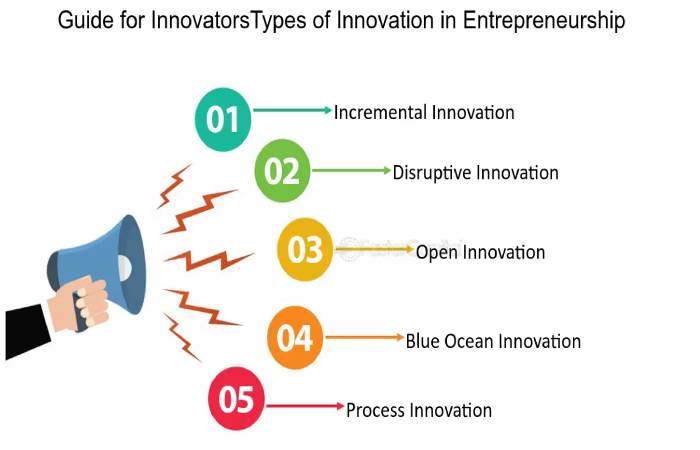
- Innovation is what keeps businesses competitive.
Innovation does not always mean we have to come up with something new and amazing Innovation is just about finding new ways to do things and this is what Innovation is all, about.
- Stay curious
- Take calculated risks
Measuring Business Success
Revenue alone does not define success.
Consider multiple indicators, including:
- Customer satisfaction
- Employee engagement
- Brand reputation
- Market share
- Profitability
- Business stability
- Community impact
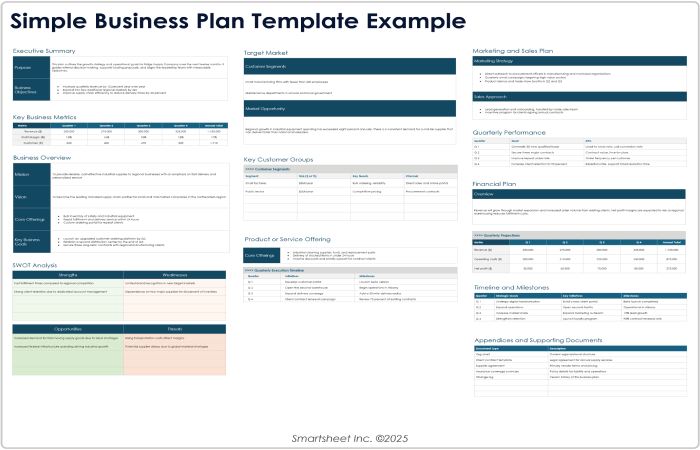
Sample Business Plan
An effective business plan serves as a road map to help you embark on your entrepreneurship voyage. Not only will it organize your plans, but it will also be helpful in attracting investments and securing loans as well. While each business may have different needs, a good business plan must address all the necessary elements of your company.A simple business plan typically includes:
Funding for Your Startup
Every business requires capital to launch; however, not every entrepreneur has access to large amounts of money. Fortunately, there are a number of different ways to fund a startup based on your requirements.
- Some typical forms of startup capital include:Personal savings
- Support from family and friends
- Bank loans
- Government grants and small business schemes
- Angel investors
- Venture capital firms
- Crowdfunding platforms
- Business incubators and accelerators
Prior to seeking funding, make an exact calculation of your requirements and draw up a realistic financial forecast. It will be very helpful to know your finances inside out as investors like to see that entrepreneurs are smart enough to manage their finances well.
As another piece of advice, you should try to avoid getting into debts during the early stages of business development.
Growth Frameworks
Growing a business is not about selling more things it is about making sure your company can handle getting bigger without losing the quality of what you do or the trust of your customers. When you have a plan for growing your business you can make choices and not grow too fast.
Here are a few ways to help your business grow:
- Market Penetration: You can sell more to the people who already know about your business by doing a job of marketing having good sales or taking care of your customers.
- Product Development: You can make things or make the things you already have better so your customers will like them more.
- Market Development: You can sell your things in places like, in a different city or a different country to get more customers.
Diversification of Business: Expand to other industries or develop complementary products for your existing industry.
The best performing businesses do not implement all these strategies together, but instead pick one strategy and measure its performance before moving to the next strategy.
Common Errors Entrepreneurs Make While Starting Their Business
When you start your business, you will make mistakes. This is because starting a business is, like learning something from the beginning. The key thing is to learn from the mistakes you make with your business and use these mistakes to improve your business. Making mistakes with your business does not have to be a thing. You can use the mistakes you make with your business to make your business better. This is what matters when you have your business.
Scaling Operations

When you want to scale a business you need to be able to serve customers without spending a lot more money on your daily operations. This is different from growing your business. Scaling a business is really about getting better, at what you do and making systems that will help your business keep growing over time.
Some practical ways to scale your business operations include:
- Automating repetitive tasks with business software.
- Standardizing workflow and operations.
- Recruiting competent employees or outsourcing special tasks.
- Making use of technologies that increase efficiency.
- Working closely with suppliers and logistics partners.
- Measuring performance via key metrics of business.
- Establishing customer support system.
It is important to keep the same high-quality products and services when scaling up, which is attractive to your customers in the first place. Efficient scaling means to increase efficiency without sacrificing the quality of service or product and the reputation of the company.
Entrepreneurs understand that scaling is an incremental process. The creation of efficient processes and empowerment of people who participate in it will help you to grow your business and build its solid base.
Conclusion
The establishment of a successful small business requires hard work, and patience is one of its main components. While the path of every entrepreneur is unique, there are some common features which include: client focus, financial discipline, marketing, innovativeness, and flexibility.
Success requires time, and it results from making the right decisions, gaining experience and improvement of all aspects of business. Entrepreneurs who are willing to provide value to their customers and develop themselves are more likely to succeed.