

Legal Tools and Templates for Businesses: A Useful Manual for Businesses
Handling the legal aspect of running a business does not have to be complicated. No matter whether you are a start-up operating out of your computer, a growing enterprise, or a service provider, using proper business legal tools and templates will definitely simplify your daily operations. These include contract management, scheduling of key dates, handling of employees’ documentation, risk assessment, and recordkeeping.
The use of legal tools is not a substitute for the services of an attorney. Rather, it provides a convenient tool for organizing routine business activities and recognizing those situations that require professional legal advice.
Why Do Businesses Need Legal Tools and Templates?
Legal documents might be hard to control as a business grows. Contracts can be stored in emails, licenses have varying renewal dates, employees’ documents are in their respective folders, and so forth.
A simple legal management system can prevent many of these problems.
Improved Organizational Efficiency
The use of templates makes it possible for companies to have a standardized procedure in preparing documents.
No Deadlines Are Missed
A contract tracking system or a compliance calendar would make sure that no deadlines are missed.
Standardization of Business Processes
Through the use of standardized templates, this can minimize any confusion that may occur and allow various employees to do the task in the same way.
Essential Business Legal Tools
- Business Legal Checklist
A business legal checklist offers an overview of key issues that need to be addressed.
The basic checklist would contain the following:
- Business registration
- Licenses and permits
- Tax requirements
- Business contracts
- Employment documents
- Workplace policies
- Intellectual property
- Customer terms
- Privacy requirements
- Insurance
- Compliance deadlines
2. Contract Management Spreadsheet
Contracts are one of the most useful areas for a tracking tool.
Businesses can also track payment terms, notice periods, contract value, and important obligations.
This makes it easier to find agreements and act before deadlines arrive.
3. Compliance Calendar
The compliance calendar assists firms in tracking repetitive legal obligations.
It can include:
- License renewals
- Required filings
- Employee training
- Policy reviews
- Insurance renewals
- Tax-related deadlines
- Regulatory reporting
Adding reminders before the actual deadline gives employees time to complete the task properly.
Useful Business Legal Templates
4. Business Agreement Template
A general business agreement may contain sections covering:
- Parties involved
- Purpose of the agreement
- Products or services
- Payment terms
- Responsibilities
- Confidentiality
- Termination
- Dispute resolution
- Applicable law
The exact wording will depend on the specifics of the transaction itself. The template should be taken as an initial point to consider.
5. Template for a Non-Disclosure Agreement
Non-Disclosure Agreement (or simply NDA) may prove useful when the parties exchange confidential information among themselves.
In such a Non-Disclosure Agreement the information which is considered confidential, its use, the people to whom it can be disclosed and the consequences of the ending of the relationship are clearly stated. It can be used by businesses with their employees, contractors, suppliers, consultants or prospective business partners.
6. Employee Documentation Template
Businesses with employees may need different documents depending on applicable employment laws.
Useful templates can include:
- Employment agreements
- Job descriptions
- Employee onboarding checklists
- Workplace policies
- Confidentiality agreements
- Code of conduct documents
- Training records
- Termination checklists
Documentation ensures that workers know their role and provides managers with a standardized approach.
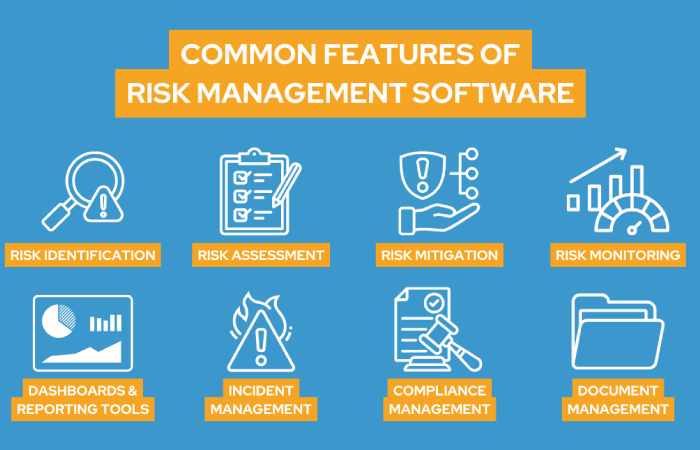
Risk Management Tools for Businesses
Legal risk is just one form of risk for any business. Risks relating to finance, operations, technology, logistics, and reputation should also be taken into account by a company.
Privacy and Data Protection Tools
Companies collect customer information through their websites, forms, payment processes, and email marketing campaigns.
Privacy Checklists assist businesses in comprehending the flow of information.
Use Consistent File Names
A consistent naming system makes documents easier to locate.
For example:
ABC-Supplier-Agreement-2026
is much easier to understand than:
contract-final-new2.pdf
Small organizational improvements can save considerable time.
How to Choose Business Legal Tools
There is no need for organizations to use expensive legal software.
An organization could potentially be able to handle a number of tasks through safe documentation, use of spreadsheets, reminder calendars, digital signatures, and approved templates.
The type of software required depends on the issue at hand.
Where contracts are hard to locate, it is necessary to improve document management; where deadlines are not being met, a compliance calendar needs to be developed.
Start With the Biggest Problem
Avoid buying several systems simply because they are available.
Begin with identifying the particular section which poses a problem for you. First of all, you need to find out what tool can solve this problem.
As the company grows, using sophisticated legal management software will become profitable. Mistakes That People Make While Working With Legal Templates
The first thing is to think that all templates will fit in any situation.
Legal conditions are different based on the region, industry, business type, and transaction itself.
Another common mistake is using outdated templates while not considering the changes in the business environment.
It’s important not to copy contracts online without understanding their contents.
Legal templates will help start, but there might be cases when it’s better to consult a lawyer.
Conclusion
The proper business legal instruments and forms may help in making the management of the company in terms of legal requirements easier and more efficient. There are plenty of instruments such as contract trackers, compliance calendar, risk register, employee checklist, form, and document management that can be used to organize legal aspects of your work.
The idea is not to produce extra paperwork. The idea is to introduce easy-to-follow procedures.
The first thing you have to do is to organize your legal documents, schedule your deadlines, use agreement forms, manage your records, and conduct the business risk analysis.
When your business grows and gets into more complex spheres of activities, it is necessary to develop legal system accordingly. In case when there is a matter concerning high financial, regulatory, employment, or contractual risk, it is better to turn to professionals.
A well-organized legal system does not only help to avoid mistakes but to gain more control and consistency.