

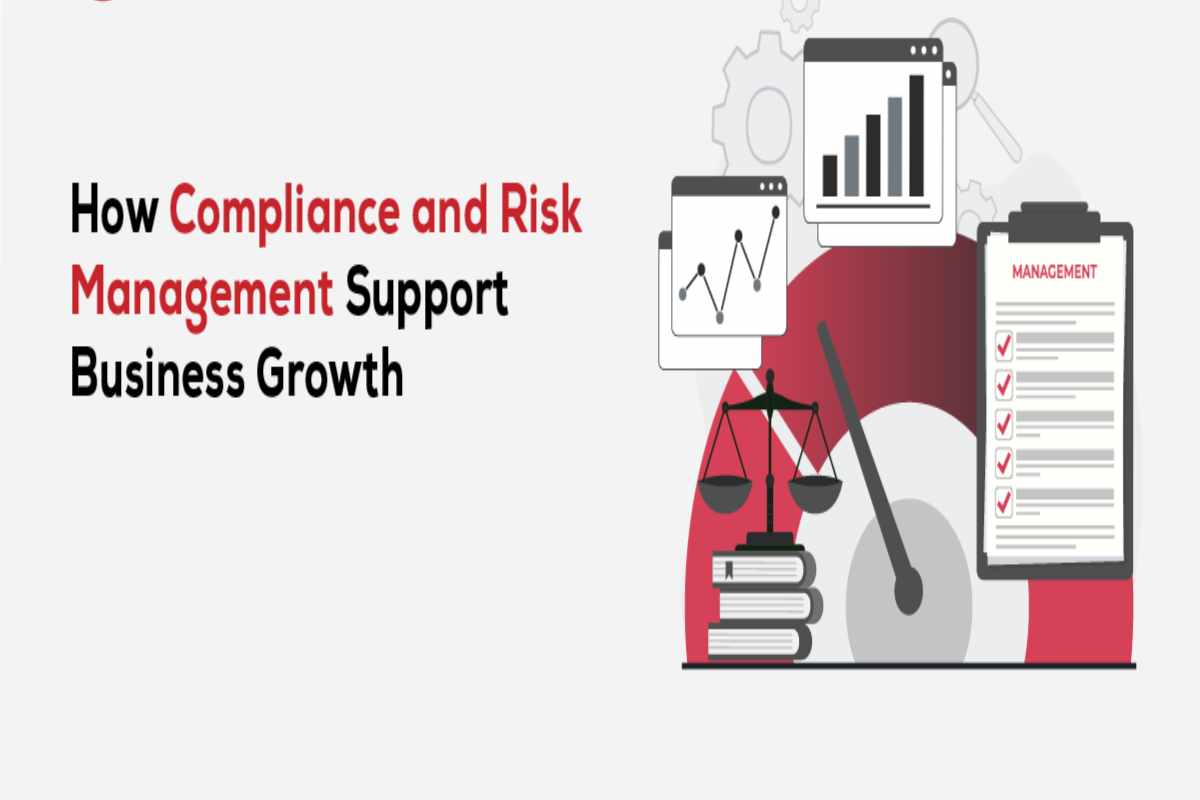
Business Legal, Compliance and Risk Management Guide—Being a business owner is more than selling goods and services. Every enterprise whether big or small faces the issues which need to be managed. Breach of some policy having a badly drafted contract, data leak, an issue in the work environment, or financial mismanagement may lead to serious consequences unless they are properly addressed.
That is why business legal, compliance and risk management should be viewed as the aspects of normal business processes rather than something occasional.
Legal management allows businesses to identify their obligations and interests. Compliance is about keeping to laws, rules, policies and standards and Compliance means staying within those limits. Risk management is, about finding dangers and doing things to cut them down and Risk management means protecting the company from harm.
The guide covers the essentials of business, compliance and risk management in clear and practical language of business.
What Is Business Legal Management?
This concept relates to recognizing and dealing with the legal obligations and rights of the organization.
According to the type of business and the location, it includes aspects such as:
- Business registration and licensing
- Contracts and agreements
- Employment obligations
- Consumer protection
- Tax obligations
- Data protection
- Health and safety requirements
- Dispute management
The legal obligations are country-, state-, industry-, and business-specific. Thus, legal obligations for a restaurant may be different from those of a software company.
The point of legal management does not mean making everyone who runs businesses learn how to work as lawyers. The idea is to be aware of legal obligations that can appear and to consult professional attorneys where needed.
What is Business Compliance?
Being compliant means following the relevant rules.
The rules may be legislative, regulatory, standards, contractual, internal organizational policy and professional guidelines.
For instance, there may be legal requirements of an organization in terms of its employees’ safety. The firm will develop internal procedures that will help the employees comply with these rules.
Compliance is not just filling up a file with papers. People should understand what is required from them and why these rules are important.
What Is Risk Management?
Risk management entails the identification of risks which can potentially affect a business entity and the actions needed for the situation.
It is impossible to eliminate all the risks in the business environment.
Nevertheless, organizations can minimize risks and respond more effectively.
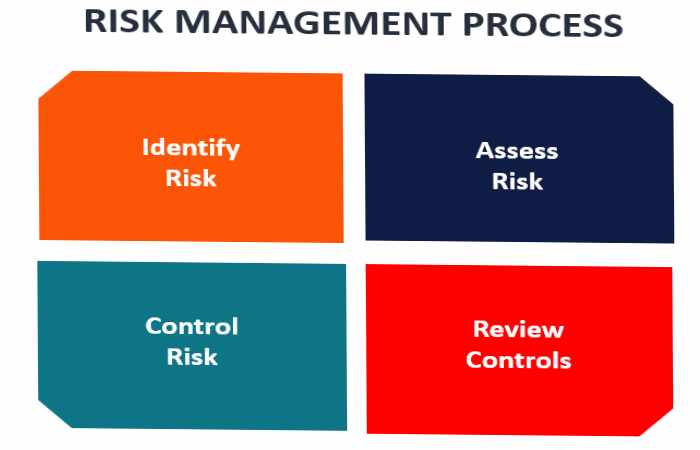
The typical process of risk management normally includes:
- Identifying risks.
- Assessing their likelihood and potential impact.
- Deciding how to manage them.
- Monitoring changes over time.
The Importance of Legal and Compliance Management
While Some business owners might think compliance management is a boring chore but skipping compliance management can cost a lot of money.
If you do not focus on compliance you might face fines or see your daily business tasks get stopped. You could also run into trouble lose the trust of your customers or hurt your reputation. Protection for the Business
Effective legal systems will help protect valuable assets for a business.
This includes having agreements in writing about responsibilities, as well as providing protection for intellectual property regarding the originality of a product, design, name, or content.
Without such legal systems, conflicts can become much harder to solve.
Establishing Customer Trust
It is natural that consumers and potential business partners will want to know whether a particular business acts in a responsible manner.
Those who manage their customers’ information wisely, do not mislead them, and fulfill all the contractual obligations have better chances of becoming trusted.
Helping with Decision-making
Before you make any decisions, you must think about the legal aspects.
You need to think about the aspects before you start working in a new market before you launch a new product before you collect more data, from customers or before you sign contracts.
It is often much cheaper to deal with a problem than to try to fix a problem after a fight starts.
Contracts
Contracts are vital as they outline the obligations of various parties involved. Common business agreements may involve:
- Customers
- Suppliers
- Employees
- Contractors
- Landlords
- Business partners
- Service providers
A strong agreement should clearly describe the important terms.
Important Contract Elements
Depending on the situation, agreements may address:
- Products or services being provided
- Prices and payment terms
- Delivery responsibilities
- Timeframes
- Confidentiality
- Intellectual property ownership
- Termination conditions
- Dispute resolution
It is not advisable to depend solely on oral agreements in commercial dealings.
Employment and Workplace Obligations
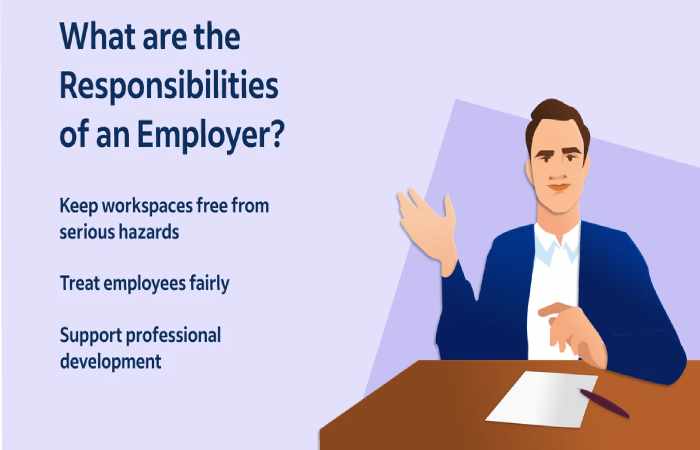
Companies that employ people have more obligations than those that do not employ people.
The obligations include issues such as recruitment, salary payment, working time, workplace health and safety, discrimination, harassment, leaves, and employee record keeping among others.
You should not create a workplace policy just to follow the rules.
Workers and managers really need to understand how the workplace policy works in life.
Intellectual Property
Intellectual property can be a good business asset.
It may include:
- Brand names
- Logos
- Product designs
- Original content
- Software
- Inventions
- Trade secrets
Data Privacy and Information Security
Business organizations receive lots of data from customers, employees, or suppliers.
Such data can include names, personal contact details, financial details, and business records.
Companies need to be aware of the type of information they hold, the reason for collecting the information, access rights to the information, and its retention period.
How to Build a Good Compliance Program
A compliance program does not have to be super hard or messy especially if you run a business. It is very important that everyone knows their jobs and that the rules are simple to follow.
Look for the rules that fit your job.
The first step is understanding which requirements apply to the business.
These may depend on:
- Business location
- Industry
- Number of employees
- Products or services
- Customer locations
- Type of information collected
Businesses should create a list of their important legal and regulatory obligations.
Create Clear Policies
Policies help employees understand expected behavior.
Common business policies may cover:
- Employee conduct
- Workplace safety
- Data security
- Conflicts of interest
- Anti-harassment
- Expense management
- Confidential information .
Provide Regular Training
Training is a part of compliance. Employees cannot be expected to follow requirements that employees do not understand. Training should be relevant, to each employees responsibilities. A warehouse employee may need compliance training from someone handling customer data or financial records.
Regular refresher training can also help employees remember procedures.
Monitor Compliance
Businesses should occasionally check whether their policies are actually being followed.
This may involve reviewing records conducting audits, checking documentation, or speaking with employees.
The goal is not always to point fingers. Checking on things should help spot spots before they grow into big issues.
Understanding Business Risk Management
Every business face risk. Some risks come from outside while others come from inside.
A simple risk management system helps businesses see where they might be weak.
Financial Risk
Financial risks may include:
- Cash flow problems
- Rising costs
- Customer payment delays
- Unexpected expenses
- Changes in interest rates
- Fraud
Businesses can lower some dangers by keeping an eye on cash flow controlling spending looking at how customers are given credit and having proper financial controls in place.
Operational Risk
- Operational Risk
- Equipment failure
- Production delays
- Employee mistakes
- Supplier problems
- Inventory shortages
- System failures
Clear processes, employee training, preventive maintenance and backup plans can help reduce risks. I think that when we focus on these practices we can keep risks low.
Legal and Regulatory Risk
I believe that legal risk occurs when a business does not meet an obligation or becomes involved in a dispute. Regulatory changes can also create responsibilities. I suggest that businesses review laws and requirements regularly especially when expanding into products or markets.
Cybersecurity Risk
Cybersecurity is a concern, for modern businesses. Cybersecurity risks can be caused due to phishing attacks, password theft, ransomware, security breaches and data leaks. There have been instances when the application of cybersecurity measures can actually assist in minimizing cybersecurity risks. Businesses should push for passwords proper access controls, regular software updates, data backups and employee awareness training.
Reputational Risk
Reputational risk can take years to build up. However reputational risk can be damaged quickly. Poor customer service can damage risk. Misleading marketing can damage risk. Workplace problems can damage risk. Privacy failures can damage risk. Product quality issues can damage risk. I truly believe a business should respond to complaints professionally and fix problems instead of just trying to look good, to the public.
The Risk Assessment Process
Step 1: Identify the Risk
Begin by asking what risk might happen.
For example,
a business may identify risk such as:
• A key supplier becoming unavailable
• A major customer failing to pay
• A cybersecurity incident
• Equipment failure
• Employee turnover
Employees belonging to various departments should be involved in the process as they are better placed to identify the risk than the managers.
Step 2: Probability and Impact Analysis
Look at two components: What is the probability that the risk will happen? What is the potential impact of the risk?
The risk which has low probability but high impact on the business needs to be prepared for.
Step 3: Decide How to Respond
There are generally some choices available for businesses to do.
Avoid the Risk
The company chooses to avoid the activity that involves the risk which is too great.
Reduce the Risk
The company implements some control measures, training and procedures to reduce the risk probability or impact.
Transfer the Risk
Some risks can be moved or shared using insurance or agreements in contracts.
This will happen when the organization recognizes that the risk they are managing is a manageable one and does nothing else but monitor it.
Step 4: Monitoring and Evaluation
Risks change over time a supplier that was financially stable the previous year might be under financial stress currently. A new technology may create cybersecurity concerns.
Risk assessments should therefore be reviewed regularly.
Legal, Compliance & Risk Management Common Problems
Compliance as a One-Time Event A business may create policies once and never review them again.
However, laws, technology, employees, and business operations can change.
Compliance should be reviewed regularly.
Ignoring Small Problems
Small issues can sometimes become larger risks.
A minor customer complaint may reveal a wider product problem. A small data security mistake may indicate weak internal controls.
Businesses should investigate recurring problems and look for the underlying cause.
Failing to Document Important Decisions
Good documentation can help businesses show what happened and why a decision was made. Documentation is a tool to explain actions.
Important records may include contracts, employee training, policy acknowledgments, risk assessments and incident reports. Records are vital for tracking.
Not Involving Employees
Employees play a role, in compliance and risk management. Employees help keep operations safe. Employees are often the people to notice safety issues, process failures, suspicious activity, or customer concerns. Companies should motivate their workers to voice their concerns through various channels.
Integration of Legal, Compliance and Risk Management
The ideal way to do it is to not have them be separate from one another.
Take an example of a company that plans to launch a customer app.
Legal will analyze privacy considerations. Compliance might devise procedures for processing customer data. Risk Management might analyze potential risks.
Collaboration could help to avoid potential issues in the future. This integrated approach is especially useful when business makes changes such as entering a new market launching a new product or adopting new technology.
Thoughts: Business practices, Compliance and Risk Management may not always feel exciting but Business Legal practices, Compliance and Risk Management are essential, for long‑term stability.
Strong Business Legal practices protect the business. Clarify responsibilities. Effective Compliance helps employees understand and follow requirements. Risk Management lets companies prepare for problems than only react after damage has happened.

Conclusion
Businesses do not need to create a system overnight. I suggest they can begin by identifying obligations and risks creating clear processes training employees and reviewing performance regularly.
Over time these practices can become part of the company’s way of working.
A successful business is not one that never faces risk or legal challenges. Every organization will face uncertainty. The difference lies in how the business understands its responsibilities prepare for possible problems and responds when challenges arise.
By treating management, compliance and risk management as connected parts of business strategy companies can protect their operations build trust and create a stronger foundation, for sustainable growth.