


Typical Home Warranty Plan: What It Covers and Why It’s Worth It
If you’ve ever had a major appliance or home system suddenly stop working, you know how stressful and expensive repairs can be. That’s where a typical home warranty plan comes in. It’s designed to protect homeowners from the unexpected costs of repairing or replacing key systems and appliances that break down over time.
In this article, I’ll explain what a typical home warranty plan includes, how it works, what it doesn’t cover, and whether it’s really worth the investment — all in simple, real-world terms.
What Is a Home Warranty Plan?
A home warranty plan is a service contract between you and a warranty company. It covers the repair or replacement of certain appliances and systems in your home when they fail due to normal wear and tear.
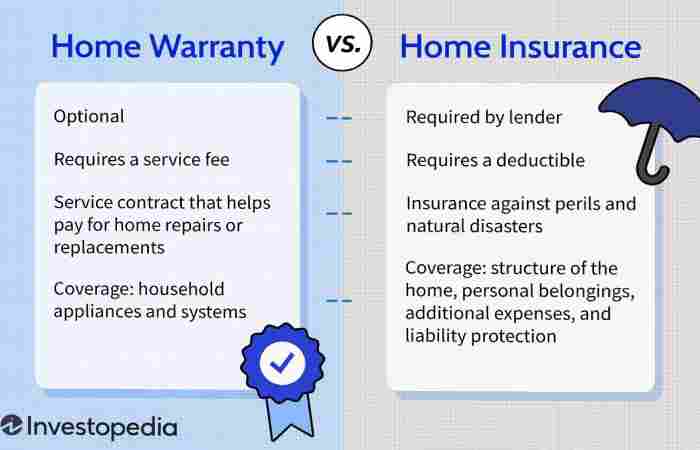
It’s different from homeowners insurance, which covers damages from unexpected events like fire, theft, or storms. A home warranty covers the things you use every day — like your air conditioner, refrigerator, or plumbing — when they break down.
How Does a Home Warranty Plan Work?
It’s pretty straightforward:
-
You choose a plan that fits your home’s needs (system-only, appliance-only, or a combo).
-
When something breaks, you file a claim with your warranty provider.
-
The company sends a qualified technician to inspect the issue.
-
You pay a service call fee (usually $75–$125 per visit).
-
The warranty company pays for the repair or replacement if it’s covered under your plan.
Think of it as a safety net — you pay a little each month to avoid paying a lot when something big goes wrong.
What Does a Typical Home Warranty Plan Cover?
Coverage varies by company, but most standard home warranty plans include the essentials that keep your home running smoothly.
1. Major Home Systems
A typical home warranty covers core systems that make your home functional:
-
HVAC system (heating and cooling)
-
Electrical system (wiring, panels, switches)
-
Plumbing system (pipes, leaks, faucets, toilets)
-
Water heater
-
Ductwork
These systems are expensive to repair or replace, making this coverage especially valuable.
2. Kitchen Appliances
Most home warranty plans cover:
-
Refrigerator (including ice maker)
-
Oven, stove, or cooktop
-
Dishwasher
-
Built-in microwave
-
Garbage disposal
Example: If your fridge suddenly stops cooling, your home warranty company sends a technician to fix or replace it — and you only pay the service call fee.
3. Laundry Appliances
-
Clothes washer
-
Clothes dryer
Some entry-level plans exclude these, but combo or premium plans usually include both.
4. Optional Add-ons
You can customize a typical home warranty plan by adding coverage for:
-
Pool and spa equipment
-
Septic systems
-
Roof leaks
-
Well pumps
-
Stand-alone freezers
-
Second refrigerator
These add-ons are great for larger homes or properties with special features.
What’s Not Covered Under a Home Warranty Plan
Even the best plans have limits. A typical home warranty plan doesn’t cover:
-
Pre-existing issues or damage before coverage starts
-
Improperly installed or maintained systems
-
Cosmetic issues (like dents, paint, or broken knobs)
-
Structural components (walls, windows, roofs, flooring)
-
Non-mechanical parts
Also, there are coverage caps — most plans pay up to a certain dollar amount per item or per contract term.
How Much Does a Typical Home Warranty Plan Cost?
Prices vary depending on coverage level and location, but here’s a general idea:
-
Basic plan: $350–$500 per year
-
Comprehensive plan: $600–$800 per year
-
Service call fee: $75–$125 per claim
Some providers offer monthly payment options (around $40–$70/month).
Tip: Always read the fine print. Some companies charge extra for upgrades or high-end appliances.
Benefits of Having a Home Warranty Plan
1. Peace of Mind
You don’t have to stress over unexpected repair costs.
2. Budget Protection
Instead of paying thousands for a broken AC, you pay a small service fee.
3. Convenience
The warranty company handles finding and scheduling technicians for you.
4. Added Home Value
If you’re selling your home, offering a home warranty can make it more appealing to buyers.
5. One Call Fixes It All
Whether it’s a broken dishwasher or an electrical issue, you call one number — no searching for contractors.
Potential Downsides to Watch Out For
While home warranty plans are helpful, they’re not perfect. Here are a few things to keep in mind:
-
Coverage exclusions: Not everything is covered — always check your contract.
-
Service delays: Some companies take days to send a technician.
-
Denials due to maintenance issues: If the company claims your appliance wasn’t properly maintained, they might reject the claim.
-
Limited payouts: There’s usually a cap on repair or replacement costs.
Pro Tip: Read reviews, compare plans, and ask about coverage caps before signing up.
How to Choose the Right Home Warranty Plan
Here’s how to make sure you pick a plan that actually helps you:
1. Assess Your Home’s Age and Needs
Older homes with aging systems benefit most from comprehensive plans.
2. Compare Providers
Look at companies like:
-
American Home Shield
-
Choice Home Warranty
-
First American Home Warranty
-
Liberty Home Guard
3. Read the Fine Print
Understand what’s covered, what’s not, and what service fees apply.
4. Check Customer Reviews
Real experiences matter more than flashy marketing.
5. Ask About Customization
Some providers let you add or remove coverage options to fit your budget.
Who Needs a Home Warranty Plan?
A typical home warranty plan is ideal for:
-
First-time homeowners who don’t have trusted repair contacts.
-
Owners of older homes where systems are more likely to fail.
-
Landlords who manage rental properties.
-
Home sellers who want to make their listing more attractive.
Even if your home is new, a warranty can cover what your builder’s warranty doesn’t — like appliances.
Are Home Warranties Worth It?
That depends on your situation. If your home’s systems and appliances are aging, a home warranty can save you thousands in surprise costs. But if you have newer equipment or prefer handling repairs yourself, it might not be as valuable.
For most homeowners, the peace of mind alone is worth the cost — especially when one big repair can exceed the price of an annual plan.
Final Thoughts
A typical home warranty plan offers protection, convenience, and financial security for homeowners who don’t want to deal with the stress of unexpected repairs. It’s not perfect, but when chosen carefully, it can be a real lifesaver.
Whether you’re buying a new home, managing a rental, or just want extra protection for your appliances and systems, a home warranty plan can help you rest easier knowing you’re covered when life happens.