


Important Economic Definitions
Economics can be defined as the study of how human beings, companies, and the government choose to make decisions about allocating scarce resources in order to fulfill their unlimited needs and wants. It tells us how the goods and services are produced, distributed, and consumed. It also explains how various factors affect inflation and employment and how they impact the growth of economies and international trade. We all should pay attention to economics, as those concepts can help us in our professional and private lives. We need to understand fundamental definitions and know them in order to make informed decisions in business and finance.
Economic principles play an important role in our lives since they can affect the prices of the products we buy, salaries and wages, investments, and the way how the government operates. Understanding economic definitions will help individuals analyze the situation in the economy and interpret economic texts properly.

What Do We Know About Economics?
Economics is recognized as a social science that examines how individuals and organizations utilize limited resources for the manufacturing and delivery of products and services. The discipline aims to use a better understanding of choices and trade-offs to enhance the overall well-being of individuals or groups.
Economics is classified into two categories. Microeconomics considers the decisions taken by enterprises and consumers. Macroeconomics instead concentrates on the national income, inflation, unemployment, economic growth, etc.
Scarcity
It is a theory which teaches us that there is not enough resources to satisfy the unlimited wants of consumers. Because of this insufficient number of goods and inputs people and organizations have to think of how to distribute them.
Scarcity relates to economies of any stage of advancement. The present economic situation forces people, organizations, and the government to prioritize their wants and needs inside of the particular economy.
Opportunity Cost
Opportunity cost is considered as the value of the next best alternative available when one choice is made. In other words, opportunity cost refers to the benefits related to one option of the choice not chosen in this decision. When individuals and organizations comprehend the concept of opportunity cost, they can make improved financial and strategic decisions.
How Important is Economics?
Economics provides valuable information for individuals, businesses, and governments with regard to:
- The effective use of resources
- Studying consumer behaviour
- Keeping costs and prices for goods and services in check
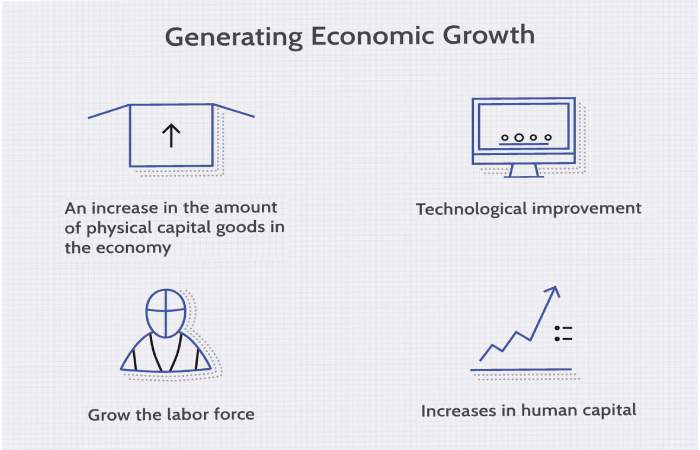
- Encouraging economic growth
- Minimizing risks
- Get better returns on investments
- Formulating effective policies
- Promoting sustainable development
Essential Features of Economics
Economics is founded on few major principles.
- The resources are limited, while human needs are unlimited.
- Each decision implies a sacrifice.
- Market prices are determined by supply and demand.
- The resources are allocated in the market through competition.
- Government policies have an impact on business and consumers.
- Productivity plays a significant role in economic growth.
Causes of Demand Changes
Consumer demand can fluctuate as a result of various factors.
- Income level
- Consumer preferences
- Prices
- Prices of substitutes and complements
- Population size
- Seasonality in consumption
- Advertising
- Consumer expectations
Factors That Affect Supply
Businesses adjust supply based on different market conditions, such as:
- Production costs
- Availability of raw materials
- Technological advancements
- Government taxes and subsidies
- Market competition
- Weather conditions
- Labor availability
- Business expectations
The Advantages of Learning Economic Principles
Knowing the field of economics comes with various benefits:
- Improves financial literacy
- Supports better business decisions
- Enhances budgeting skills
- Helps interpret economic news
- Strengthens investment knowledge
- Encourages strategic thinking
- Builds a foundation for entrepreneurship
- Improves career opportunities
Common Applications of Economics
- Business planning
- Pricing strategies
- Marketing decisions
- Investment analysis
- Government policy development
- International trade
- Household budgeting
- Resource allocation
Price equilibrium
Price equilibrium refers to the situation when the quantity of products supplied by the manufacturers equals the quantity of products demanded by the consumers. At this level, there are no excess demands or excess supplies in the market.
Equilibrium ensures efficient allocation of resources and stable market conditions.
Inflation
Inflation is referred to as the ongoing rise of the goods and services’ prices within any economic system. Increasing inflation leads to falling of the purchasing power of the money and, hence, people’s ability to acquire goods and services.
Although moderate inflation is considered to be normal for growing economy, high inflation may cause a decline in consumer trust and instability in the economy.
GDP or Gross Domestic
Product is defined as the aggregated monetary value for final goods and services that is created within a country over a defined time period which is typically one year.
GDP is widely used as a key economic measure and decreases in GDP are a clear sign of economic recession.
GNP or Gross National
Product is calculated by taking the economic output of all the people living in a country, regardless of whether those people produce goods and services in the domestic country or abroad.
In contrast with GDP estimates, the GNP indicates the income received by citizens from abroad and excludes the domestic income of foreign companies.
In economics
factors of production refer to the resources needed by individuals to produce goods and services. The factors of production are defined as:
- Land: natural resources utilized in producing goods and services.
- Labor: human resources that include efforts and skills of people.
- Capital: machinery, tools, factory buildings or other production equipment including finances.
- Entrepreneurship: the ability to take risks to produce economic outcomes.
Productivity
is a measure of how effectively resources are used to yield products and services. Enhanced productivity enables organizations to yield higher productivity using the same amount of resources, leading to growth in profits and the economy.
Conclusion
Economics offers insight into how people and organizations use limited resources. Whether it is notions such as scarcity, opportunity cost, supply, demand, or macroeconomic information such as inflation, GDP, economic growth and market systems, these are the basis of economics. By understanding the above-mentioned data, it enables individuals to comprehend their decisions regarding economics.