


Why Drug Testing is Important in Workplaces
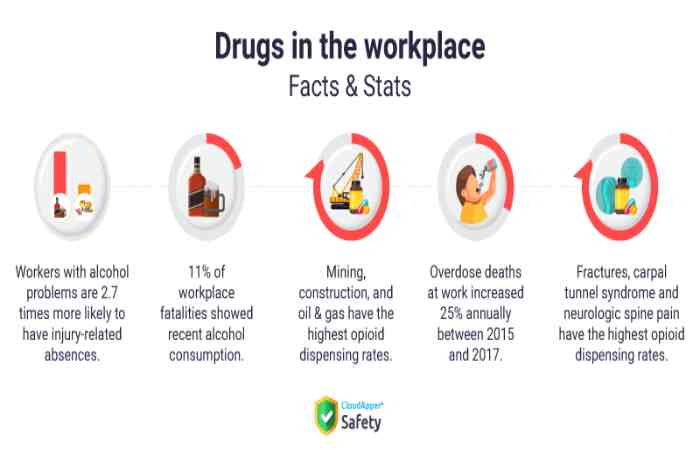
Workplaces today aren’t just about productivity and deadlines — they’re about safety, trust, and accountability. One major factor that helps maintain these values is workplace drug testing. While some may see it as an invasion of privacy, the truth is, when done right, drug testing protects employees, reduces risks, and ensures a healthy work environment.
In this article, we’ll break down why drug testing is important in workplaces, its benefits, the legal and ethical sides, and how companies can implement it responsibly.
Understanding Drug Testing in the Workplace
What Is Workplace Drug Testing?
Workplace drug testing is a process employers use to detect the presence of illegal or prescription drugs in an employee’s system. It’s typically done through urine, saliva, hair, or blood samples.
The purpose isn’t to punish employees — it’s to promote safety, compliance, and a professional culture where everyone can perform at their best.
Why It’s Gaining Importance
With rising substance abuse and mental health challenges, companies are realizing that drug use can have serious implications for workplace safety, performance, and morale. Drug testing is now seen as a preventive and protective measure rather than a punitive one.
The Impact of Substance Abuse on the Workplace
Before understanding the role of testing, let’s look at how substance abuse can affect a business environment.
1. Reduced Productivity
Employees under the influence may have difficulty focusing, leading to lower efficiency and errors. Even mild hangovers can affect decision-making and output.
2. Higher Accident Rates
In industries like construction, manufacturing, logistics, or transportation, drug or alcohol impairment can cause serious accidents — sometimes fatal.
3. Increased Absenteeism and Turnover
Substance abuse often leads to missed workdays and higher job turnover, which affects the overall workflow and increases hiring costs.
4. Damage to Reputation
An unsafe or undisciplined workplace can hurt a company’s reputation, discouraging both clients and talented professionals.
5. Legal and Financial Liabilities
Employers can face lawsuits, insurance issues, and compliance penalties if workplace accidents occur due to drug-related negligence.
Why Drug Testing Is Important in Workplaces
Now let’s explore the main reasons why implementing a workplace drug testing policy is so crucial in 2025 and beyond.
1. Ensuring Workplace Safety
The most important reason for drug testing is safety. Impaired employees are more likely to cause accidents, injuries, or costly mistakes.
By identifying issues early, companies can prevent dangerous incidents — protecting not just the employee involved but everyone around them.
Industries like aviation, healthcare, construction, and transportation especially rely on drug testing because even a single lapse in attention can have devastating consequences.
2. Promoting Employee Health and Well-being
Drug testing isn’t about punishment; it’s about awareness. Detecting substance use allows companies to offer support programs, counseling, or rehabilitation before things escalate.
This approach helps employees recover and return to work stronger — building a compassionate yet responsible workplace culture.
3. Maintaining Productivity and Performance
Substance abuse leads to fatigue, absenteeism, and poor work quality. Regular testing ensures employees remain alert and capable, which in turn boosts productivity and reduces downtime.
Companies with proactive drug testing policies often report fewer disciplinary cases and higher morale.
4. Building Trust and Accountability
When employees know that drug testing is part of company policy, it builds a sense of accountability. It reinforces that everyone is expected to maintain professionalism and integrity.
It also builds trust between management and employees, as everyone knows they’re working in a safe and fair environment.
5. Reducing Legal Liabilities
In many industries, drug testing is legally required — especially in safety-sensitive roles. For example, in the U.S., the Department of Transportation (DOT) mandates drug and alcohol testing for workers in aviation, trucking, rail, and pipeline sectors.
Failing to comply can result in heavy fines, lawsuits, or even loss of contracts. Conducting regular testing helps companies stay compliant with local, state, and federal regulations.
6. Protecting Company Reputation
A company known for strict safety and ethical standards gains more credibility with clients, partners, and the public.
On the other hand, news of workplace incidents involving drugs can severely damage brand reputation. A transparent drug testing policy signals that the company prioritizes safety and responsibility.
Types of Workplace Drug Testing
Different organizations use various methods depending on their size, industry, and policy.
1. Pre-Employment Testing
This is done before hiring to ensure candidates are fit for the role. It helps prevent future issues and ensures that the company starts with a clean slate.
2. Random Drug Testing
Employees are tested at random intervals, without notice. This keeps everyone accountable and discourages drug use.
3. Post-Accident Testing
If an accident or injury occurs, testing is conducted to determine whether drugs or alcohol played a role.
4. Reasonable Suspicion Testing
If a manager or supervisor observes erratic behavior or poor performance that suggests substance use, they can request testing.
5. Return-to-Duty Testing
After rehabilitation or suspension, employees may undergo testing before returning to work to confirm they’re drug-free.
6. Periodic or Annual Testing
Scheduled at specific intervals, such as once or twice a year, to maintain consistency and compliance.
Legal and Ethical Considerations
Drug testing must always balance company interests with employee rights.
1. Privacy Protection
Employees must be informed about testing policies, procedures, and their rights. Confidentiality of test results is crucial to prevent discrimination or stigma.
2. Informed Consent
Employees should provide written consent before testing. Testing without consent can lead to legal issues.
3. Compliance With Local Laws
Different regions have different laws regarding workplace drug testing. For example, some states in the U.S. restrict random testing unless safety-sensitive roles are involved.
4. Non-Discrimination
Testing should apply equally to all employees — regardless of rank, gender, or background — to avoid claims of bias.
5. Support Over Punishment
Instead of firing employees immediately, companies should offer rehabilitation opportunities where possible. The goal is to promote recovery, not fear.
How to Implement a Successful Drug Testing Policy
Implementing drug testing requires careful planning and communication.
Step 1: Define Clear Objectives
Decide whether your goal is safety compliance, risk prevention, or overall wellness.
Step 2: Develop a Written Policy
Include:
-
Purpose of testing
-
When and how testing occurs
-
Disciplinary and rehabilitation options
-
Employee rights and confidentiality clauses
Step 3: Communicate the Policy Clearly
Educate employees during onboarding and hold Q&A sessions. Transparency prevents misunderstanding.
Step 4: Partner With a Certified Testing Provider
Work with licensed laboratories that maintain accuracy, chain-of-custody, and confidentiality standards.
Step 5: Train Supervisors
Managers should be trained to spot warning signs of substance use and handle testing procedures appropriately.
Step 6: Ensure Fairness
Apply the same policy to all employees and maintain an appeals process for disputed results.
Step 7: Review and Update Regularly
Keep your policy updated with changing labor laws, testing technologies, and best practices.
Benefits of a Drug-Free Workplace
Companies that commit to maintaining a drug-free environment often experience measurable improvements.
Tangible Benefits:
-
Fewer workplace accidents
-
Lower absenteeism rates
-
Reduced workers’ compensation claims
-
Higher employee retention
-
Improved focus and teamwork
-
Better customer satisfaction
Intangible Benefits:
-
Stronger trust within teams
-
A culture of accountability
-
Positive brand image
-
Greater investor confidence
When employees know their company prioritizes safety and well-being, it naturally leads to a more motivated and engaged workforce.
Common Myths About Workplace Drug Testing
Myth 1: “Drug testing violates privacy.”
Fact: When conducted with consent and confidentiality, drug testing respects privacy while promoting safety.
Myth 2: “It’s only for blue-collar jobs.”
Fact: Substance abuse can affect any profession — from office workers to executives. Drug testing applies to all industries.
Myth 3: “Testing destroys trust.”
Fact: On the contrary, it fosters mutual accountability. Employees feel safer knowing everyone is held to the same standards.
Myth 4: “It’s too expensive.”
Fact: The cost of testing is minimal compared to potential losses from accidents, lawsuits, or productivity dips.
The Future of Drug Testing in the Workplace
As we move further into 2025 and beyond, technology is reshaping workplace drug testing.
AI and Data Analytics
AI can help HR teams predict high-risk behavior patterns, allowing for proactive intervention.
Oral Fluid Testing
This non-invasive method offers faster results and greater accuracy, making it ideal for modern workplaces.
Wellness-Oriented Policies
The focus is shifting from punishment to support — integrating testing with employee assistance programs (EAPs) and mental health initiatives.
Final Thoughts
So, why is drug testing important in workplaces? Because it protects lives, ensures fairness, and promotes a culture of trust and accountability.
A well-implemented drug testing policy is not about controlling employees — it’s about creating a safe, healthy, and productive environment where everyone can thrive.
By blending compliance, compassion, and consistency, companies can achieve a drug-free workplace that benefits both the organization and its people.