

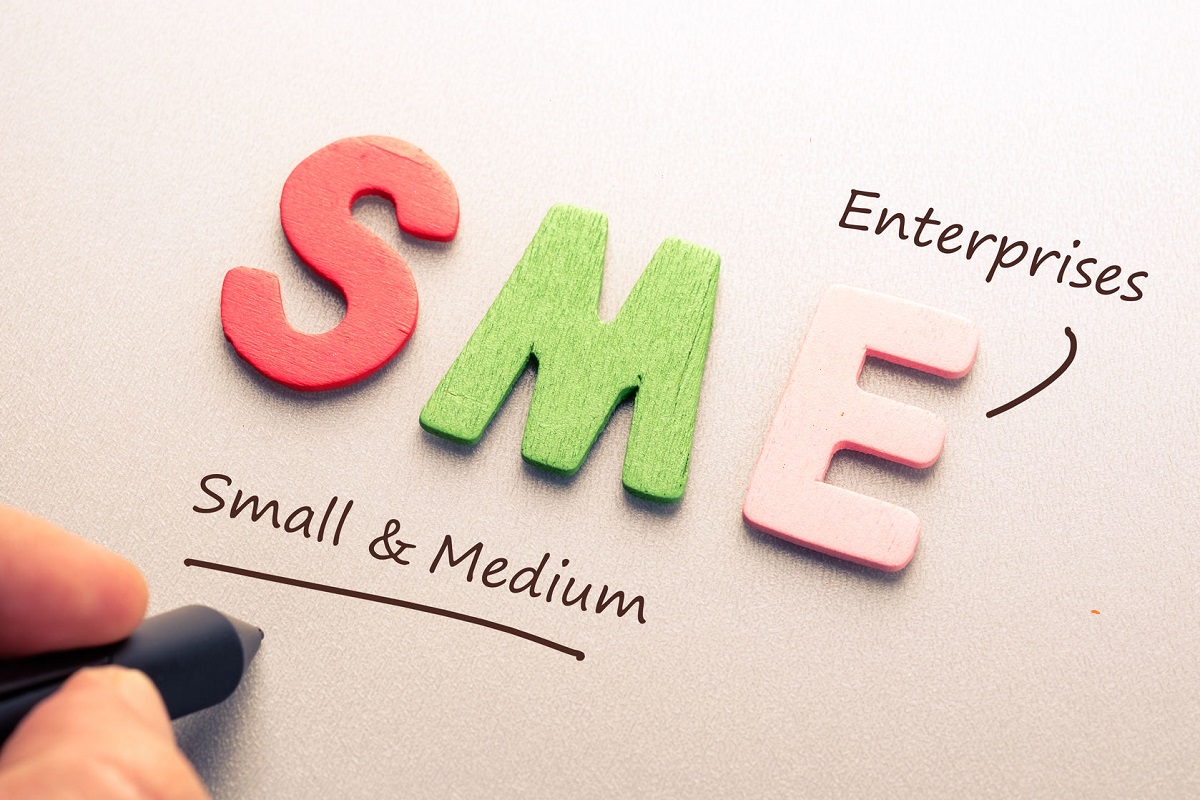
What Are the Main Features of an SME?
The term SME refers to an enterprise which operates on a smaller scale as compared to big enterprises. The size of the SME depends upon the number of employees, investment amounts, turnover, etc. The criterion may vary from one country to another as the definition of the SME varies from one country to another. A micro business represents an even smaller type of enterprise and is often operated by one person or a small team with limited resources.
An SME normally has a very simple management structure whereby the owners/managers are involved in day-to-day activities, making it easy to adapt to changes in customers’ needs and market conditions.
Advantages of SMEs
SMEs can give more flexibility to both the owner(s) and employees. The SME’s small workforce can facilitate easy communication as well as build a closer relationship with customers. It is also possible for an SME to target specific local markets or niche markets that is overlooked by the large companies.
The digital era has facilitated the marketing of products, communication with customers, receiving online payments, and managing operations in a business using social media, websites, cloud-based software, and online markets.
Pyme is the acronym for small and medium enterprises (SME). This is the company commercial, industrial, or other type having a few workers and recording a moderate-income number.
Pyme is also often written as SMEs. A related term is MSMEs, the acronym for micro, small, and medium enterprises, taking into account the modalities of smaller companies such as sole proprietorship.

The definition of SMEs varies by country. In Argentina, for example, companies are classified according to their annual sales and their category (an industrial SME may have a volume of turnover that, in another economic sector, would place it among the largest volume).
In other countries, the concept of SMEs is associated with the number of employees. Between 1 and ten employees, we talk about micro enterprise; between 11 and 50 of SMEs. These figures may vary according to the region.
SMEs have specific needs that must be met by the State. This type of company generates, together, great wealth for each country as well as being one of the main engines of employment. However, due to their particularities, they need protection and incentives to compete against large corporations.
Lines of credit with special conditions, tax benefits, and free consulting are some of the instruments that are usually offered by the State to SMEs to develop.
Difficulties Faced by SMEs
Being an SME owner can also be associated with some challenges. These might include a lack of financing, high operating costs, competition, difficulties in recruiting employees, and changing customer needs. Cash flow management becomes crucial since any unexpected expense or late payment from the customer will create problems for a small enterprise.
There are several solutions that business owners can use to cope with challenges. These include proper record-keeping, controlling costs, knowing the target audience, and using technology in operations.
Real-Life SME Example
For instance, an SME furniture manufacturer could have a local workforce, sell products via a physical store and an e-commerce website. With growing demand, the company can invest in additional machinery, extend the range of its products and get into touch with customers in different locations, staying a small company at the same time. Another possible growth option for an established SME is a franchise business model, which can allow the business to expand through independently operated locations while following an established brand and operating system.
Advantages of SME:
- SME’s present more flexibility than conventional companies in the production system.
- Allow establishing a much closer relationship with customers.
- Thanks to the greater simplicity of its infrastructure, it’s easier to change the niche market (space where potential users or consumers of a service or product are).
- Jobs are broader, less strict, and workers are more open to change.
- The highest level of specific knowledge and know-how, which is given thanks to the closeness of the members with the day to day of the company, can become an important advantage over the competition.
- The time it takes to make strategic decisions can be considerably less, given that the management processes are less complex.
- Present a less strict vision, more focused on the needs and demands of customers (always changing) than in their roots, which leads to important structural changes, adopting the necessary technologies and personnel to face the challenges that they present themselves at each step.
Disadvantages of SME:
- Since they move by processes of emergent type, they do not have specific guidelines related to their creation, but they experience constant changes and evolution.
- Do not enjoy significant financial support, which prevents them from embarking on large-scale businesses.
- They require a constant revision of their structure, given that their adaptive nature can become the reason for their dissolution due to the loss of organizational control.
- The greater closeness among workers can be negative if they transfer their problems to the office.
- Usually there is no strict control of the entry and exit of money.
- The reduced production volume is reflected in the number of orders placed with suppliers, which can lead to cost overruns.
- If an effective and constant publicity campaign is not carried out, the company can go unnoticed by consumers.
SMEs and Economic Growth
SMEs have a major influence on job creation and economic growth through innovation, productivity, and economic activity. In India, the Indian government looks at the investment amount and annual turnover to decide the MSME classification effective from April 1, 2025.
On the whole, SMEs form an important part of the business environment. By planning their finances correctly, adopting customer-oriented policies, and employing technology, SMEs can build their sustainable businesses. Many SME owners also rely on entrepreneurship to identify opportunities, develop new ideas, and build their businesses over time.
Conclusion
In summary, SME, which stands for Small and Medium sized Enterprises, denotes an important part of the business world, where enterprises have small sizes either in terms of number of employees, turnover, or in terms of assets. Such enterprises play an important role in the development of the economy and the creation of innovations and employment in different parts of the world. They have flexibility, adaptability, and a certain tendency towards entrepreneurship. Various governments and bodies that assist businesses usually focus on SMEs and provide them with help to survive and be successful.