

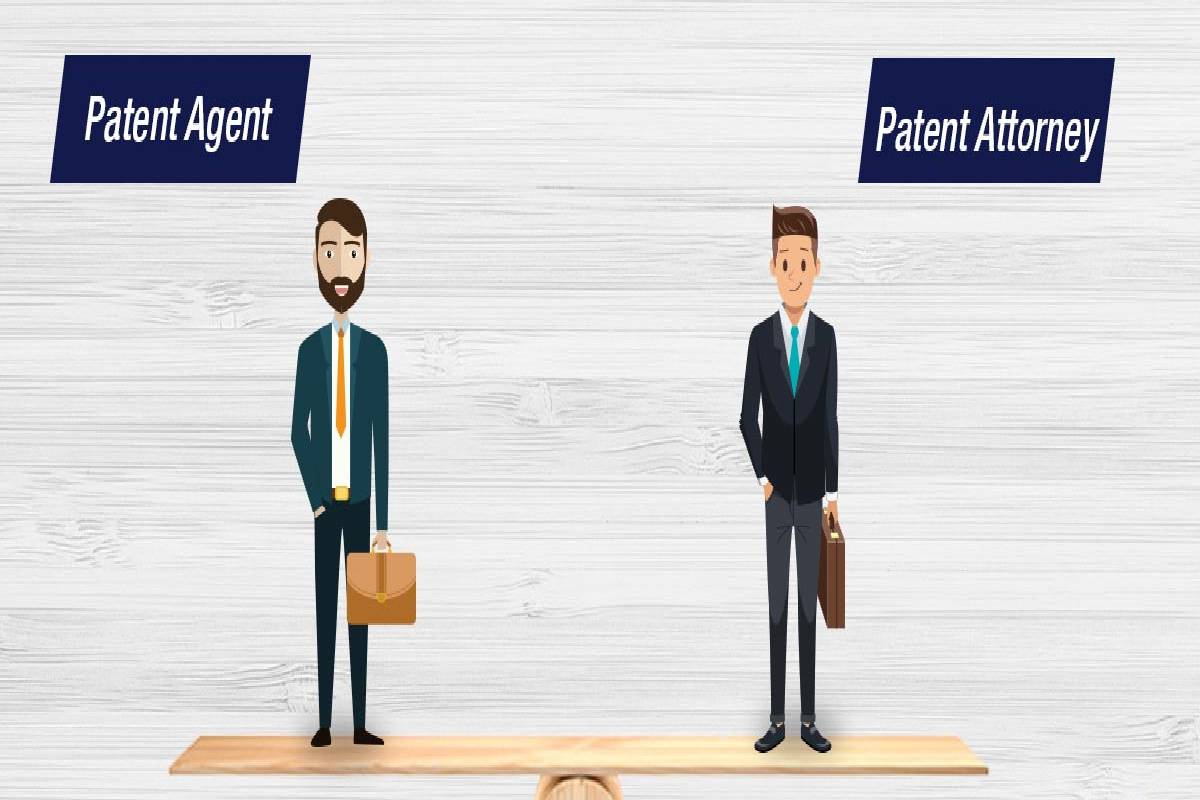
Patent Attorney Definition
Patent Attorney is a patent and intellectual property specialist. Patents also deal in areas such as trademarks, design rights, and copyright laws.
Mostly, they are legal agents who act for clients like creators or companies to help them obtain a patent, deal with patent infringement, or get legal advice
Patent attorneys use their specialist knowledge to advise the client on the likelihood of getting a patent or lead the process of applying for and securing a patent. Intellectual property can also be relevant to companies developing new technologies and financial products, including investment-related businesses such as ACFOX.
They will spend much of their time renewing or enforcing existing trademarks, patents, or copyright. They might also be involved in the transfer or sale of patents. Businesses dealing with intellectual property may also work with commercial products and services where protections such as a warranty can define certain responsibilities and customer assurances.
When an invention is developed for commercial use, understanding what a product is can also help businesses consider how the innovation will be positioned and delivered to customers.
Patent Attorney is a select crew: there are only around 1,500 patent attorneys in the UK. That’s in comparison to 120,000 solicitors in England and Wales and 15,000 barristers.
Where do patent attorneys work?
- The natural habitat of a patent attorney is a specialist patent attorney firm. Alternatively, they might employ in the IP or patent departments of large companies as in-house patent attorneys. Large companies also need effective resource management to allocate skilled employees, budgets, technology, and other resources across their legal and business operations.
Around 80% of patent attorneys found in private practices. Patent firms handling multiple cases can also use project and workflow platforms, including a Smart Sheet alternative, to organize deadlines, documents, tasks, and team responsibilities. - Around half of the trainees based in and around London, while a further fifth work in the South and the South East. The rest spread across England and Scotland.
How do you train as a patent attorney?
- Most patent attorneys train on the job. Trainees will supplement their on-the-job learning with independent study and, perhaps, external training courses. As digital research becomes increasingly important, professionals may also work with platforms such as Search Atlas to research online information and understand how digital visibility and search data work.
- The training process is similar to other chartered professions. Trainee attorneys will need to pass several examinations if they want to become a Chartered Patent Attorney. The qualification usually takes around four to five years.
How much do they get paid?
Their salaries aren’t inadequate at all. Trainees start with salaries between £24,000 and £33,000 a year.
- Salaries significantly increase on qualification, with newly qualified attorneys usually receiving around £50,000 to £60,000 per annum. Comparing salaries, costs, and other financial figures can also be made easier by using appropriate ratios to understand relationships between different values.
- At the top of the game, partners in these firms might receive a handsome £80,000 to £300,000+ a year.
- In comparison, heads of IP departments in specific industries might earn around £100,000 to £250,000+. All in all, a very well paid career indeed. For businesses and individuals, professional legal services can represent an important purchase when specialist expertise is needed to protect valuable intellectual property.
How hard is it to become a patent attorney?
- The high salaries reflect the specialist skills needed to succeed. It’s a small profession, so there are relatively few trainee positions every year.
- Once a trainee position gained, it usually takes about four or five years to qualify as a Chartered Patent Attorney. That extra study means a lot of hard work.
- They need to understand the patent to create a proper description and definition of the invention, as well as follow and develop complex technical arguments.
- Most patent attorneys will have a good degree in a science or engineering subject, such as chemistry, mathematics, physics, engineering, or electrical engineering.