
What Is a Purchase? Real Meaning in Marketing, Examples, and How It Actually Drives Business Revenue
Introduction
If you search “what is purchase,” most websites will give you a one-line definition like “purchase means buying something.”
That’s technically correct—but completely useless if you’re trying to understand business or marketing.
Because in the real world, a purchase is not just a transaction.
It is the time when it all comes together—marketing, trust, decision-making, timing, and value.
And if you’re running a business (or even planning to), this is the one moment that matters more than anything else.
Because:
- Traffic doesn’t pay you
- Leads don’t pay you
- Clicks don’t pay you
Purchases do.
In this guide, I’ll break down what a purchase really means in business and marketing, how it fits into the customer journey, and why most people misunderstand it.
What Is a Purchase (Real Meaning, Not Textbook)
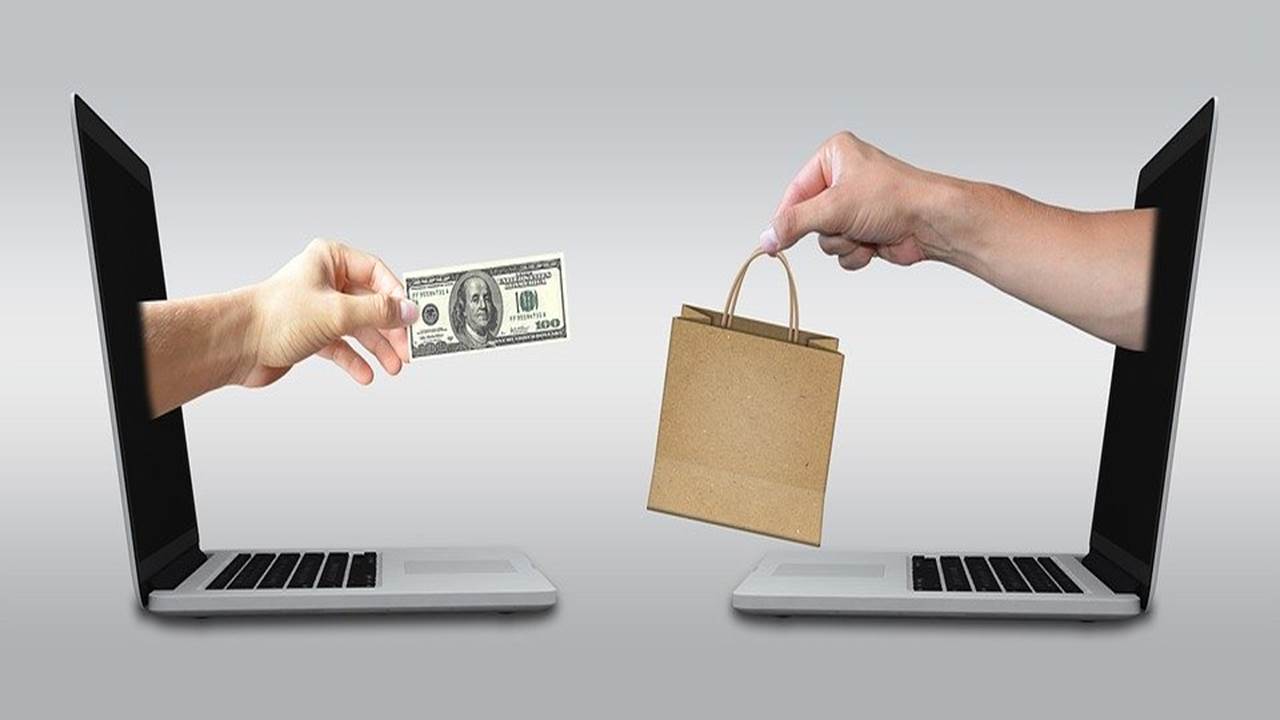
At its simplest level, a purchase is the act of buying a product or service by exchanging money or value. To understand the transaction more clearly, it also helps to know what a product is and how products create value for customers.
But in marketing, it means something much deeper.
A purchase is:
- The final decision after evaluation
- The conversion point in the marketing funnel
- The moment where interest turns into revenue
Just imagine it:
The sale is where your marketing efforts will either succeed or fail.
You may have ads, you may have the content, you may have the website built, but without a sale, it doesn’t matter.
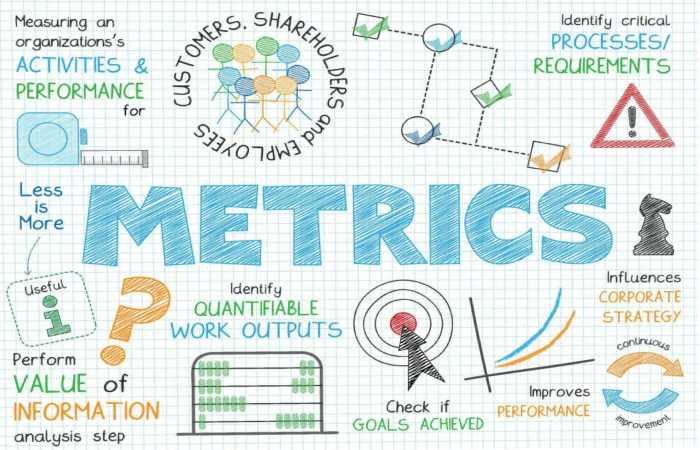
Why Purchase Is the Most Important Metric in Business
Most beginners focus on:
- Traffic
- Followers
- Engagement
But experienced businesses focus on one thing:
Conversions — especially purchases.
In digital marketing, a purchase is considered the ultimate goal because it shows that your strategy is actually generating revenue.
Let’s break this down clearly:
Metric What It Means Why It Matters Traffic People visiting your site Awareness Leads Interested users Opportunity Purchase Paying customers Revenue Only one of these directly grows your business. Businesses can also compare performance using different ratios to understand how efficiently revenue and other business resources are being generated.
The Purchase in the Marketing Funnel
To really understand purchase, you need to see where it fits.
Every customer goes through a journey:
- Awareness
- Interest
- Consideration
- Decision
- Purchase
This is often called the purchase funnel.
The purchase happens at the end—but it’s influenced by everything before it. Managing each stage effectively requires careful resource management, from marketing efforts and customer support to inventory and sales operations.
And here’s something important:
Buying does not mark the end but rather the start of the customer experience.
This is the reason why astute organizations do not just concentrate on the transaction but what comes afterwards.
Real Life Example: What Happens in a Purchase Transaction
Let us consider an example:
Situation: Purchase of a Smartphone
The sequence of events is as follows:
- You realize your phone is outdated
- You search online for options. Businesses can use modern search and marketing tools such as Search Atlas to better understand online visibility and reach customers during this research stage.
- You compare features and prices
- You watch reviews
- You shortlist models
- You finally buy one
That final step is the purchase.
But notice something:
The purchase didn’t happen instantly.
It was the result of:
- Research
- Comparison
- Trust
- Timing
That’s how real buying decisions work.
Types of Purchases (Most People Ignore This)
Not all purchases are the same.
Understanding this can completely change your marketing strategy.
1. Impulse Purchase
- Quick decision
- No deep thinking
- Usually low-cost
Example:
Buying a snack or small online item.2. Considered Purchase
- Requires research
- Involves comparison
- Higher risk or cost
Example:
Buying a phone, laptop, or courseThese purchases often involve reading reviews and evaluating options before buying.
3. Habitual Purchase
- Done regularly
- Minimal thinking
Example:
Groceries, daily essentials4. B2B Purchase (Business Purchase)
- More complex
- Involves multiple decision-makers
- Requires negotiation
Example:
Company buying software or machinerySome business purchases may also involve intellectual property considerations, particularly when companies acquire or develop innovative technology and need guidance from a patent attorney.
The Psychology Behind a Purchase
This is where things get interesting.
People don’t just buy products.
They buy:
- Solutions
- Emotions
- Trust
For example:
- A fitness product = better health
- A luxury watch = status
- A course = future income
That means your product is not the real reason people purchase. The same principle can apply to financial products, where investors consider the potential outcome before committing to an investment such as ACFOX.
The outcome is.
What Influences a Purchase Decision
There are several factors that impact whether someone buys or not.
1. Price
If it feels too expensive, people hesitate.
2. Trust
No trust = no purchase.
For certain products, trust can also come from clearly explained protections such as a warranty, which can reduce uncertainty before a customer completes a purchase.
3. Social Proof
Reviews, testimonials, and ratings matter.
4. Urgency
Limited-time offers increase conversions.
5. Convenience
If buying is complicated, people leave.
6. Availability
If the product isn’t available at the right place or time, people switch options.
Case Study: Why Some Businesses Get Traffic but No Purchases
Let’s compare two businesses.
Business A
- Gets high traffic
- Has weak product pages
- No trust signals
Business B
- Gets moderate traffic
- Strong messaging
- Good reviews
- Simple checkout
Result:
Business B gets more purchases. Behind the scenes, businesses may also use project and workflow tools, including a Smart Sheet alternative, to organize marketing activities and customer-related processes.
Why?
Because purchases depend on:
- Experience
- Trust
- Clarity
Not just traffic.