

CRM Software Selection: The Complete Guide to CRM System Selection for Your Company
CRM selection – In today’s corporate world, it is important that there is a good relationship with the customers. With time, it becomes harder to monitor the various elements such as relationships with customers, marketing, sales, etc. Moreover, the information about customers may be stored in emails, Excel sheets, and different applications.
CRM system allows you to structure customer information, automate sales procedures, improve communications, and build good relations with customers. However, there is a variety of CRM systems that makes their selection complicated. The choice of CRM systems depends on the goals of your business, number of employees, budget, etc.
This ultimate guide to selecting CRM system is devoted to all important questions related to this procedure such as the role of CRM system selection, its benefits, key features, evaluation criteria, implementation methods, common mistakes, and best practices of CRM selection.
What Is CRM?
Customer Relationship Management (CRM) software is used by businesses to streamline the processes related to their customers’ interactions, sales management, lead management, customer service improvement, and storing customer data.
In a CRM system, all the customer data is centralized to enable the efficient work of marketers and salespeople who need to have access to accurate data. Unlike the usage of outdated tools like Excel spreadsheets, a CRM allows automating routine procedures and monitoring the customer interactions in order to get valuable insights about customer behavior.
CRM systems exist for businesses of any size, starting from small startups with several customers up to enterprises managing thousands of customers.
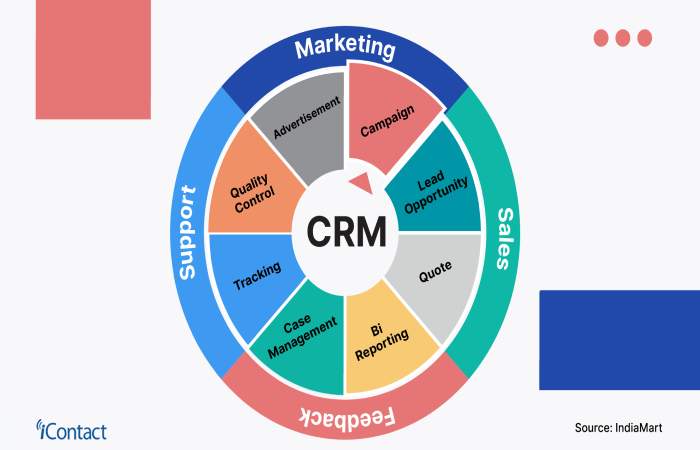
Importance of CRM Selection
Choosing the right CRM influences greatly on the productivity of the company, its customer satisfaction, and sales results. The right choice of the CRM tool will provide effective collaboration, simplified everyday routine, and valuable insights for further decisions.
At the same time, an inappropriate CRM without necessary functionality or difficult to use may lead to the low employees’ engagement, inefficiency in workflows, and higher expenses.
It is reasonable to spend time analysing the needs of the organization to choose the best CRM system.
Advantages of Opting for CRM System
Centralization of Customer Information
The CRM system collects customer contacts, history of communication, history of purchases, and history of support into one protected place, which is easy to access by the designated staff members.
Improved Sales Management
The sales team will be able to track their leads, opportunities, sales pipeline, and interact with the prospects so as to turn them into clients.
Customer Service Improvement
Customer service representatives will immediately be able to view customer history, and therefore will be able to react promptly and provide tailored customer services.
Cooperation Improvement between Departments
Marketing, sales, and customer service departments will be able to collaborate on the basis of customer information.
Productivity Increase
Automation of processes will release employees from administrative tasks like following-up, data entry, e-mail notifications, and generating reports.
Improvement of Business Insights
CRM reporting will enable companies to gather useful information about their sales results, customer behaviour, marketing effectiveness, and revenue trends.
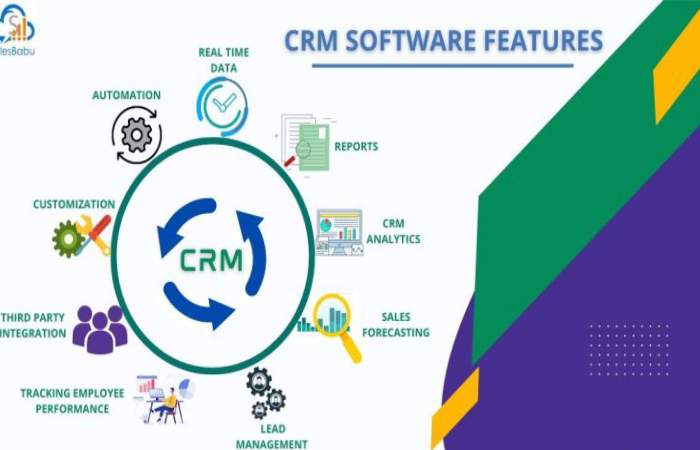
What CRM Features to Consider
Various CRM products have various features. While choosing CRMs, it is wise to consider those that have features suitable to your organization.
Contact Management
CRM system should include customer profiles, their contact details, conversation history, notes, and interaction record in one place.
Lead Management
Good lead management features will help you to gather, organize, qualify, allocate and manage your leads.
Sales Pipeline Management
Visual sales pipelines will help sales teams to keep track of their opportunities and revenues.
Mistakes they make include:
- Choosing software just because it’s cheap
- Not listening to what employees think
- Picking systems that are too complicated
- Not thinking about if it will work in the future
- Not looking at if it can work with other systems
- Not caring about how good the customer support is
- Not trying the software before buying it
If you avoid these mistakes you will be more likely to have a successful CRM system.
Measuring CRM Success is important. Businesses should watch the numbers to see if the CRM system is working.
Important things to look at include:
- Lead conversion rate
- Customer retention rate
- Sales growth
- Customer satisfaction score
- Average response time
- Sales cycle length
- Revenue per customer
- Customer lifetime value
- Employee productivity
- User adoption rate
Analyzing such measures will allow for the most efficient use of the CRM resource by the organization.
FAQs
What is CRM?
CRM is an acronym that stands for Customer Relationship Management”—software designed to help firms manage customer data, sales operations, marketing campaigns, and customer support through one tool.
Why is CRM selection important?
Choosing the right CRM allows for proper customer relationship management, greater efficiency, business growth, and the provision of software that will be suitable now and in the future.
Who requires a CRM?
Any company regardless of its size—startups, SMB, medium firms, and large corporations—can use CRM in order to effectively manage customer relations.
Conclusion
Selecting the appropriate customer relationship management solution is one of the key technology decisions companies can ever make. In addition to unifying all customer data, it will help to improve sales efficiency, increase customer service quality, streamline processes, and make informed decisions.
Instead of opting for a platform that is cheap or popular, companies need to understand their needs in terms of processes, staff, and future objectives. The proper selection of a CRM solution that is convenient, flexible, secure, and in line with corporate objectives will enable businesses to develop strong customer relations, boost staff efficiency, and establish a good base for growth.