

Remote Collaboration: Everything You Need to Build Effective Teams
Today’s modern workplace has been undergoing significant changes within the last decade with remote work turning into a norm for any business regardless of its size. Digital technology, cloud computing, and new forms of communication allow people to collaborate even if they are geographically distant. Remote collaboration has turned into an integral part of any organization’s work because of its ability to provide productivity, flexibility, and access to global labour market.
It is not only about working from home. Remote collaboration is about setting up a work process when team members have the opportunity to communicate, share information, coordinate work, and reach goals despite being located in different places. Using remote collaboration techniques with the help of appropriate strategies and tools, companies are able to ensure efficiency and promote collaboration and innovation.
What Is Remote Collaboration?
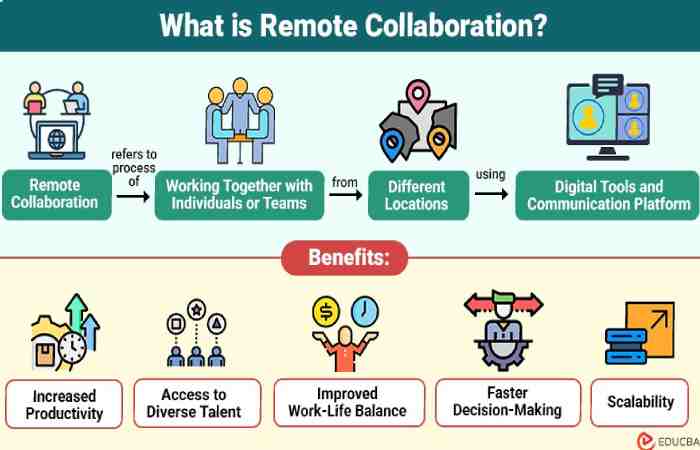
Remote collaboration refers to collaboration on various tasks and projects and business operations where team members are located at different locations. Team members make use of digital communication means as well as cloud and online collaboration tools to share information and collaborate on various projects without having to be physically present.
While in case of an office environment there are no such considerations, in case of remote collaboration, structure and communication are key factors.
Remote collaboration may entail collaboration from the comfort of one’s home, other offices, co-working places as well as different countries towards achieving common business goals.
Importance of Remote Collaboration
With firms growing in size and having employees who work in remote locations, remote collaboration becomes highly necessary for the organization to perform successfully. Remote collaboration not only ensures that the organizations continue operating irrespective of geographical boundaries but also results in increased job satisfaction among employees and saves money for organizations.
Organizations that have efficient collaboration enjoy greater flexibility, attract good partners, communicate effectively and sustain themselves through tough times. In addition to these advantages, effective remote collaboration enables employees to strike the balance between professional and personal lives.
Effectiveness in remote collaboration leads to improved teamwork among teams, increased productivity, and competitiveness for the firm in the increasingly digitized world.
Benefits of Remote Collaboration
More Freedom for Employees
People can work from places that’re best for them which means they are happier with their jobs and have a better life outside of work.
What Makes Remote Collaboration Work
To do collaboration well companies need more than just tools for talking to each other online. They need to make sure everyone knows what to do have a plan for how things get done and make a work environment where people feel supported.
Talk To Each Other Clearly
Communication is the solution when it comes to getting things right between remote workers. Workers should be able to communicate on how they are performing, ask for help, inform others about their performance, and the problems that they face.
Channels of communication to use :
- How fast you are expected to respond
- Scheduling meetings
- Process of reporting
- Requirements regarding documentation
Shared Business Goals
Managers need to keep telling the team about the company goals, important project steps and what they hope to achieve.
Reliable Technology
Good remote teamwork needs technology that works well. This technology helps with talking, sharing files, managing projects and making work easier.
Businesses have to ensure that their employees are provided with efficient devices to operate from wherever they are located.
Collaboration Tools for Distributed Teams
Technology is extremely significant in collaboration in case employees are working remotely.
Generally, companies tend to employ various types of tools that facilitate collaboration among remote employees.
Communication Tools
These communication tools enable users to communicate by way of chats, video conferencing, and conferences. These will ensure that employees can always stay in touch, no matter where they are located.
Project Management Software
These systems help organize jobs give tasks to people track when things need to be done and show how a project is going.
Cloud Storage
Storing files online lets people get, change and share documents from anywhere.
Shared Calendars
These tools help teams plan meetings, track deadlines and see when people are free.
Workflow Automation
Automating jobs makes it easier for remote workers to spend time on important work.
Encourage Inclusion
Ensure that remote workers are as involved in meetings and organizational events as other workers working from within the office.
Groups with inclusivity make people happier and more productive at work.
Measuring Remote Collaboration Success
Companies should check how well remote teamwork is doing by using numbers.
Good measures include:
- Project completion rate
- Employee productivity
- Customer satisfaction
- Response time
- Team engagement
- Employee retention
- Meeting effectiveness
- Task completion time
- Collaboration quality
- Overall business performance
Asked Questions
What is remote collaboration?
Remote collaboration is when employees work together from different places using things like email and video calls and shared online spaces to get their work done.
They use communication tools and online collaboration platforms to do this.
Why is collaboration important?
Remote collaboration is important because it helps companies keep getting work done even if peoples’ not in the office.
Remote collaboration helps companies be flexible and keep working even if something unexpected happens.
What are some of the major challenges of collaboration?
The challenges that can be faced during collaboration include those of communication and also different time zones.
Conclusion
By making sure people can talk to each other clearly setting up a workflow using technology that works and having a strong company culture businesses can manage teams that are not in the same place and still get a lot done.
As more people work from home or in a mix of home and office companies that are good at collaboration will be able to attract the best employees make them happy give good customer service and grow in a way that is good for the company.
If businesses keep making work better and use new technology, they can create a team that is connected and does a good job even when people are not, in the same place.