


What is a unique selling proposition? Step-by-Step Guide with Examples & Insights (2026)
The present-day marketplace is full of competitive offerings. There are many options available to consumers, and all these products are similar.
- Then why would customers go for one product instead of another?
- Here comes into play the concept of a unique selling proposition (USP).
It is an essential thing that helps companies distinguish themselves, attract attention and, finally, win customers.
What is a Unique Selling Proposition (Explanation)?
A unique selling proposition (USP) is the feature that sets your product or offering apart from other companies’ products and becomes a reason for choosing yours.
The explanation is as follows:
- There are numerous companies with similar offerings
The USP defines what makes you special
It affects customers’ decision-making
The key question it answers is:
Why should they choose your product?
Importance of USP in Business
Business without a unique selling proposition is just an alternative in the marketplace. Understanding the science behind making sales can help businesses explain their unique value more effectively and understand how customer needs and buying decisions influence conversions.
USP can help you:
- Differentiate in the crowded marketplace
Find the target audience
Establish the brand image
Increase sales and conversion rates
Customers are confused when all products are identical; therefore, having a USP solves their confusion about making a purchase decision.
Practical Examples of USP
- Let’s get practical!
- Example: Two Pizza Restaurants
- Both have identical menus.
Restaurant A: “We sell pizza”
Restaurant B: “Hot pizza within 30 mins or your order will be free”
Which one sounds better?
The second one has a clear USP; that is, it conveys the message of unique value proposition.
Real-Life USP Example
Scenario
An eCommerce company was not able to find its customers.
- Problems
Lack of differentiation
Identical to others
Poor messaging
What They Did
- Focused on eco-friendly materials
- Highlighted sustainability
- Targeted environmentally conscious buyers
Results
- Strong brand identity
- Increased customer trust
- Higher sales
The product didn’t change much—the positioning did.
Essential Components for an Effective USP
An effective USP follows some basic rules.
1. Clear and Concrete
It must state how you are different.
2. Customer-Focused
It must relate to customer needs or concerns.
3. Unique
It must not be imitated by competitors.
4. Beneficial
It must stress benefits, not features.
An effective USP centers on one important strength that a company has over others.
Examples of USPs
Learning from practical examples will help to understand the concept better.
1. Fast delivery
“Delivered within 30 minutes or get it free!”
Focus on: Speed and reliability
2. Best price
“Best price assured”
Focus on: Affordability
3. High quality
“Crafted with best material”
Focus on: Quality and craftsmanship
4. Innovation
“Latest technology to enhance performance”
Focus on: Innovation
5. Environment-friendly
“Green products for better tomorrow”
Focus on: Environmental concern
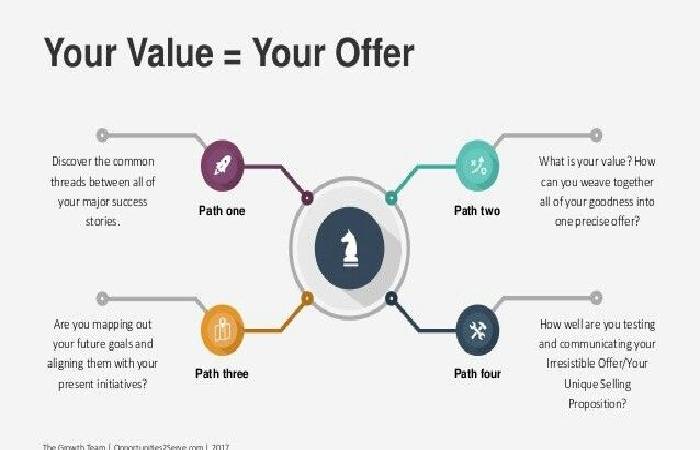
What Makes You Unique?
Your USP is what establishes that your position is unique in the market. A strong selling strategy can also extend beyond the main product, as explained in selling more than a car, where accessories and personalized experiences can add value and strengthen customer loyalty.
- For example, Starbucks is known for serving premium coffees in a world where cheap java glasses were the norm of the century.
- The honest company sells personal care products made only from natural ingredients.
Benefits of Having a Strong USP
1. Better Brand Positioning
Your business becomes easier to understand.
2. Higher Conversion Rates
Clear messaging leads to better decisions.
3. Stronger Customer Trust
Customers know what to expect.
Businesses can build stronger customer relationships by using an internal salesforce to understand customer needs and deliver consistent, personalized support.
4. Competitive Advantage
You stand out in crowded markets.
5. Marketing Clarity
All campaigns become more focused and consistent.
A well-organized sales tech stack can help teams align their sales tools, manage customer data, and communicate a consistent value proposition across the customer journey.
Common Mistakes Businesses Make
Being Too Generic
Statements like “best quality” don’t stand out.
Trying to Do Everything
A USP should focus on one strong advantage, not multiple claims.
Ignoring Customer Needs
USP must reflect what customers actually care about.
Making Unrealistic Claims
If you can’t deliver, trust is lost.
How to Develop a Unique Selling Proposition (Step-by-Step)
Using sales rep software can help sales teams organize customer information, track preferences, and identify the needs that make a product’s value more relevant to potential buyers.
Step 1: Get to Know Your Target Audience
What challenges do your customers have?
Step 2: Examine the Competition
What solutions do they offer?
Step 3: Recognize What You Do Best
What can you do that others can’t?
Step 4: Emphasize Only One Key Value Proposition
Be concise.
Step 5: Test and Refine
Adjust based on customer feedback.
For businesses using Salesforce to manage customer relationships, Salesforce application test automation can help keep important sales processes reliable as systems and workflows are updated.
When USP Becomes Most Important
A USP is critical when:
- Entering a competitive market
- Launching a new product
- Building a brand
- Trying to increase conversions
Future of USP in 2026
The concept is changing in accordance with the trends in the market.
Key Trends
- Messaging based on personalization
Niche targeting as opposed to broad targeting
Differentiation through experiences
Emotional connection with customers
Current USP is more concerned with value and experiences rather than features.
Key Points
- USP tells customers why your business is unique
It tells customers why they should choose your company
It is key to successful branding and marketing
It should be clear and customer-oriented
USP helps increase visibility, trust and sales
Conclusion
Unique Selling Proposition is much more than just another marketing phrase—it is the basis of how your business is going to compete.
Customers do not choose the best in a market of options.
They choose something which is unique to them.
This is exactly what USP does.