

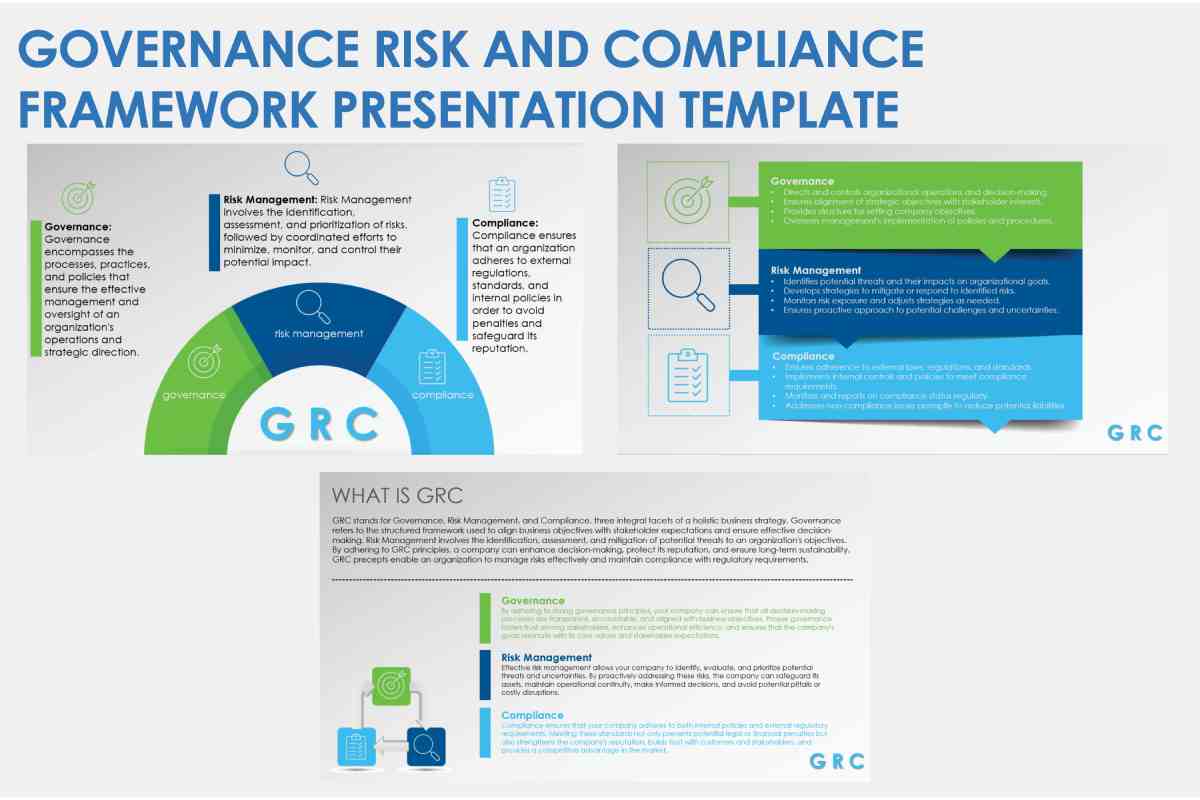
Compliance and Risk Management Tools & Templates
When businesses have appropriate tools and templates, compliance and business risk management become much easier. Rather than keeping important data in emails, notes, different folders and other places, businesses will be able to organize the process by using easy-to-use tools to track requirements, risks, incidents and corrective actions.
Best compliance and risk management tools need not be complicated or costly. Spreadsheets, checklists, calendars and templates will suffice for small businesses. Large businesses may opt for compliance or risk management software in the future.
In this article we will be discussing tools and templates businesses can use for effective compliance and risk management.
Importance of Compliance and Risk Management Tools
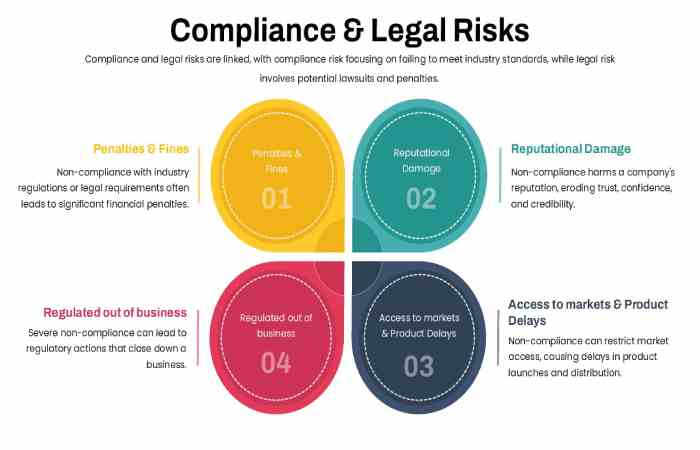
There are various types of risks in the business environment: legal, financial, operational, cybersecurity, employee, supplier and reputation risks. There are laws, regulations, contracts, licenses and internal policies to be complied with.
Without an appropriate system, various important tasks may get neglected.
For example, a business can have an annual license, which should be renewed once a year. Without tracking the expiration date, the business will be at risk of unnecessary disruption.
A compliance calendar, risk register or automated reminder can help solve the
1. Compliance Checklist Template
A compliance checklist is one of the simplest tools for organizing business obligations.
Basic Compliance Checklist
- Business registrations reviewed
- Licenses and permits checked
- Tax obligations monitored
- Employment requirements reviewed
- Workplace policies updated
- Contracts organized
- Privacy requirements checked
- Cybersecurity controls reviewed
- Insurance policies monitored
- Employee training completed
- Regulatory deadlines recorded
The checklist will have to be customized depending on the field within which the organization is operating, geographic location, and other aspects of its operations.
2. Compliance Calendar Template
| Requirement | Name of Responsible Person | Due Date, | Frequency | Status |
| License renewal | Operations | March 15 | Annual | Pending |
| Employee training | HR | June 30 | Annual | Complete |
| Policy review | Management | September 15 | Annual | Pending |
| Insurance renewal | Finance | December 10 | Annual | Pending |
Adding reminders before deadlines gives employees enough time to complete required tasks.
- Risk Register Template
It gives a detailed account of the risks involved and the management plans for handling them.
Example Risk Register
| Risk | Likelihood | Impact | Risk Level | Action | Owner |
| Supplier failure | Medium | High | High | Find backup supplier | Operations |
| Data breach | Medium | High | High | Improve security | IT |
| Equipment failure | Low | High | Medium | Schedule maintenance | Manager |
| Late payments | High | Medium | High | Improve collection process | Finance |
The register should be reviewed regularly because business risks can change over time.
4. Compliance Audit Template
A compliance audit template can help businesses check whether important policies and controls are working as expected.
Audit Checklist
Area Reviewed: __________________
Review Date: __________________
Responsible Person: __________________
Requirement: __________________
Evidence Checked: __________________
Finding: __________________
Corrective Action: __________________
Deadline: __________________
Status: __________________
Routine internal reviews will assist in identifying any shortcomings that may develop later on into bigger issues.
5. Risk Assessment Template
The risk assessment tool assists businesses in assessing their individual risks.
This means that one should first give an explanation of the risk and after that, assess its probability and its implications.
Questions for Risk Assessment
- What might go wrong?
- How likely is it?
- What would happen if it occurred?
- Who could be affected?
- What controls already exist?
- What additional action is required?
- Who is responsible?
This will assist in enabling managers to allocate more efforts to managing risks with higher priority.
Selecting the Right Compliance and Risk Management Tools
Companies should pick tools based on their requirements.
A smaller firm might just require spreadsheets, cloud document storage services, reminder calendars, and standardized templates.
A bigger company would need risk management software, compliance software, auditing software, contract management software, and automated reports.
The most important thing is not the sophistication of the software. It is how often people use it.
Start With Simple Tools
Before buying expensive software, find out what your most important issue is.
If there are issues with deadlines, begin with compliance calendar. If risks are not well managed, work on risk register. And if it is hard to find documents, you should better manage them.
Only after that you can use technology to make things more efficient.
Best Practices for Working with Compliance Templates
Templates need to be updated periodically.
Companies’ operations can change, people can change, contracts can expire and regulations can evolve. Therefore, an old template can become obsolete.
Additionally, companies must be careful about using legal templates, as they do not understand them. Requirements can be different from one jurisdiction and industry to another.
Professional help can be required for some major legal cases.
Conclusion
Properly designed compliance and risk management tools and templates help companies make their complicated obligations manageable.
A compliance checklist makes their obligations manageable, while compliance calendar ensures that none of them will be overlooked. Risk register helps see where the potential problems lie, and incident and corrective action trackers provide means to deal with them in case of necessity.
Also, the list of useful tools includes vendor assessment tools, contract tracker, employee training log, policy register, and business continuity checklist.
The best strategy would be to try to make their system practical enough. A company should focus on its most critical risks and obligations, designate the person responsible, keep proper records and review the system periodically.
When a company grows, it can substitute or complement some simple spreadsheets and checklists with special software. However, technology can only be the support of properly developed process.
With proper tools at hand, a company can make its compliance better, recognize risks earlier, react to incidents faster, and develop sustainable basis of their growth.