


Business Legal Advanced Guide: Navigating Complex Legal Problems and Business Risks
Operating a business will be legally more complicated as the company grows. The small business may start with just registering, managing the contracts, employing workers, and meeting customer demands. At this point, the company may be involved in bigger contracts, more employees, international suppliers, more customer information, more protection of intellectual property, and many regulations.
It is at this stage where business legal management needs to get more organized. Legal problems cannot just be managed when there is already a problem or dispute. There must be systems in place which will be able to recognize the legal risks, protect valuable assets, and make sound decisions.
This Business Legal Advanced Guide aims to provide the knowledge on the major business legal topics such as contracts, corporate laws, employment law, intellectual property, privacy, regulation, disputes, risk management, and legal operations.
Remember: Business laws depend on the country, state, industry and even the business organization itself. This guide is not meant to replace advice from your own lawyer in your jurisdiction.
What Makes Business Legal Management More Advanced?
Advanced legal management is less about knowing every law and more about creating systems around legal responsibilities.A growing company may have dozens or hundreds of contracts, several business partners, employees in different locations, valuable intellectual property, customer databases, and relationships with suppliers and service providers.Without a proper system, important obligations can easily be missed.
Advanced Contract Management
Contracts are one of the most critical legal documents in any business. With growth in the size of business, manual management of contracts via emails and different folders becomes a problem. Building a Contract Management Process
A structured contract management system should track important information from the beginning of a relationship until the agreement ends.
Businesses may want to record the following:
- Contract parties
- Start and end dates
- Payment terms
- Renewal dates
- Notice periods
- Performance obligations
- Confidentiality requirements
- Termination rights
- Important deadlines
It is especially true of those contracts that have automatic renewals.
Handling Changes to Contracts
Businesses frequently evolve following the signing of a contract.
The price may change, or there may be adjustments made to delivery and the need for additional services.
Instead of going the informal way, organizations are supposed to make use of proper documentation. Corporate Governance and Decision Making As the firm grows, the concept of corporate governance will become more important. Corporate governance is simply the framework for controlling and managing the business organization.
This could include:
- Decision-making authority
- Board responsibilities
- Shareholder matters
- Financial control
- Conflict of interest policies
- Corporate records
- Internal controls
Advanced Employment Law Considerations
Legal risks associated with employment increase with the number of employees employed.
The employer may be faced with issues regarding hiring, compensation, behavior, classification, dismissal, discrimination, harassment, workplace safety, and confidentiality at work.
Employee Classification
The company has to ensure that it classifies the person as an employee, independent contractor, consultant, or any other type of worker according to law.
Failure to classify employees correctly can lead to potential financial and legal difficulties, such as wages, benefits, taxes, and many others.
Since classification regulations vary from jurisdiction to jurisdiction, companies have to consult a lawyer to make sure that they classified their workers properly.
Workplace Investigations
Workplace complaints must be dealt with properly.
In the event that there is any claim of sexual harassment, discrimination, misbehaviour or any other issue, the organization must conduct proper investigations into the matter.
All complaints must be investigated properly and confidentiality must be maintained where possible.

Employee Termination
There may be legal issues involved in the termination of employment relations if the procedure is not conducted properly.
It is important that organizations know about notice requirements, documentation requirements, contract obligations, and local employment laws.
Important decisions in employment need to be documented appropriately.
Strategy for Intellectual Property
For many contemporary firms, intellectual property is among their most valuable assets.
Such a firm may have trademarks, copyrighted material, software, inventions, designs, trade secrets, databases, or proprietary processes.
Protection of Trade Secrets
Certain information can be considered valuable because there is no such information accessible by the competitors.
Access to information can be limited, confidentiality agreements used, security measures employed, and the employees made aware of the confidential information.
Much more effective is a strategy of protecting the trade secret if the company can show that it makes some reasonable efforts to secure the information.
Legal Risks for Data Privacy and Cybersecurity
With growing amounts of information collected about customers and employees, privacy becomes a crucial legal question.
Differences in the legal privacy requirements can be enormous depending on location, kind of information, and target customer/market segments.
Data Inventory Creation
The firm should know what information it has and where it is stored.
A data inventory can identify:
- What information is collected
- Why it is collected
- Where it is stored
- Who can access it
- Which service providers process it
- How long it is retained
- When it should be deleted
The information would be useful for the firm in assessing its privacy and security risks.
Risks Related to Third-Party Data
Not everything related to the business will be stored in-house.
There might be cloud services, payment processing, marketing, payroll companies, and other third parties that deal with business data or customer data.
Agreements with such third parties have to be examined carefully, especially where the information is sensitive.
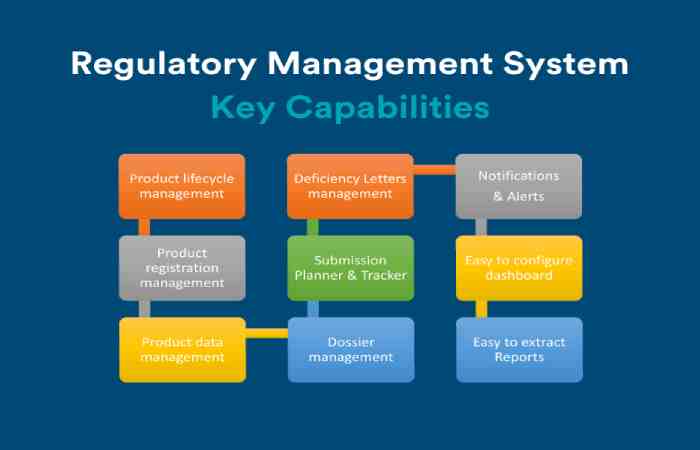
Management of Regulatory Requirements
Regulatory requirements can get quite complicated when the company grows.
There can be requirements related to taxation, labor, consumer protection, environment, product, financial reporting, privacy, and others.
Create a Compliance Register
A compliance register can provide a central place to track important obligations.
It may include:
- Regulation or requirement
- Responsible person
- Required action
- Deadline
- Renewal date
- Evidence of compliance
- Review status
This simple system will make compliance easier.
Monitor Changes to the Regulations
Laws and regulations can change.
Businesses operating in regulated industries should have a process for identifying relevant changes and determining whether those changes affect company operations.
When a new requirement is significant or unclear, professional legal or regulatory advice may be necessary.
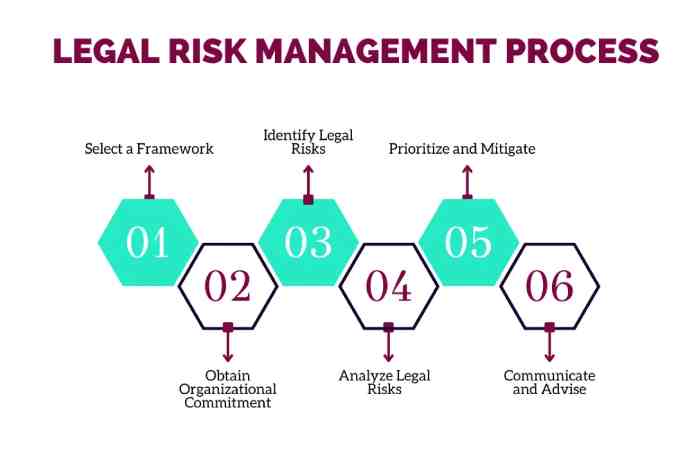
Managing Legal Risk
Legal risk management should be connected to the company’s broader risk management program.
Identify High-Risk Activities
- Large contracts
- International transactions
- Sensitive customer data
- Regulated products
- Employment decisions
- Intellectual property
- New market expansion
- Major partnerships
These areas may deserve more frequent review.
Final Thoughts
Advanced business legal management is not about making business operations unnecessarily complicated. It is concerned with the creation of frameworks for growth while retaining control of their legal obligations.
As businesses grow, so too do the size of the contracts, the number of people employed, the importance of intellectual property, the volume of customer information and the regulations that apply to them.
Approaches that were effective when the business was smaller will not suffice as the business grows.
Successful organizations view legal management as a strategic issue.