

Supply Chain Beginner’s Guide: A Beginner’s Guide to Supply Chain Management
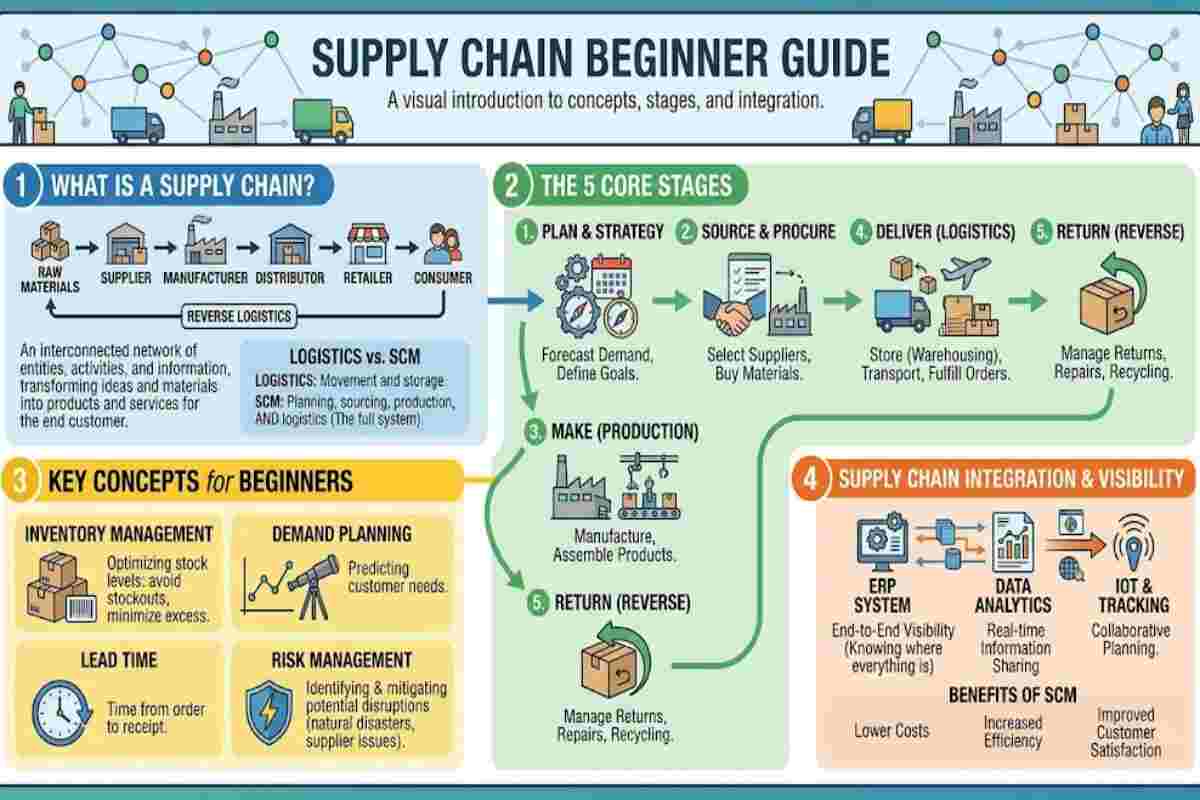
Supply Chain Beginner’s Guide – When you buy any product in the store or order anything online, you get to see only the end point of the chain. You choose the product, pay for it, and then await its delivery. But what happens between you making the selection and receiving your package? There might have been a number of other parties involved in that process, from suppliers and manufacturers to warehouses, logistics firms, retailers, and even delivery workers.
All of the steps above are part of the supply chain.
Although supply chain management can seem like an extremely complicated topic for a beginner in the corporate world, understanding it can prove to be surprisingly easy once one discovers that the mechanisms outlined in textbooks are real-life mechanisms of bringing products to customers.
Below is a beginner’s guide on how to acquire basic knowledge in supply chain management easily.
What Is a Supply Chain?
A supply chain is the entire chain that involves creating and distributing a particular product or service.
Imagine a T-shirt. Prior to making it available to the consumer, some things must be done. One needs to source materials like cotton. It also requires fabric creation. The manufacturer must cut and stitch the fabric to create T-shirts. After that, the products must be packaged and stocked. Then, the products must be transported to a store or distribution centre before going to the consumer.
Each step is included in the supply chain.
Large corporations use far more complicated systems operating in many different countries.
What is supply chain management?
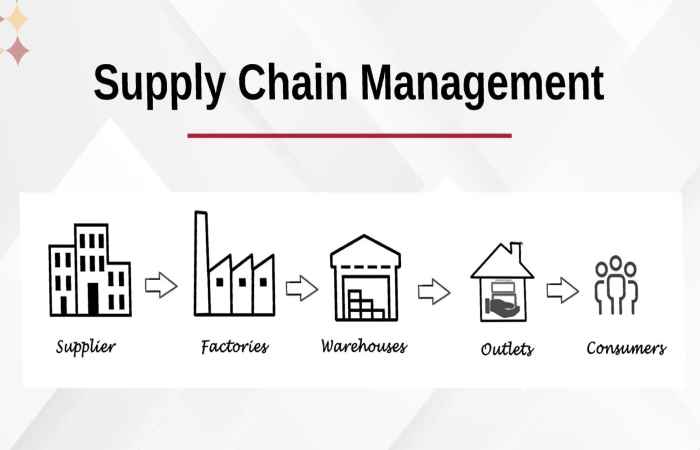
Supply chain management can be explained as the management of all activities required in order to ensure the movement of products and materials from the suppliers to customers.
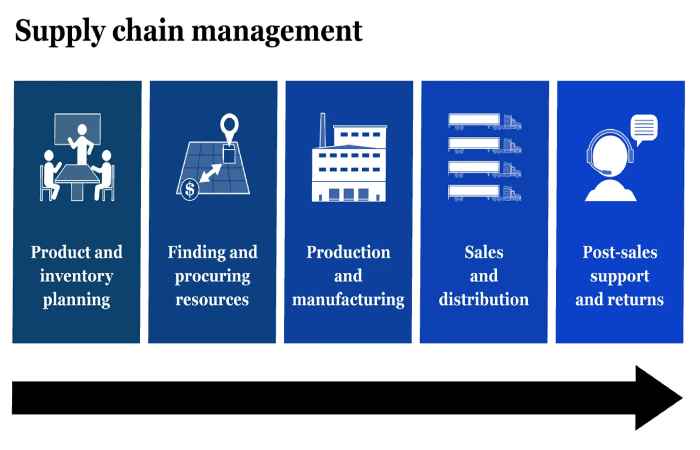
These activities include purchasing, production, inventory control, storage, transportation, and distribution.
The objective is to ensure efficient movement of products at reduced costs and quality. Let’s take an example of a company dealing with school bags. If it does not procure sufficient fabric, production will halt. But if it procures too much, cash flow may get blocked due to unutilized materials. Even if the bags are produced on schedule but the transportation is late, deliveries to customers will be late.
The process of managing the supply chain makes sure that all these processes work in concert.
Why Do We Require Warehousing?
Warehousing includes the activities of receiving, storing, arranging, picking up, and preparing the items for shipping. Organizing the goods in the warehouse may be very important for the efficiency of your business operations. For example, consider an online store with a great number of goods. In case the products are not labelled correctly or are kept in logical places, your staff may spend much time searching for customer orders.
Some technology like barcodes, inventory software, labels, and warehouse management systems can help solve these issues.
In this way, the process of warehousing helps to keep control over what you have.
Understanding Logistics
Logistics has a lot to do with the management of the supply chain.
The main concern of logistics is the transport and storage of goods. These include transport, warehousing, order processing, and delivery.
In one scenario, a firm may need to transport raw materials from a supplier to its plant and thereafter transport finished goods from the plant to a warehouse, which will later take the products either to the stores or to the customer’s location.
All this transport process is Once you make a transaction either in the store or online, you will only be at the receiving Although supply chain management seems to be a very complicated problem for a beginner in business, it can actually become a simple task when one realizes that the procedures mentioned in the books are the procedures that really happen in providing products to consumers. end of the chain. You make your choice, make payment, and then sit back to await delivery of your purchase.
The right form of transport will depend on the type of goods, the distance, deadline, and budget available.
The Importance of Supply Chain Visibility
The business requires correct information about what is going on in its supply chain.
The firm might require information about:
- Amount of inventory on hand
- Timing of delivery by the supplier
- The orders which have been sent out
- Status of production
- Fast-moving products
- Delivery delays
It is called supply chain visibility.
If there is no correct information available, then the manager makes decisions based on assumptions.
A firm might order the product which it has in excess and may not reorder the product which is almost sold out.
Even the most basic visibility tools can bring noticeable improvement.
Frequently Occurring Issues in Supply Chains
In most cases, supply chains rarely work perfectly without any disruptions.
There might be issues with delayed delivery from suppliers, transport troubles, insufficient inventory levels, product damage, malfunction of machinery, and even changes in demand of the customers.
Imagine a small electronics firm which relies on one supplier for one of the components. In case the supplier faces some production problems, the electronics firm will have trouble completing its goods.
That’s why many firms try to find alternative sources of supply and keep sufficient safety stock for critical components.
It doesn’t mean that one has to prepare for all possible issues. It is important to consider the issues which may have the largest impact on the firm.
How Does Technology Benefit Supply Chain Management?
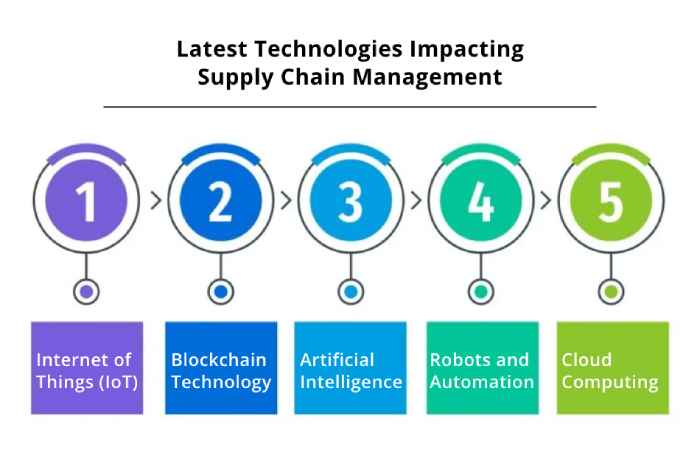
The utilization of technology has gained great significance in supply chain management in the contemporary world.
Through the use of software and other technological applications, companies are able to keep tabs of their inventories, arrange for shipping, contact suppliers, plan for manufacturing and keep track of orders placed.
Small companies could make do with a simple spreadsheet or even a stock keeping program. A larger company can have a fully integrated system involving purchase, sale, warehousing, manufacturing, and accounting functions.
Technology works well where there is a practical need for its application. Expensive software packages are not always necessary.
Conclusion
The main idea behind the concept of supply chain management is to have things go smoothly. The suppliers must provide the material, the manufacturers must manufacture the products, the warehouses must store the products, and finally, the logistics department must move the products to their correct destination.
For a beginner in the field of supply chain management, there is no necessity to learn all the jargons. Here’s the basic process first:
Suppliers -> Raw Material -> Manufacturing -> Finished Product -> Storage -> Transport -> Consumer
The moment you get a hold of this process, everything else regarding procurement, forecasting, inventory management, logistics, and technology in supply chain management becomes clear. An efficient supply chain does not only ensure that a company delivers its goods. It also ensures waste reduction, cost management, improved customer service, and even contingency planning by the business.