

Compliance Training: The Guide for Every Business of Today
Compliance training is an essential element of any properly managed workplace. It is vital that employees know the policies and the standards that regulate their behavior at work. Failure to conduct compliance training may lead to the situation when good employees commit unintentional mistakes that cause trouble for their companies.
It is worth noting that compliance training does not necessarily have to be boring and confusing for employees. In case the training is practical and simple to understand, employees will surely take advantage of it.
Issues such as workplace conduct and protection of data should be discussed in compliance training, among others.

What Is Compliance Training?
Compliance training refers to the method of informing staff of the rules and policies that affect them in the course of doing their work.
Compliance training topics differ depending on the nature of the company, the industry, the country of operation, among other factors. A company which deals with customer information might require compliance training on data privacy issues than a manufacturing firm.
Some of the common topics on compliance training include:
- Workplace safety
- Anti-harassment policies
- Equal employment practices
- Data privacy
- Information security
- Workplace conduct
- Ethical decision-making
- Industry regulations
- Confidentiality
- Financial procedures
- Company policies
The purpose is not simply to make employees memorize rules.
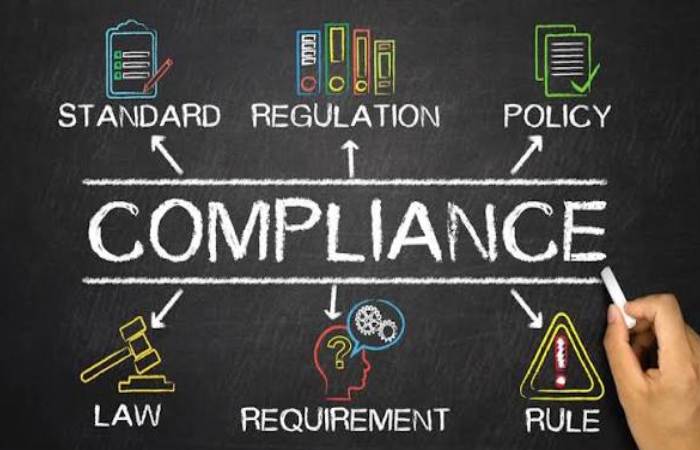
Who Requires Compliance Training?
Compliance training is not necessarily something that belongs to HR professionals and top management. Depending on the issue, different employees might be required to undergo compliance training.
New employees might receive a general training during their onboarding process, while current employees would require refreshers at any time of the year.
Certain positions might require additional training since employees holding such positions have access to confidential information, control other employees, perform financial activities, operate certain machinery or work in specific industries.
Managers may be required to undergo specialized training because of their added obligations when handling workplace complaints and employee performance issues.
Common Types of Compliance Training
Safety Training in the Workplace
Safety training gives workers knowledge about potential dangers at work as well as the measures meant to minimize danger.
According to the work environment, safety training may include emergency procedures, equipment use, reporting procedures, safety measures, and many others.
Safety training needs to be relevant and tailored to the job duties of the employee.
Training on Anti-Harassment and Workplace Conduct
Employees should know what is acceptable professional conduct and what conduct is not acceptable.
Training may help to explain the required conduct at the workplace, reporting process, proper communication, and other matters.
Managers may require additional guidance on how to react when an employee expresses his/her concern.
Privacy and Security of Data Training
Workers usually work with data of customers, fellow employees, and even of the organization.
Training can cover:
- Protecting passwords
- Handling confidential information
- Recognizing suspicious messages
- Using company systems responsibly
- Sharing information appropriately
- Reporting potential security incidents
The exact requirements depend on the organization’s activities and applicable laws.
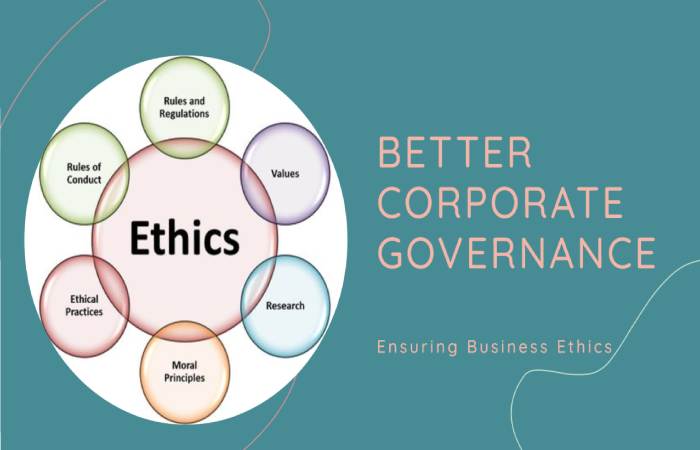
Ethics and Corporate Practices Training
At times, employees might find themselves in a dilemma where the right thing to do may not be clear.
Training in ethics will assist in ensuring that employees are aware of corporate practices as far as conflicts of interest, gift giving, conduct at work, confidentiality, and decision making are concerned.
Ethical concerns can be illustrated using real life scenarios.
Making Compliance Training Relevant
The greatest challenge when it comes to compliance training is ensuring that employees stay interested.
If employees are subjected to lectures all day long using jargon, then the chances of employees relating the training to themselves become very slim.
A better way of doing things is by making training relevant.
For instance, instead of lecturing employees on data privacy policy, present them with a scenario where a customer demands certain information and ask the employees what they would do in such a case.
Use Different Training Methods
Not every employee learns in exactly the same way. Businesses can use different formats depending on the subject and workforce.
Training may include:
- In-person sessions
- Online courses
- Short videos
- Workshops
- Scenario-based exercises
- Quizzes
- Written guides
- Team discussions
- Manager-led sessions
Briefer recap sessions may also work well where employees need to be reminded of certain policies.
The idea is to select a method that will help employees learn and use the information.
Train Employees During Onboarding
Compliance training should be included in the onboarding process of employees if the information is applicable to their position.
It is more appropriate for new employees to get proper guidance at the very beginning instead of learning about work policies through mistakes.
During onboarding, organizations will get an opportunity to familiarize employees with:
- Workplace policies
- Conduct expectations
- Safety procedures
- Data handling requirements
- Reporting channels
- Relevant role-specific regulations
Not every policy needs to be covered in extreme detail on the first day. Training can be divided into manageable stages.

Provide Refresher Training
Compliance training should not always be a one-off exercise.
Policies, technology, rules, and procedures will vary. In addition, employees may forget details that they do not apply often.
Refresher training allows for the reinforcement of key concepts as well as the passing along of new information.
This should be done on a schedule that takes into consideration the content, the organization, and regulation. There are certain subjects that must be regularly updated, while others just once in a while.
Measure Whether Training Is Working
Completion alone does not necessarily mean employees understood the material.
Businesses can use simple methods to evaluate whether training is effective.
These may include:
- Short quizzes
- Scenario-based questions
- Employee feedback
- Knowledge assessments
- Follow-up discussions
- Monitoring relevant workplace issues
Compliance Training Checklist
Use this checklist to develop a workplace compliance training program:
- ☐ Identify applicable requirements
- ☐ Review company policies
- ☐ Identify employees requiring training
- ☐ Identify role-based training requirements
- ☐ Develop training materials
- ☐ Use practical workplace examples
- ☐ Schedule training
- ☐ Provide training to employees
- ☐ Test or assess understanding where appropriate
- ☐ Record completion
- ☐ Provide refresher training when needed
- ☐ Review employee feedback
Revise training as and when necessary, according to changes in compliance requirements.
Conclusion
Training will be most useful when employees know what the compliance regulations mean and how to apply them in practice. A mere compilation of regulations is not sufficient. Employees need explanations, examples, guidelines and answers to their questions.
It is worth noting that businesses have to remember about the need for compliance on an ongoing basis since new compliance requirements may emerge due to changes in workplace regulations and technological environment, as well as in corporate policies.
When compliance training takes on a practical nature in the course of managing workplaces, it may facilitate this process.