


Step-by-Step Planning to Make Your Online Marketing Successful
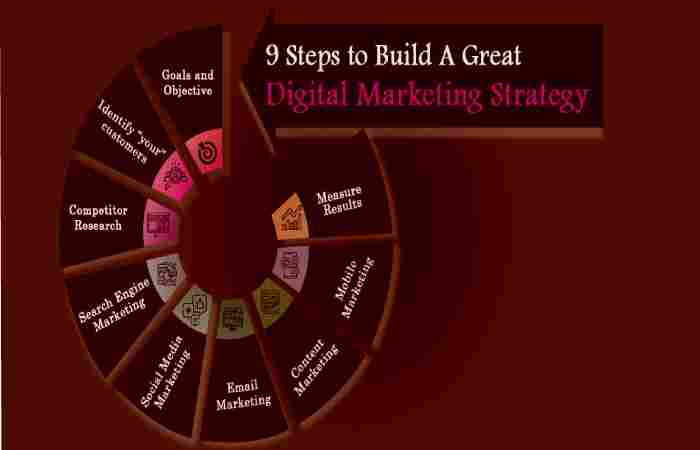
If you’ve ever wondered why some online marketing campaigns explode while others flop, the secret is simple — planning. Without a solid step-by-step strategy, even the most creative ads or catchy posts can go unnoticed. Let’s break down how to plan and execute an online marketing campaign that truly works — one that brings traffic, builds trust, and boosts sales.
Why Online Marketing Needs a Plan
Online marketing isn’t just about posting on social media or running random ads. It’s about understanding your audience, setting measurable goals, and creating consistent messages across all digital channels. A well-structured plan ensures that every dollar and every minute you spend brings you closer to growth.
Some benefits of having a clear plan include:
-
Better brand awareness and reputation
-
Higher return on investment (ROI)
-
More targeted audience engagement
-
Easier tracking and performance improvement
Now, let’s dive into the step-by-step plan to make your online marketing successful.
Step 1: Define Clear Marketing Goals
Every great campaign begins with a clear destination. Ask yourself:
-
What do I want to achieve? (More leads, brand visibility, sales, etc.)
-
How will I measure success?
-
What’s my timeline and budget?
For example:
If your goal is to “increase sales by 30% in three months,” you’ll focus your strategy around conversion-driven tactics like Google Ads, retargeting, and landing pages.
Pro Tip: Use the SMART goal framework — Specific, Measurable, Achievable, Relevant, and Time-bound — to make your goals realistic and actionable.
Step 2: Understand Your Target Audience
The next step is knowing who you’re talking to. You can’t sell effectively without understanding your audience’s needs, habits, and online behavior.
Create a Buyer Persona
A buyer persona is a detailed profile of your ideal customer. Include:
-
Age, gender, and location
-
Interests and hobbies
-
Online habits (social media platforms they use)
-
Pain points and challenges
-
Buying motivation
Example:
If your target is young entrepreneurs, focus on platforms like LinkedIn and Instagram, and use productivity or business-growth messages.
Pro Tip: Use tools like Google Analytics, Facebook Insights, and surveys to gather real audience data.
Step 3: Analyze Your Competition
Before jumping into execution, take a look at what your competitors are doing. This helps you identify what’s working in your industry and where you can stand out.
Key Areas to Research:
-
Their website design and SEO strategy
-
Content type (blogs, videos, social posts)
-
Paid advertising channels (Google Ads, Meta Ads)
-
Customer reviews and feedback
Use tools like SEMrush, Ahrefs, or SpyFu to uncover keywords they rank for and ad strategies they’re using. You’ll then know how to position your brand uniquely in the market.
Step 4: Build a Strong Online Presence
Your online presence is the foundation of your digital marketing success. This includes your website, social profiles, and listings across the web.
Focus on the Following:
-
Professional Website:
Ensure it’s fast, mobile-friendly, and SEO-optimized.-
Use clear navigation
-
Include CTAs (calls-to-action)
-
Create a blog section for content marketing
-
-
Social Media Profiles:
Stay active on platforms that matter most to your audience. Use a consistent tone, visuals, and posting schedule. -
Google My Business:
If you have a local business, optimize your GMB listing for local SEO.
Pro Tip: Your website should act as the central hub where all your marketing channels lead visitors.
Step 5: Develop a Powerful Content Marketing Strategy
Content is the heart of digital marketing. It’s how you attract, engage, and convert visitors.
Types of Content You Can Create:
-
Blog posts to drive organic traffic
-
Videos to build brand awareness
-
Infographics for easy information sharing
-
E-books or guides to capture leads
-
Podcasts to establish authority
How to Create Engaging Content:
-
Use SEO keywords naturally
-
Write in a conversational tone
-
Add real examples or case studies
-
Use visuals to break monotony
Pro Tip: Plan your content calendar monthly to stay consistent. Post at least 2–3 blogs per week to maintain authority.
Step 6: Optimize for SEO (Search Engine Optimization)
Even the best content won’t perform if no one sees it. That’s why SEO is key to success.
On-Page SEO Checklist:
-
Include your target keywords in the title, headers, and meta descriptions
-
Use internal and external linking
-
Optimize images with alt tags
-
Keep URLs clean and descriptive
Off-Page SEO:
-
Build high-quality backlinks from relevant sites
-
Engage in guest blogging
-
Promote content on social media
Pro Tip: Always use tools like Google Search Console to monitor your site’s performance and keyword ranking.
Step 7: Use Paid Advertising (PPC and Social Ads)
If you want faster results, complement your organic strategies with paid advertising.
Popular Paid Channels:
-
Google Ads: For targeted keyword campaigns
-
Facebook & Instagram Ads: For visual storytelling and brand awareness
-
LinkedIn Ads: For B2B lead generation
-
YouTube Ads: For engaging video promotions
Set a budget, test different ad creatives, and track metrics like CTR (Click-Through Rate) and conversion rate to optimize results.
Step 8: Leverage Email Marketing
Email marketing is still one of the most effective channels for nurturing leads and retaining customers.
How to Use It:
-
Build an email list with opt-in forms and lead magnets
-
Send newsletters with valuable insights
-
Automate sequences for onboarding and promotions
Pro Tip: Use personalization — address subscribers by name, and send tailored messages based on their behavior.
Step 9: Monitor Analytics and Performance
You can’t improve what you don’t measure. Use analytics tools to track your results regularly.
Key Metrics to Track:
-
Website traffic and bounce rate
-
Conversion rate
-
Click-through rate (CTR)
-
Cost per lead or sale
-
Social media engagement
Use Google Analytics, Facebook Insights, or HubSpot to gather actionable data and adjust your marketing plan accordingly.
Step 10: Adjust and Improve Continuously
The final step is ongoing improvement. Online marketing trends evolve quickly — what worked last year might not work now. Regularly analyze what’s working, drop what’s not, and test new strategies.
Ways to Keep Improving:
-
Stay updated with digital marketing trends
-
A/B test your ads, headlines, and CTAs
-
Encourage customer feedback
-
Experiment with new content formats
Pro Tip: Continuous learning and adaptation keep your brand competitive and relevant.
Common Mistakes to Avoid in Online Marketing
Even with a strong plan, many businesses fall into common traps. Avoid these:
-
Ignoring mobile optimization
-
Focusing only on selling, not educating
-
Neglecting analytics and data insights
-
Using the same content across all channels
-
Forgetting customer engagement and community building
Being mindful of these mistakes can save you time and money while improving your results.
Final Thoughts: Make Your Online Marketing Successful
Online marketing success doesn’t happen overnight. It’s the result of consistent planning, testing, and optimization. By following this step-by-step strategy — from defining goals and understanding your audience to creating valuable content and measuring performance — you can build a brand that thrives online.
If you’re serious about growing your business, start today. Remember, the key to successful online marketing lies in clear planning, smart execution, and continuous improvement.