

Micro TIG Welding: All Your Questions Answered
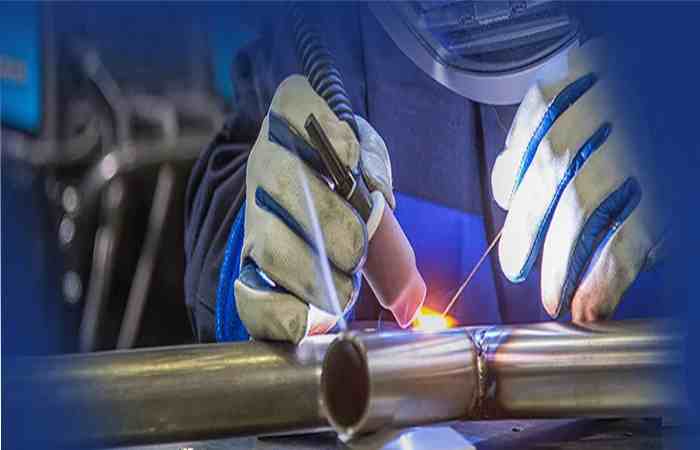
Micro TIG welding is one of the most precise and reliable welding methods used in today’s high-tech industries. Whether you work with miniature components, delicate molds, or medical-grade tools, Micro TIG offers unmatched control and accuracy. If you’re curious about how it works, what it can weld, and why industries depend on it, this guide answers all your important questions.
What Is Micro TIG Welding?
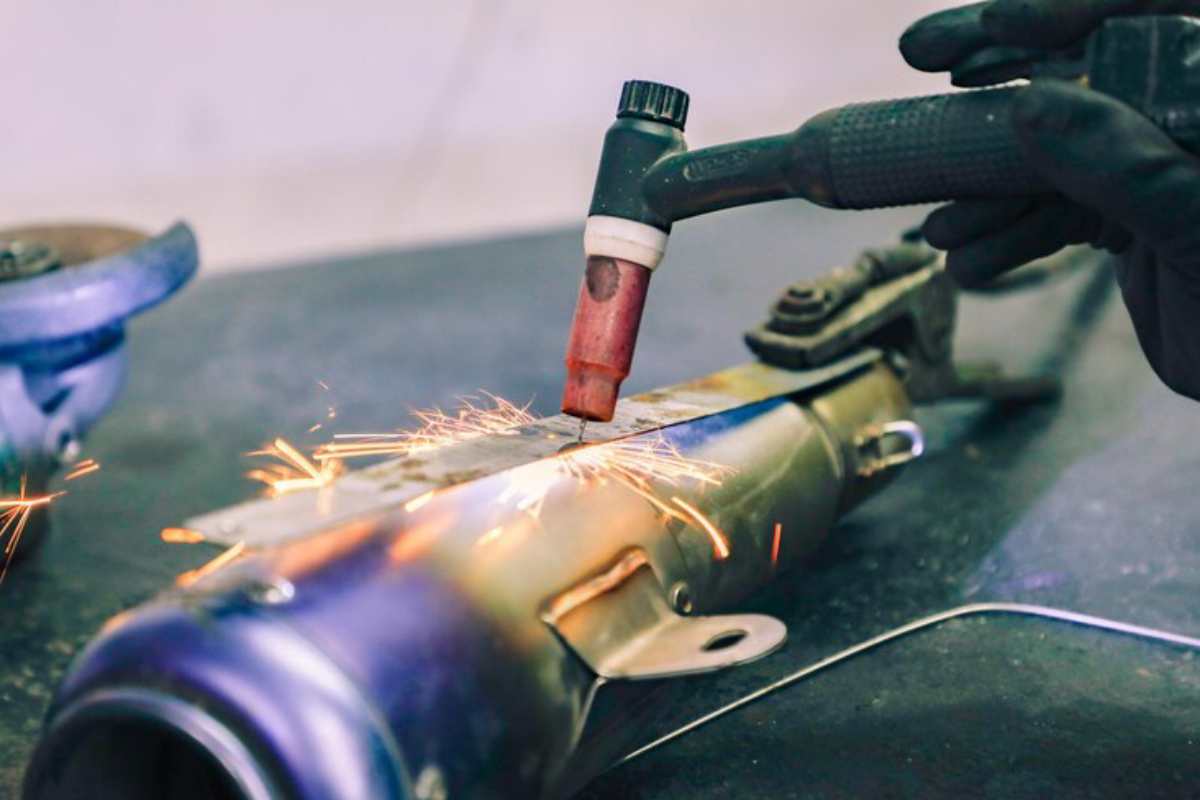
Micro TIG welding—sometimes called precision TIG or micro GTAW—is a specialized form of TIG welding designed for tiny, thin, and delicate metal components. It uses extremely low amperage, a small tungsten electrode, and a highly controlled arc to create strong and clean welds.
It’s basically traditional TIG welding but scaled down to a microscopic level.
How Does Micro TIG Welding Work?
The process is straightforward but requires advanced equipment and skill.
-
A fine tungsten electrode creates a small, stable electric arc.
-
The arc melts a tiny spot on the metal surface.
-
Shielding gas (typically argon) protects the weld from contamination.
-
Filler metal may be added for repair or buildup.
The heat and arc are controlled so precisely that even micro-sized parts can be welded without distortion.
What Materials Can Be Welded Using Micro TIG?
Micro TIG welding works with a wide range of metals, including:
-
Stainless steel
-
Titanium
-
Carbon steel
-
Nickel alloys
-
Tool steel
-
Cobalt-chrome
-
Platinum and gold
-
Tungsten and molybdenum (with proper technique)
Its versatility makes it popular across many industries.
Where Is Micro TIG Welding Used?
Because of its accuracy and low heat impact, Micro TIG is widely used in:
Medical Devices
Surgical tools, implants, dental instruments.
Electronics
Battery tabs, micro-connectors, circuit components.
Aerospace
Small precision parts, sensors, turbines.
Tool & Die Repair
Restoring worn edges, filling cracks, mold repair.
Jewelry & Watchmaking
Delicate joints that must remain clean and strong.
Automotive
Sensors, thin metal parts, micro-components.
Any industry requiring fine, secure welds benefits from Micro TIG technology.
Is Micro TIG Welding Better Than Laser Welding?
Both processes are used for micro repairs, but each has advantages.
Micro TIG is better when:
-
You need deeper penetration.
-
Welding strong tool steel.
-
Repairing molds or dies.
-
Adding larger amounts of filler metal.
Micro Laser welding is better when:
-
You need very low heat input.
-
Welding extremely thin material.
-
Producing invisible micro-welds.
-
Working with delicate jewelry.
In many workshops, both methods are used together depending on the job.
How Strong Are Micro TIG Welds?
Micro TIG welds are exceptionally strong. Because the arc creates deep fusion, the welds often match or exceed the strength of the base material. This is why industries like aerospace and medical rely on Micro TIG where reliability is critical.
Is Micro TIG Welding Expensive?
It depends. Micro TIG equipment costs more than standard TIG machines because of:
-
Precision controls
-
Micro electrodes
-
Higher-quality torch systems
-
Specialized power supplies
However, the long-term value is high because it prevents scrap, reduces rework, and repairs delicate components that would otherwise be impossible to fix.
What Are the Advantages of Micro TIG Welding?
You get several key benefits:
-
Ultra-precise welds
-
Minimal heat distortion
-
High joint strength
-
Perfect for small or delicate parts
-
Ability to add filler metal for buildup
-
Works on many metals
-
Clean, professional finish
These advantages make Micro TIG a go-to method for high-precision work.
What Are the Limitations?
Even though it’s powerful, Micro TIG has limits.
-
Slower than laser welding
-
Requires high operator skill
-
Not ideal for very thin (<0.1 mm) material
-
Cannot create extremely tiny welds like lasers can
-
May cause more heat input than micro-laser welding
Still, for mold repair and high-strength welds, Micro TIG is unmatched.
Can Beginners Learn Micro TIG Welding?
Yes, but it is more challenging than regular TIG welding. Beginners must learn:
-
Arc control
-
Heat management
-
Tungsten sharpening
-
Working under magnification
-
Using micro filler rods
Most professionals learn Micro TIG after mastering standard TIG welding first.
Do You Need Special Equipment?
Yes. Micro TIG uses:
-
A precision power supply
-
A micro TIG torch
-
Fine tungsten electrodes
-
Precision foot pedal or pulse control
-
High-purity argon gas
-
Optional microscope or magnifier
Some workstations include built-in microscopes and micro-manipulators for extreme accuracy.
How Much Heat Does Micro TIG Produce?
Micro TIG produces much less heat than standard TIG welding because it uses:
-
Low amperage (as low as 0.1 AMP)
-
Controlled pulse waves
-
Focused arc geometry
This allows welding tiny parts without warping, melting, or overheating them.
Can Micro TIG Weld Aluminum?
Yes, but it’s challenging. Micro TIG can weld thin aluminum, but it requires:
-
High-frequency AC output
-
Perfect cleaning
-
Expert control
For extremely thin aluminum, micro laser welding may be a better option.
Is Micro TIG Welding Used in Mold Repair?
Absolutely. It is one of the most common applications.
Micro TIG is used to:
-
Repair worn edges of molds
-
Build up damaged areas
-
Fix cracks
-
Restore cavities
-
Add precise touches to intricate mold features
It is preferred over traditional welding because it minimizes distortion and keeps the mold dimensionally accurate.
How Does Micro TIG Compare to Standard TIG?
| Feature | Micro TIG | Standard TIG |
|---|---|---|
| Heat Input | Very low | High |
| Precision | Extremely high | Medium |
| Weld Size | Microscopic | Larger |
| Best For | Small & delicate parts | General fabrication |
| Equipment | Specialized | Common, affordable |
For fine work, Micro TIG is far superior.
How Long Does a Micro TIG Weld Last?
Micro TIG welds are extremely durable and can last as long as the base metal itself. When done correctly, they withstand:
-
Heat
-
Vibration
-
Mechanical stress
-
Corrosion
This is why micro TIG is used in critical industries like aerospace and medical engineering.
Final Thoughts
Micro TIG welding offers a perfect balance of precision, strength, and versatility. Whether you’re repairing a tiny mold, assembling medical devices, or working on ultra-fine metal parts, this method delivers clean, reliable, and distortion-free results. As technology evolves, Micro TIG continues to be one of the most trusted methods for high-quality miniature welding.