


Why Marketing Is Important for Online Games?
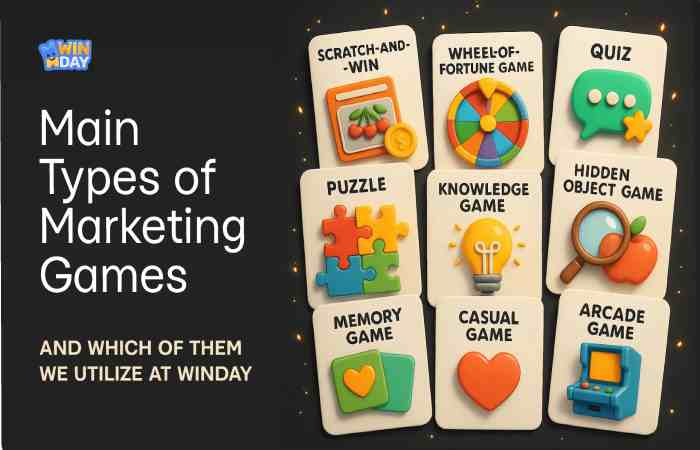
The online gaming industry is booming, but the success of a game today does not depend only on great graphics, smooth gameplay, or unique features. It depends heavily on marketing. In fact, even the best game can fail if players don’t know it exists. That’s why marketing is extremely important for online games—it builds visibility, attracts players, grows community engagement, and ensures long-term success.
In this article, I’ll break down why marketing is important for online games, how it affects growth, and the strategies gaming companies use to stay ahead.
The Rising Competition in the Online Gaming Industry
Online gaming is one of the fastest-growing industries in the world, but with growth comes massive competition.
Thousands of Games Compete for Player Attention
New games are released every day—mobile, PC, console, VR, cloud, and browser-based. Without marketing, your game becomes invisible in a crowded marketplace.
Marketing helps:
-
Highlight game features
-
Build initial curiosity
-
Make audiences aware that your game even exists
-
Stand out among competitors
Player Expectations Are Higher Than Ever
Players today don’t download or purchase blindly. They check:
-
Reviews
-
Gameplay videos
-
Community feedback
-
Influencer opinions
Marketing ensures your game creates a positive first impression.
Marketing Builds Awareness and Visibility
Before players try a game, they need to discover it. Marketing creates that first touchpoint.
Essential for Launch Success
A strong pre-launch marketing campaign can help build:
-
Hype
-
Waiting lists
-
Beta test sign-ups
-
Social media buzz
-
Community excitement
Games like PUBG, Fortnite, and Free Fire became big partly due to aggressive marketing campaigns.
Helps Reach the Right Target Audience
Not every gamer likes every game.
Marketing helps you identify your ideal players:
-
Action lovers
-
Strategy enthusiasts
-
Casual mobile gamers
-
Esports fans
-
Fantasy or adventure players
Targeted marketing ensures your message reaches the right people who are more likely to play and pay.
Marketing Helps Build a Strong Player Community
In online gaming, community is everything.
Encourages User Engagement and Retention
Games survive when players stay active. Marketing creates ongoing engagement through:
-
Email newsletters
-
Social media content
-
In-game events
-
Updates and patches announcements
-
New character releases
This keeps players coming back instead of switching to competitors.
Builds Trust and Brand Credibility
When a game has an active online presence, players feel connected.
With marketing:
-
Updates are communicated clearly
-
Players share feedback
-
Developers respond to concerns
-
Gamers feel heard
This builds loyalty, turning casual gamers into fans.
Marketing Helps Online Games Generate Revenue
Visibility = players.
Players = revenue.
It’s that simple.
Attracts Paying Users
Online games generate revenue through:
-
In-app purchases
-
Battle passes
-
Skins and upgrades
-
Subscription models
-
Ads
-
Packages and bundles
Marketing helps reach players who have a high willingness to pay.
Boosts Lifetime Value (LTV)
The more engaged a player is, the longer they will stay in the game—and the more they will spend.
Marketing keeps players:
-
Updated
-
Interested
-
Excited
-
Emotionally connected to the game
This increases their lifetime value (LTV), which is crucial for the sustainability of gaming companies.
Marketing Makes a Game Go Viral
Virality isn’t luck—it’s strategy.
Influencer Collaborations Amplify Reach
Streaming is one of the biggest driving forces in gaming.
Influencers like:
-
YouTubers
-
Twitch streamers
-
Facebook Gaming creators
-
TikTok gamers
can reach millions instantly.
A good marketing strategy includes:
-
Sponsored gameplay
-
Early access demos
-
Giveaways
-
Challenge events
This helps games go viral overnight.
Social Media Trends and Memes Build Rapid Popularity
Marketing teams create:
-
Hashtags
-
Memes
-
Short reels
-
TikTok trends
-
Shareable content
These help a game spread fast across different platforms.
Marketing Helps Players Understand Game Value
Even a well-designed game needs explanation. Marketing communicates the unique value a game offers.
Showcases Game Features
Marketing helps highlight:
-
Storyline
-
Characters
-
Gameplay style
-
Unique selling points (USP)
-
Game modes
-
Graphics and sound
This helps players understand why they should choose your game over thousands of others.
Builds Desire and Curiosity
Good storytelling in marketing creates emotional connections.
Players should feel like:
-
“I want to try this!”
-
“This game looks exciting.”
-
“This is exactly the kind of gameplay I enjoy.”
Marketing triggers that desire.
Marketing Supports Long-Term Growth
Launching a game is just the beginning. Sustaining it requires continuous effort.
Helps Maintain Relevance Over Time
Marketing supports long-term success by promoting:
-
New updates
-
Seasonal events
-
Game expansions
-
Tournaments
-
Patch notes
This expands the game’s lifespan.
Encourages Community-Led Promotion
A strong community becomes your free marketing engine.
Fans share:
-
Gameplay clips
-
Live streams
-
Reviews
-
Tips and tricks
-
Interesting game moments
This user-generated content helps expand reach organically.
Key Marketing Strategies Used by Online Games
To fully understand why marketing is important for online games, let’s look at common strategies.
1. Social Media Marketing
Platforms like:
-
Instagram
-
Facebook
-
Twitter
-
Reddit
-
TikTok
-
YouTube
help create ongoing buzz.
2. Influencer Marketing
Creators help attract trust and visibility instantly.
3. Paid Advertising
Ads on:
-
Google
-
Facebook
-
YouTube
-
Instagram
-
In-app ads
bring quick downloads and large-scale visibility.
4. Content Marketing
Blogs, guides, and gameplay articles help improve SEO and attract organic traffic.
5. Community Management
Engaging with users on Discord, Telegram, and forums strengthens loyalty.
6. Esports and Tournament Promotions
Competitive gaming attracts massive engagement and sponsorships.
How Marketing Helps Both New and Existing Games
Marketing is equally important for both new releases and long-running games.
For New Games
Marketing helps achieve:
-
Fast downloads
-
Quick visibility
-
Hype before launch
-
Beta testing feedback
-
Trend creation
For Existing Games
Marketing helps maintain:
-
Active player base
-
Community engagement
-
Competitive edge
-
Revenue growth
Conclusion: Why Marketing Is Important for Online Games
Marketing is important for online games because it boosts visibility, builds community, increases revenue, attracts loyal players, and keeps the game relevant over time. In a competitive industry where thousands of games launch yearly, marketing ensures your game stands out, connects with the right audience, and achieves long-term success.
If you want a game to grow, thrive, and dominate the market, marketing is not optional—it’s essential.