


How to Leverage Stakeholder and Community Feedback
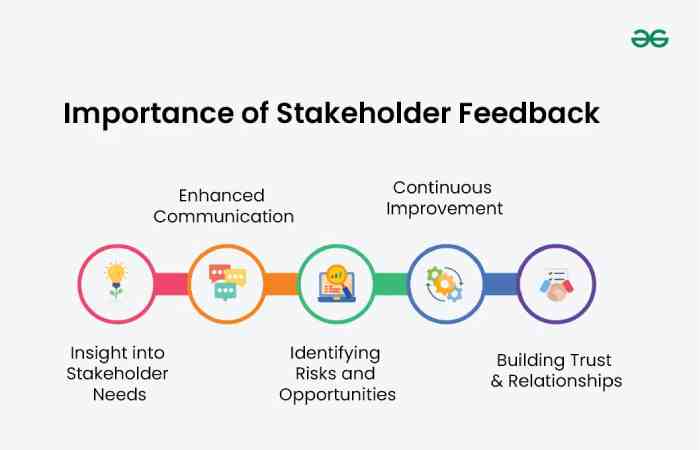
Stakeholder and community feedback has become one of the most valuable tools for organizations, nonprofits, governments, and businesses. Whether you are launching a new product, planning a community project, improving customer experience, or making policy decisions, feedback plays a powerful role in shaping outcomes. It helps you understand real needs, expectations, challenges, and concerns—insights you cannot get from assumptions or internal discussions alone.
When used correctly, stakeholder and community feedback can improve decision-making, strengthen trust, increase participation, and ensure the success of any project. This article breaks down how to gather, interpret, and leverage feedback effectively.
Why Stakeholder and Community Feedback Matters
Improves Decision-Making
Feedback from stakeholders—employees, customers, partners, investors—and community members ensures that decisions are informed by real data and lived experiences. Instead of guessing what people want, organizations can design solutions that meet actual needs.
Builds Stronger Relationships
When people feel heard, they feel valued. Gathering feedback shows stakeholders that their opinions matter. This builds trust, strengthens long-term relationships, and encourages continued involvement.
Increases Transparency and Accountability
Inviting feedback makes your organization more open and transparent. It signals that you are willing to listen, change, and take responsibility. This helps build credibility.
Drives Innovation and Improvement
Feedback often reveals gaps, pain points, or new ideas you may have overlooked. It helps improve products, services, policies, and processes.
Strengthens Community Impact
Community-centered projects succeed when the community actively contributes to planning and decision-making. Their insights help shape initiatives that are meaningful, sustainable, and impactful.
Types of Stakeholders and Community Members Involved
Internal Stakeholders
-
Employees
-
Managers
-
Leadership teams
-
Board members
Internal stakeholders often share operational insights and practical challenges.
External Stakeholders
-
Customers
-
Investors
-
Suppliers
-
Regulators
-
Partners
External stakeholders influence market demand, compliance, and profitability.
Community Members
-
Residents
-
Local organizations
-
Advocacy groups
-
Service users
-
Community leaders
Their feedback ensures that projects align with community needs, values, and expectations.
How to Collect Stakeholder and Community Feedback
Surveys and Questionnaires
Surveys are one of the most efficient ways to gather structured feedback from large groups. They help identify trends, measure satisfaction, and assess needs. Tools like Google Forms, SurveyMonkey, and Typeform make surveys easy to distribute.
Interviews and Focus Groups
Interviews help gather in-depth insights and personal experiences. Focus groups bring different perspectives together and encourage meaningful conversation.
Public Meetings and Community Forums
Town halls, workshops, and open forums allow community members to share ideas directly. These events foster dialogue, collaboration, and transparency.
Social Media and Online Platforms
Comments, messages, polls, and discussions on platforms like Facebook, Instagram, X, and LinkedIn offer real-time, unfiltered feedback.
Advisory Committees and Stakeholder Panels
Committees allow stakeholders to contribute regularly. They provide direct guidance and help organizations stay aligned with community or industry needs.
Suggestion Boxes and Hotlines
Traditional feedback tools—physical boxes, helplines, email addresses—still work well in many environments.
Observation and Field Visits
Observing how people use services or products gives insights that surveys cannot capture.
Best Practices for Effective Feedback Collection
Define the Purpose Clearly
Before collecting feedback, understand what you want to learn. Are you evaluating satisfaction? Testing new ideas? Reviewing performance? A clear purpose ensures you ask the right questions.
Choose the Right Methods
Use a combination of online and offline tools. Different groups prefer different methods, so using varied channels increases participation.
Ask Clear and Neutral Questions
Avoid leading questions. Use simple language to ensure everyone understands what you’re asking.
Ensure Inclusivity
Reach out to all groups, including underrepresented voices. Diversity leads to richer and more accurate insights.
Protect Privacy and Confidentiality
People share honestly when they feel safe. Be transparent about how their data will be used and stored.
How to Analyze and Interpret Feedback
Organize the Responses
Sort feedback into categories such as concerns, suggestions, compliments, and issues. This helps identify patterns.
Look for Trends and Recurring Themes
Pay attention to repeated comments. If many stakeholders mention the same issue, it requires attention.
Use Data Analytics Tools
Charts, graphs, and data visualizations help convert raw feedback into insights. Tools like Excel, Power BI, and Google Data Studio improve interpretation.
Identify Root Causes
Feedback often reveals symptoms of deeper issues. Use techniques like the “5 Whys” to identify root causes.
Differentiate Between Individual and Collective Feedback
Not every opinion represents a majority view. Distinguish between isolated comments and widespread concerns.
How to Use Feedback to Drive Action
Create an Action Plan
Turn feedback into clear actions:
-
What needs to be fixed?
-
Who is responsible?
-
What resources are required?
-
What is the timeline?
Prioritize High-Impact Areas
Not all feedback requires immediate action. Focus on issues that affect large groups or have long-term impact.
Make Data-Driven Improvements
Use insights to adjust strategies, redesign processes, or launch new solutions.
Communicate the Changes
This is the most important step. Let stakeholders know how their feedback was used. It strengthens trust and encourages future participation.
Monitor and Evaluate
After implementing changes, evaluate whether the improvements worked. Continue gathering feedback for ongoing refinement.
Leveraging Feedback for Different Purposes
Improving Products and Services
Feedback helps identify design flaws, customer expectations, and areas for improvement. Organizations can refine features, offer better support, and increase satisfaction.
Enhancing Community Programs
Community feedback ensures that programs are accessible, beneficial, and aligned with public needs. It guides resource allocation and program development.
Strengthening Employee Experience
Internal feedback reveals workplace challenges, morale issues, skill gaps, and growth opportunities. This leads to a stronger, more motivated workforce.
Boosting Policy Development and Government Planning
Government agencies often depend on community consultations to design effective policies. Feedback highlights public priorities, concerns, and solutions.
Improving Public Trust and Brand Image
When people see their input leading to real results, trust grows. This strengthens brand reputation, loyalty, and community relationships.
Challenges in Using Stakeholder and Community Feedback
Low Participation Rates
Not everyone responds to surveys or attends meetings. Incentives, reminders, and simple platforms can increase participation.
Biased or Incomplete Feedback
Some groups might dominate the conversation while others remain silent. Ensuring equal representation is crucial.
Misinterpretation of Data
Data without context can lead to wrong conclusions. Always combine qualitative and quantitative insights.
Lack of Follow-Through
Collecting feedback without action breaks trust. Organizations must implement changes and communicate results.
Resource Limitations
Collecting and analyzing feedback can be time-consuming. Tools, technology, and trained staff help streamline the process.
Technology’s Role in Feedback Management
Digital Survey Tools
Online tools make it easy to design, distribute, and analyze surveys.
Customer Feedback Platforms
Platforms like Zendesk, HubSpot, and Freshdesk collect real-time reviews, ratings, and complaints.
Community Engagement Apps
Apps allow community members to report issues, join discussions, and participate in polls.
AI-Powered Analytics
Artificial intelligence identifies patterns, sentiment, and trends in large volumes of feedback.
Dashboards for Stakeholder Reporting
Data dashboards visualize insights, making them easy to share with managers and communities.
Tips for Creating a Feedback-Friendly Culture
Be Open and Transparent
Encourage honest communication without judgment.
Reward Feedback Participation
Offer incentives, recognition, or public appreciation.
Train Teams on Listening Skills
Employees should know how to receive and respond to feedback respectfully.
Remove Barriers to Participation
Make feedback tools accessible to everyone, including those with disabilities or language barriers.
Real-World Examples of Successful Feedback Use
Businesses Improving Customer Experience
Companies like Amazon and Apple consistently use customer feedback to refine products, delivery methods, and support systems.
Governments Designing Community Programs
Public agencies rely on community input to design urban planning projects, healthcare programs, and education reforms.
Nonprofits Increasing Program Impact
NGOs use community needs assessments to deliver relevant services and improve program outcomes.
Final Thoughts
Leveraging stakeholder and community feedback is not a one-time activity—it’s an ongoing process that builds stronger relationships, improves decision-making, and ensures sustainable results. When organizations listen to the people they serve, they uncover valuable insights that help shape better products, services, programs, and policies.
By using the right tools, analyzing feedback thoughtfully, and taking meaningful action, organizations can transform feedback into long-lasting success. When people feel heard, they support your efforts more passionately, trust your processes, and engage more actively. Feedback is more than opinions—it is the backbone of effective leadership and community development.