


5 Great Inventory Control Methods & Management Techniques
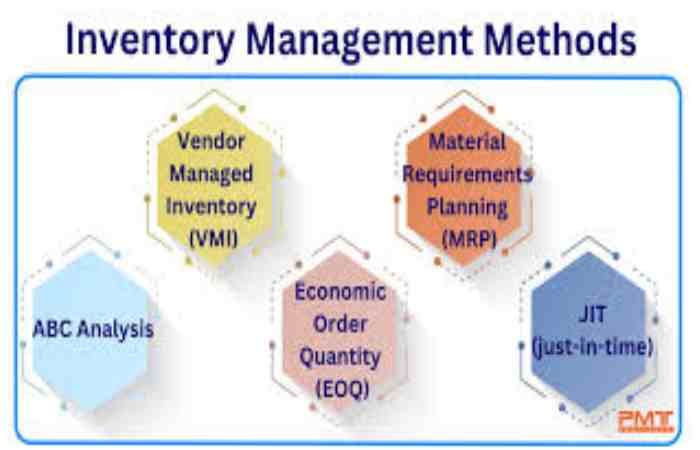
Managing inventory is one of the most critical parts of running a successful business. Whether you’re handling retail products, raw materials, or finished goods, the way you control stock directly affects your cash flow, customer satisfaction, and profitability. Poor inventory management can cause stockouts, overstocking, wastage, and unnecessary holding costs — all of which impact your bottom line.
That’s why understanding the best inventory control methods and management techniques is essential for staying competitive. This article breaks down five of the most effective inventory control methods, how they work, and when to use them for maximum efficiency.
Let’s dive in.
Why Inventory Control Matters
Before exploring the techniques, it’s important to understand why inventory control is so crucial in today’s business environment.
Reduces Operating Costs
Good inventory control helps you avoid excess stock, storage costs, and wastage. It balances everything to maintain the right amount of inventory.
Prevents Stockouts
Nothing frustrates customers more than out-of-stock products. Proper inventory methods ensure consistent product availability.
Enhances Customer Satisfaction
When products are available and delivered promptly, customer trust grows — leading to loyalty and repeat sales.
Improves Cash Flow
Holding too much inventory ties up capital. Proper management ensures that your money moves, not sits idle.
Streamlines Operations
Inventory control aligns purchasing, production, and sales, ensuring smooth business operations.
Now, let’s explore the five great inventory control methods and management techniques that can make a big difference.
1. Just-in-Time (JIT) Inventory Management
Just-in-Time is one of the most powerful inventory techniques used by top companies around the world.
What Is Just-in-Time?
Just-in-Time (JIT) is an inventory strategy where you order and receive goods only when you need them — not before. The goal is to reduce inventory holding costs and eliminate waste.
Instead of keeping products piled up in storage, JIT ensures that materials or goods arrive exactly when production or demand occurs.
Advantages of JIT
Lower Inventory Storage Costs
Since you only order what is needed, you save money on warehousing and storage.
Reduces Waste
JIT minimizes the risk of expired, outdated, or damaged inventory.
Improved Cash Flow
Your money isn’t tied up in excess stock. You only pay for materials when needed.
Cleaner and More Organized Operations
Low inventory levels reduce clutter and increase efficiency.
Disadvantages of JIT
Supplier Reliability Risk
If your suppliers fail to deliver on time, your production may stop.
No Safety Stock
There’s little room for demand fluctuations or emergencies.
Best For Businesses That:
-
Have fast-moving stock
-
Work with reliable suppliers
-
Want to minimize storage costs
-
Require lean operations
Examples: Electronics, automobile manufacturing, and fashion brands commonly use JIT.
2. ABC Analysis (Always Better Control)
ABC Analysis is a popular technique used to prioritize inventory items based on their importance and value.
What Is ABC Analysis?
This method classifies inventory into three categories:
Category A – High-Value, Low-Quantity Items
These are items that bring the most profit but are fewer in number. They need strong monitoring.
Category B – Moderate-Value, Medium-Quantity Items
These products are neither too expensive nor too cheap. They require medium control.
Category C – Low-Value, High-Quantity Items
These items contribute the least value but are large in number. Simple controls are used here.
Advantages of ABC Analysis
Focus on High-Value Items
Category A items get special attention since they matter the most for profits.
Better Inventory Planning
Different strategies are applied to each category, improving efficiency.
Reduces Inventory Costs
You avoid wasting resources on low-value items.
Disadvantages of ABC Analysis
Requires Regular Review
Products may shift categories over time.
Not Suitable for All Industries
Some businesses have items of equal value and can’t benefit from this method.
Best For Businesses That:
-
Sell products at varying price levels
-
Want to prioritize high-profit items
-
Need structured inventory planning
Retail stores, supermarkets, and eCommerce platforms commonly use ABC Analysis to manage thousands of items.
3. Economic Order Quantity (EOQ) Method
The EOQ model helps businesses determine the optimal quantity of inventory to order, reducing both ordering and holding costs.
What Is EOQ?
EOQ is a mathematical formula used to calculate the perfect amount of stock you should order to minimize costs. It ensures you order neither too much nor too little.
EOQ Formula:
EOQ = √(2DS / H)
Where:
-
D = Demand
-
S = Ordering cost
-
H = Holding cost
Advantages of EOQ
Reduces Total Inventory Cost
EOQ balances order size with holding cost to save money.
Avoids Overstocking
The model helps prevent purchasing excess inventory.
Avoids Stockouts
When used correctly, EOQ ensures you always have enough stock.
Disadvantages of EOQ
Assumes Predictable Demand
If demand suddenly increases or decreases, EOQ accuracy reduces.
Requires Accurate Data
Incorrect data leads to faulty calculations.
Best For Businesses That:
-
Have predictable demand
-
Want a scientific approach to inventory
-
Need to reduce order and storage costs
EOQ is widely used in manufacturing, wholesale, and distribution.
4. FIFO & LIFO Methods (Stock Rotation Techniques)
FIFO and LIFO are two essential inventory valuation and stock rotation methods that directly affect inventory accuracy and financial reporting.
What Is FIFO?
FIFO stands for First-In, First-Out. It means the oldest stock is sold first.
Advantages of FIFO
-
Ideal for perishable goods
-
Prevents spoilage and wastage
-
Reflects accurate inventory value in inflation
Best For:
Food industries, pharmaceuticals, cosmetics, and fast-moving consumer goods.
What Is LIFO?
LIFO stands for Last-In, First-Out. The newest stock is sold first, while older stock stays in inventory.
Advantages of LIFO
-
Saves money during inflation
-
Helps reduce taxable income
Disadvantages of LIFO
-
Older inventory may become obsolete
-
Not allowed in many countries for accounting
Best For:
Non-perishable products like building materials, metals, or chemicals.
FIFO and LIFO provide flexible ways to manage stock depending on industry needs.
5. Safety Stock & Reorder Point (ROP) Method
This method ensures that you have backup inventory to prevent stockouts.
What Is Safety Stock?
Safety stock is extra inventory kept as a buffer for unexpected demand or delays.
What Is Reorder Point (ROP)?
The ROP is the exact point at which you need to place a new order before stock runs out.
ROP Formula:
Reorder Point = (Average Daily Usage × Lead Time) + Safety Stock
Advantages of This Method
Prevents Stockouts
Even in emergencies, safety stock ensures uninterrupted supply.
Reduced Risks
Demand spikes, supplier delays, and inventory errors become manageable.
Increased Customer Satisfaction
Products stay available consistently.
Disadvantages of This Method
Higher Storage Costs
Keeping extra inventory requires more space.
Capital Tie-Up
Safety stock locks some amount of money in inventory.
Best For Businesses That:
-
Deal with fluctuating demand
-
Have multiple suppliers
-
Can’t afford stockouts
Examples include retail stores, healthcare supplies, and seasonal products.
Bonus Techniques to Strengthen Inventory Control
Barcode or RFID Tracking
Helps track inventory in real-time with high accuracy.
Inventory Management Software
Modern software automates tracking, forecasting, and reporting.
Cycle Counting
Regular, small counts help maintain accuracy without disrupting operations.
Demand Forecasting
Predicts future demand using data, trends, and historical insights.
Vendor Managed Inventory (VMI)
Suppliers manage your inventory levels directly.
These methods complement the five core techniques above.
How to Choose the Right Inventory Control Method
Identify Your Business Model
Retail stores, manufacturers, wholesalers, and eCommerce stores all require different techniques.
Analyze Demand Patterns
Stable demand works well with EOQ, while uncertain demand needs safety stock.
Consider Supplier Reliability
JIT only works if suppliers deliver consistently on time.
Evaluate Storage Costs
If warehousing is expensive, use lean methods like JIT.
Study Product Nature
Perishable items need FIFO, while durable goods may use LIFO or ABC Analysis.
Final Thoughts
Effective inventory control isn’t just about counting stock — it’s about balancing demand, supply, costs, and customer satisfaction. The five great inventory control methods and management techniques discussed in this article — JIT, ABC Analysis, EOQ, FIFO/LIFO, and Safety Stock with ROP — are proven strategies used by leading companies worldwide.
When you choose the right method based on your business needs, you gain:
-
Better efficiency
-
Lower costs
-
Higher customer satisfaction
-
Increased profits
-
Stronger decision-making
Inventory isn’t just a part of your business — it drives your business. Managing it well can transform how you operate and grow.