

Table of Contents
How to Create an Impressive Event Environment: Proven Strategies That Actually Work
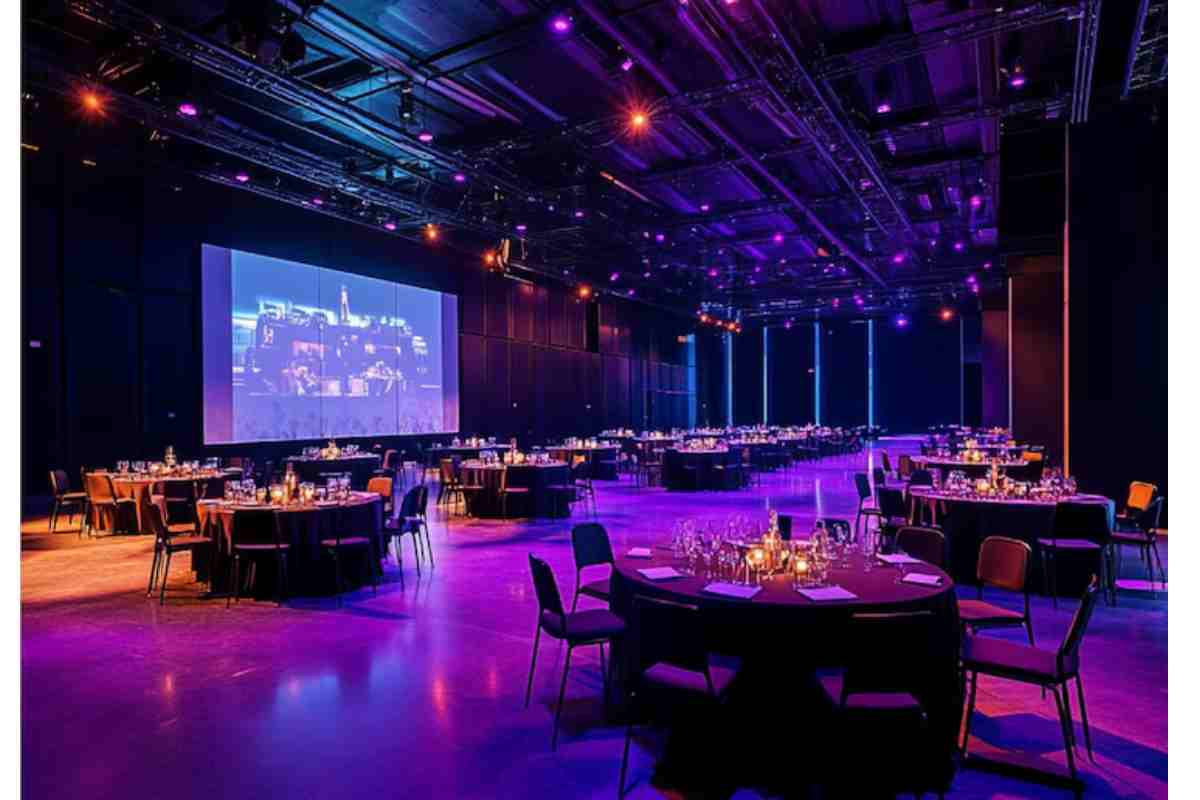
Creating an impressive event environment is not just about decoration—it’s about designing an experience that engages people emotionally, visually, and physically. Whether you’re hosting a corporate conference, product launch, wedding, or networking event, the environment directly influences how guests feel, interact, and remember the occasion. As your original article correctly noted, the environment “sets the tone for everything,” but simply mentioning lighting or décor is not enough—you need strategic planning and execution to truly stand out.
This guide goes beyond generic advice and explains practical, real-world strategies event planners and businesses use to create memorable environments that leave lasting impressions.
Start With a Clear Purpose and Guest Experience Strategy
The most successful events begin with a clearly defined purpose. Before choosing venues, lighting, or décor, you need to understand what outcome you want.
Ask yourself:
-
Is the goal to generate leads, celebrate, educate, or launch a product?
-
What type of audience will attend?
-
What emotion should guests feel—excitement, exclusivity, comfort, or inspiration?
For example:
-
A startup product launch should create excitement and innovation using modern visuals and interactive displays.
-
A corporate networking event should encourage conversation, using comfortable seating areas and calm lighting.
-
A luxury brand event should emphasize exclusivity through premium décor and controlled guest flow.
Every design decision should support your event’s purpose.
Choose a Venue That Enhances, Not Limits, Your Experience
The venue is not just a location—it’s a critical part of the experience.
Many successful events today choose venues that reinforce their brand identity.
Real-world examples:
-
Tech companies often use modern industrial spaces with LED screens and minimal design.
-
Luxury brands use high-end hotels or private venues to emphasize exclusivity.
-
Creative brands use unique locations like art galleries or rooftops.
Important factors to evaluate:
-
Accessibility and parking availability
-
Lighting conditions and layout flexibility
-
Sound quality and acoustics
-
Space for networking, seating, and movement
A poorly chosen venue can limit your event’s effectiveness.
Use Lighting Strategically to Control Mood and Attention
Lighting is one of the most powerful tools in event design because it directly affects perception and emotion.
Professional event planners use lighting to:
-
Highlight speakers or products
-
Create visual drama
-
Guide guest movement
-
Reinforce branding
For example:
-
Spotlighting a product makes it the focal point
-
Warm lighting creates comfort and relaxation
-
Cool lighting creates a modern, professional atmosphere
Apple product launches, for instance, use carefully controlled lighting to focus attention entirely on the product reveal.
Lighting is not decoration—it’s psychological design.
Use Visual Design to Reinforce Brand Identity
Strong visual design ensures your event aligns with your brand.
Effective visual strategies include:
-
Consistent color schemes matching your brand
-
Branded signage and digital displays
-
Custom stage designs
-
High-quality backdrops for photos
For example, corporate events often use branded walls so every guest photo promotes the company organically.
This increases visibility and marketing value.
Design the Space to Encourage Interaction
A successful event environment encourages guest participation.
Poor layouts create confusion and reduce engagement.
Effective layout strategies include:
-
Creating open networking areas
-
Separating presentation zones from social areas
-
Ensuring easy movement between sections
For example, major conferences use breakout areas where attendees can network comfortably between sessions.
This improves engagement and experience.
Use Sound Design to Enhance the Atmosphere
Sound influences how guests feel and interact.
Professional event planners carefully control:
-
Background music
-
Speaker quality
-
Volume levels
Examples:
-
Networking events use soft background music to encourage conversation
-
Product launches use dramatic music for product reveals
-
Corporate events use clear sound systems for presentations
Poor sound quality damages credibility and guest experience.
Sound must be planned professionally.
Add Interactive Elements to Increase Engagement
Modern events increasingly include interactive experiences.
These may include:
-
Live polls and audience participation
-
Interactive displays
-
Photo booths
-
Virtual or augmented reality demonstrations
Interactive elements increase engagement and make events more memorable.
For example, trade shows often use interactive demos to allow customers to experience products directly.
This improves conversion rates.
Focus on Comfort and Guest Flow
Guest comfort is essential for positive experiences.
Common mistakes include:
-
Overcrowded spaces
-
Poor temperature control
-
Lack of seating
Professional planners ensure:
-
Comfortable seating areas
-
Easy navigation
-
Clear signage
-
Accessible food and beverage areas
Comfort directly impacts how long guests stay and engage.
Use Sensory Elements to Create Emotional Impact
Successful events engage multiple senses.
Examples include:
-
Lighting (visual impact)
-
Music (emotional influence)
-
Scents (memory triggers)
-
Physical design (comfort)
These elements combine to create immersive experiences.
This improves guest satisfaction and memory retention.
Use Technology to Modernize the Experience
Technology enhances modern events significantly.
Common technologies include:
-
LED screens
-
Projection mapping
-
Live streaming
-
Digital registration systems
Technology improves efficiency and engagement.
It also creates modern, professional impressions.
Real Example: How Major Brands Use Event Environment Strategy
Large companies invest heavily in environment design.
For example:
-
Product launches use dramatic lighting and stage design
-
Corporate conferences use clear layouts for networking
-
Trade shows use interactive displays to attract visitors
These strategies increase engagement and brand impact.
Environment design directly affects success.
Common Mistakes That Reduce Event Impact
Avoid these common mistakes:
-
Poor lighting
-
Weak sound quality
-
Confusing layout
-
Lack of branding
-
Ignoring guest comfort
These mistakes reduce effectiveness.
Professional planning avoids these issues.
Benefits of Creating a Strong Event Environment
A well-designed event environment provides major benefits:
-
Higher guest engagement
-
Better brand perception
-
Improved networking opportunities
-
Increased marketing impact
-
Stronger emotional connection
These benefits improve overall event success.
Final Thoughts
Creating an impressive event environment requires more than decoration—it requires strategic planning, sensory design, and understanding guest psychology. From venue selection and lighting to interactive technology and layout design, every element should work together to support your event’s purpose. Businesses and planners who invest in thoughtful environment design create memorable experiences that improve engagement, strengthen brand perception, and deliver measurable results. A well-designed environment doesn’t just host an event—it creates an experience guests remember long after the event ends.