


Using Direct Mail to Improve Student Enrollment
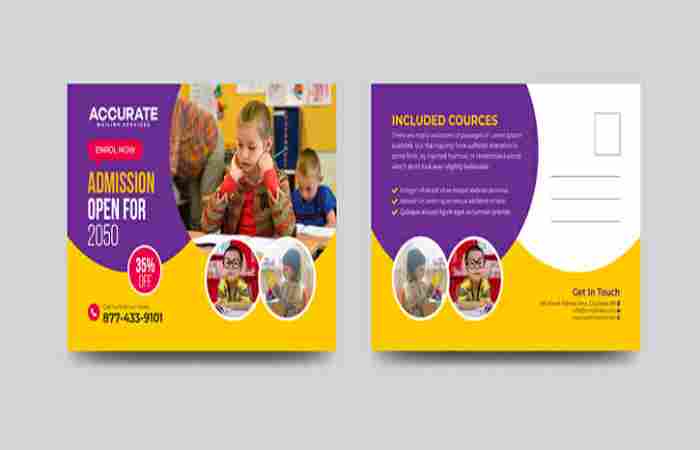
In a world dominated by digital ads and social media, it might surprise you that direct mail — yes, the good old-fashioned envelope in your mailbox — is making a strong comeback in student recruitment. Schools, colleges, and universities are rediscovering that using direct mail to improve student enrollment can be more personal, more engaging, and often more effective than endless emails or online ads.
If you’re an educational institution looking to boost enrollment rates and connect with potential students in a meaningful way, direct mail could be your secret weapon. Let’s explore how it works, why it’s still relevant, and how you can make it a powerful part of your student recruitment strategy.
Why Direct Mail Still Works in the Digital Age
It’s easy to assume that students, especially Gen Z, live entirely online. While digital marketing is important, there’s something special about receiving a personalized letter or postcard in your mailbox. In fact, studies show that direct mail has a higher open and response rate than email — and that makes a huge difference when you’re trying to get noticed.
Here’s why direct mail continues to perform:
1. Tangible and Memorable
A well-designed piece of mail stands out. Students and parents can physically hold it, pin it on a board, or keep it for later. It creates a real-world connection that a digital ad simply can’t match.
2. Less Competition
Everyone’s inbox is overloaded, but physical mailboxes? Not so much. Direct mail gives your school or college a better chance to be noticed.
3. Builds Trust
Printed materials often feel more credible. When parents or students receive a professional, high-quality letter or brochure, it signals that your institution is reputable and organized.
4. Multigenerational Appeal
While the student might be your target audience, parents often play a big role in enrollment decisions. Direct mail effectively reaches both audiences at once.
Understanding Direct Mail in the Context of Education
Before we get into strategies, let’s define what direct mail means in an educational context. Direct mail marketing refers to sending printed materials directly to potential students or parents via postal mail. These materials can include:
-
Brochures highlighting programs and campus life
-
Postcards promoting open houses or scholarship deadlines
-
Personalized acceptance letters
-
Flyers about summer courses or online programs
-
Booklets detailing financial aid options
The goal is simple: to encourage the recipient to take the next step — whether that’s visiting your website, signing up for a campus tour, or starting an application.
How Direct Mail Improves Student Enrollment
Let’s get into the heart of the topic — how using direct mail to improve student enrollment actually works in practice.
1. Creates a Personal Connection
Digital messages are easy to ignore. But when a student receives a letter with their name printed on it, it feels personal. You’re not just another school in their inbox — you’re reaching out directly.
Personalized mail can include:
-
Student’s name and location
-
Program suggestions based on interests
-
Customized campus visit invitations
This personal touch helps build an emotional connection, which is key in enrollment decisions.
2. Increases Event Attendance
Direct mail is particularly effective for promoting on-campus or virtual events like open houses, career fairs, or parent information sessions. A tangible invitation is far more engaging than a digital reminder.
Pro tip: Include a QR code on your postcard or flyer that links to the event registration page. It combines the best of both worlds — physical and digital.
3. Supports Your Digital Campaigns
The smartest schools use direct mail and digital marketing together. For example:
-
Send a postcard before your email campaign to warm up your audience.
-
Follow up a campus tour email with a printed thank-you letter.
-
Mail a scholarship brochure after a student downloads your online prospectus.
When digital and direct mail channels reinforce each other, engagement skyrockets.
4. Boosts Application Completion Rates
Many students start applications but never finish them. A physical reminder — like a letter encouraging them to complete their form or apply for financial aid — can nudge them back into action.
5. Keeps Your School Top-of-Mind
Direct mail lingers. A printed brochure may sit on a family’s kitchen counter or desk for weeks, keeping your school’s name visible long after they forget about that Instagram ad.
Creating a Successful Direct Mail Campaign
If you want to see real results, your direct mail campaign should be strategic, data-driven, and creative. Let’s break down how to do it step by step.
Step 1: Define Your Goals
Start by being clear about what you want to achieve:
-
Increase campus visit registrations
-
Boost enrollment in specific programs
-
Remind accepted students to confirm their spot
-
Promote financial aid opportunities
Each goal will influence the design, timing, and message of your mail.
Step 2: Segment Your Audience
Not all students are the same. Segment your mailing list based on criteria like:
-
Academic interests
-
Grade level (high school juniors vs. seniors)
-
Geography
-
Previous engagement (visited your site, downloaded a brochure, etc.)
Tailor your message to each segment for better response rates. For instance, a high school senior might get an “Apply Now” postcard, while a junior receives an invitation to a virtual info session.
Step 3: Craft a Compelling Message
Your message should answer three key questions:
-
Why this school?
-
Why now?
-
What should the recipient do next?
Keep it short, focused, and action-oriented. Include emotional hooks like “Join a vibrant student community” or “Discover your future career path at [Your School Name].”
Step 4: Design for Impact
Eye-catching design is everything. Use high-quality images of your campus, smiling students, or real classroom experiences. Choose colors consistent with your branding and make the call-to-action (CTA) pop.
Examples of strong CTAs:
-
“Reserve your spot today”
-
“Apply by December 15 for priority scholarships”
-
“Scan the QR code to tour our campus”
Step 5: Integrate with Digital Channels
Make your mail interactive by connecting it to digital platforms:
-
Add a QR code leading to a landing page or virtual tour.
-
Use personalized URLs (PURLs) so each student gets a custom webpage experience.
-
Include your social media handles to encourage online engagement.
This combination helps you track responses and measure ROI effectively.
Step 6: Measure and Analyze Results
After the campaign, track metrics such as:
-
Response rate (number of inquiries, event sign-ups, or applications)
-
Conversion rate (how many inquiries turned into enrollments)
-
ROI (revenue or tuition compared to campaign cost)
Analyzing this data helps refine future campaigns and identify what works best for your audience.
Best Practices for Educational Direct Mail Campaigns
To make your direct mail campaigns stand out, follow these proven tips:
1. Personalize Every Piece
Generic mail gets tossed aside. Use student data to personalize every message — name, location, program interest, or even scholarship eligibility.
2. Keep the Design Clean
Avoid cluttered layouts. Use readable fonts, vibrant photos, and clear calls to action.
3. Focus on Timing
Send your mail strategically:
-
Early fall: For next-year applicants
-
Winter: For accepted student reminders
-
Summer: For orientation and last-minute enrollment pushes
4. Offer Value
Give students a reason to respond — exclusive campus tours, early application perks, or scholarship information.
5. Don’t Forget the Parents
Parents are key decision-makers. Include messages that address affordability, safety, and future career opportunities.
Examples of Effective Direct Mail Campaigns in Education
Let’s look at a few real-world examples of how schools use direct mail to increase enrollment:
Example 1: The “You’re Invited” Postcard
A university sent glossy postcards inviting high school seniors to an open house. Each card featured a QR code linking to an RSVP form. Result: a 35% increase in event attendance compared to email-only campaigns.
Example 2: Personalized Acceptance Packages
Instead of sending generic emails, a college mailed custom acceptance letters with student names, program details, and campus photos. Students often shared these packages on social media, creating organic buzz and boosting brand visibility.
Example 3: Countdown Letters
A private school sent a series of three countdown letters reminding families of enrollment deadlines. Each one included a financial aid update, keeping the momentum alive — and leading to a 20% jump in enrollment.
Common Mistakes to Avoid
Even though direct mail is powerful, poor execution can hurt results. Avoid these pitfalls:
-
Sending generic or outdated messages
-
Failing to include a clear CTA
-
Not tracking responses
-
Overloading the design with too much text or imagery
-
Ignoring follow-up communication
Combining Direct Mail with Digital Strategies
The most successful enrollment campaigns use a multichannel approach. Here’s how you can align direct mail with digital outreach:
-
Follow up with emails after sending a postcard to remind recipients of your offer.
-
Retarget website visitors with digital ads after they scan your mail QR code.
-
Use SMS or chatbots to confirm event attendance from mailed invitations.
This synergy ensures you reach students wherever they are — offline and online.
The ROI of Direct Mail for Student Enrollment
While direct mail may seem costly compared to email, its return on investment (ROI) is often higher because of better engagement rates. For educational institutions, the value lies in quality conversions — students who actually apply and enroll.
According to marketing benchmarks:
-
Average response rate for direct mail: 4.4%
-
Average response rate for email: 0.12%
That’s a massive difference when every enrollment counts.
Conclusion
In a digital-first world, it’s easy to overlook traditional marketing methods. But as schools and colleges are rediscovering, using direct mail to improve student enrollment delivers real, measurable results. It cuts through digital noise, creates genuine connections, and drives students to take action.
When done right — with personalization, creative design, and smart integration with digital campaigns — direct mail can transform how institutions attract and engage new students. So the next time you plan your enrollment strategy, don’t just think pixels and screens. Think paper, ink, and the power of a message that lands right in someone’s hands.