

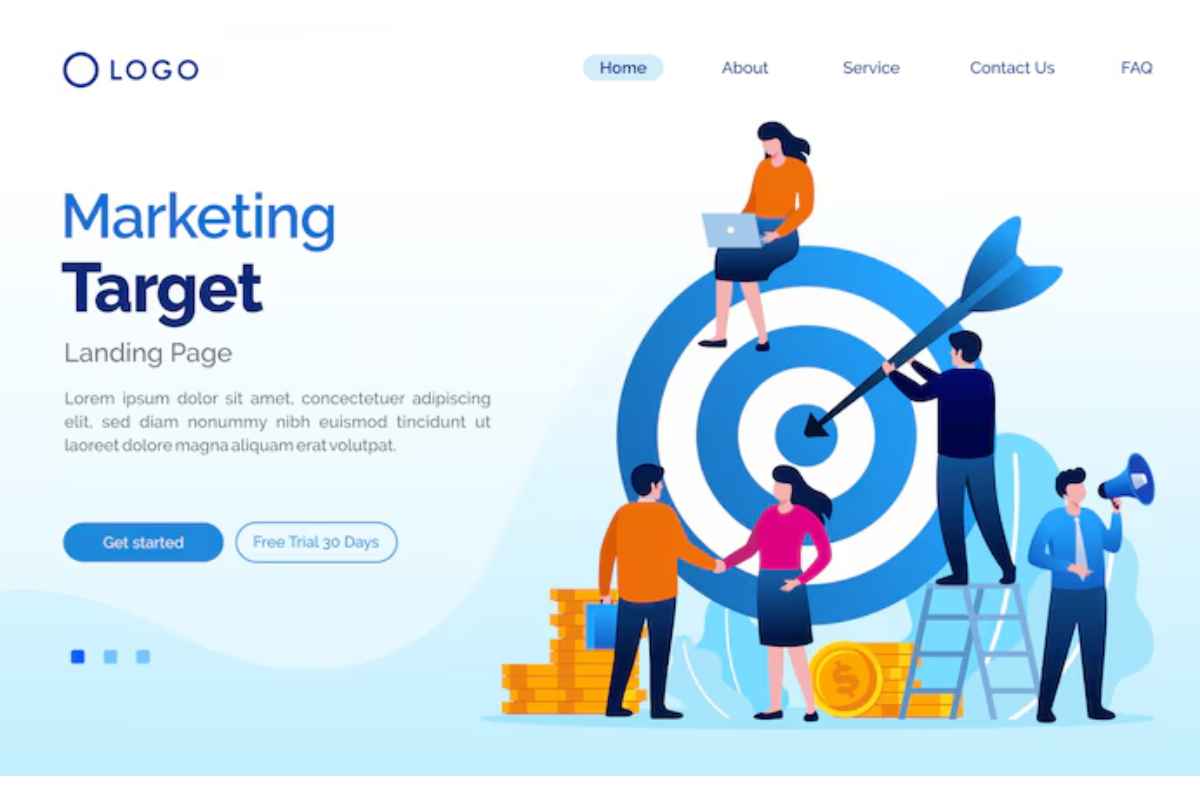
What is a Target Market?
When organizations begin their marketing initiatives, they often fall into this trap. They market themselves to everyone. Initially, it sounds like a logical concept since the greater number of people translates to more potential customers.
However, the truth is that most marketing campaigns do not function that way.
People have interests, means of finance, lifestyle, and purchase behavior. While a certain product may suit a particular group of people, it does not necessarily appeal to other people.
This is the reason why successful organizations concentrate on defining their target market rather than targeting everybody.
Target market assists firms in identifying their customers and understanding how they interact with a business. This type of customer information can also help companies organize their marketing activities and use business tools such as Acfox more effectively.
-
What they need
What they want
What they can afford
How they like to purchase
Target market makes it easy for them to conduct marketing activities effectively.
They can customize their marketing messages, products, and services according to the requirements of their target market.
In this way, companies can improve their chances of success.
They can build relationships, with their customers.
They can make sales.
- Who their ideal customers are
- What those customers need
How do they make their purchasing decisions?
Where businesses should concentrate their marketing efforts
The lack of a target market often leads businesses into spending unnecessary time and money on advertising that won’t bring them any sales.
For any business whether it is offline, online, or international, having the right target market plays a significant role.
What Is Target Market?
Target market refers to a particular group of individuals that a business intends to sell its goods or services to.
Such individuals normally have certain similarities in:
- Age
- Gender
- Income level
- Interests
- Lifestyle
- Location
- Buying behavior
Instead of marketing randomly, businesses focus on the people most likely to purchase from them.
Simple Example of a Target Market
A company selling luxury watches may target:
- High-income professionals
- Adults aged 30–55
- Customers interested in premium products
On the other hand, a budget-friendly clothing brand may target:
- Students
- Young shoppers
- Price-conscious buyers
Both companies sell products, but their audiences are completely different.
That’s the basic idea behind target market selection.
Why Is a Target Market Important?
One of the biggest reasons target markets matter is because marketing becomes much more effective when businesses understand exactly who they are speaking to. A well-planned marketing hub can bring useful customer information, campaign resources, and marketing activities together in one place.
Without a target market:
- Advertising becomes unfocused
- Marketing budgets get wasted
- Customer engagement stays low
- Sales become harder to increase
Businesses that understand their audience usually create stronger campaigns and better customer experiences.
Main Benefits of Identifying a Target Market
| Benefit | Why It Matters |
|---|---|
| Better marketing | Ads reach the right people |
| Higher sales potential | Customers are more interested |
| Lower advertising costs | Less wasted spending |
| Stronger customer relationships | Better understanding of needs |
| Improved product development | Products match customer demand |
In simple terms, knowing your audience helps businesses market smarter.
Difference Between Target Market and Target Audience
Many people think these two terms mean exactly the same thing, but there’s a small difference.
Target Market
The broader group of people a business wants to reach.
Example:
People interested in fitness and healthy lifestyles.
Target Audience
A more specific group targeted for a particular campaign or advertisement.
Example:
Women aged 25–35 interested in yoga clothing.
The target audience is usually narrower and more campaign-specific.
Types of Target Markets
Businesses identify target markets in different ways depending on their goals and products.
Demographic Target Market
Demographic targeting focuses on measurable characteristics.
Common Demographic Factors
- Age
- Gender
- Income
- Education
- Occupation
- Marital status
Example
A luxury car company may target:
- Professionals
- Ages 35–55
- High-income customers
Demographic targeting is one of the most commonly used marketing methods because it’s simple and practical.
Geographic Target Market
Geographic targeting focuses on location.
Businesses may target customers based on:
- Country
- City
- Region
- Climate
- Urban or rural areas
Example
A winter clothing company will naturally focus more on colder regions.
Restaurants and local businesses especially depend heavily on geographic targeting.
Psychographic Target Market
Psychographics focus on:
- Lifestyle
- Personality
- Interests
- Values
- Hobbies
This type of targeting helps businesses understand how customers think and what motivates them.
Example
An environmentally friendly brand can consider as its target market the following categories of people:
Customers who care about environment
People who care about sustainability
Natural product consumers
Psychographic targeting is known to build better emotional ties with customers.
Behavioral Target Market
Behavioral targeting deals with customer behavior and purchasing behavior.
- This includes
Buying behavior
Brand loyalty
Purchasing frequency
Usage of the product
Internet activities
Example
Streaming sites suggest videos according to the viewer’s behavioral pattern.
How Businesses Identify Their Target Market
Finding the right target market requires research and observation.
Businesses usually study:
- Existing customers
- Competitors
- Industry trends
- Customer behavior
- Market demand
For companies operating across different countries, access to global resources can also support market research and help them understand customers in different regions.
Questions asked during Target Market research by business owners
Some of the questions include:
Who is most likely to purchase this product?
What does this product solve?
Who are the age groups that need this product?
What is the budget of the customer?
Where are the potential customers found online?
What are the interests or lifestyles that suit the product?
For example, a company selling a specialized product such as a vacuum leak tester needs to understand which industries and customers regularly require this type of equipment.
Effect of Target Markets in making advertising more effective
When a company knows its customers, then advertising becomes far much better than before. A business can create detailed educational content, whether it is a short explanation or a longer 1000-word article, that addresses the questions and interests of its target customers.
Examples of target markets in real life
Nike
Nike mainly targets:
- Athletes
- Fitness enthusiasts
- Sports-focused consumers
Its marketing usually focuses on:
- Motivation
- Performance
- Active lifestyles
Apple
Apple often targets customers who value:
- Premium technology
- Design
- Innovation
- User experience
Their audience frequently includes:
- Professionals
- Creatives
- Tech-savvy consumers
McDonald’s
McDonald’s serves a broad audience but often targets:
- Families
- Young consumers
- Budget-conscious customers
Different campaigns are designed for different customer groups.
Common Mistakes Businesses Make
Many businesses struggle because they fail to define their target market properly.
Common Target Market Mistakes
- Trying to target everyone
- Ignoring customer research
- Making assumptions without data
- Using generic marketing messages
Target Market and Digital Marketing
Digital marketing has made audience targeting more powerful than ever before.
Platforms like:
- Google Ads
- YouTube
- TikTok
Businesses can also use advertising management and campaign tools such as AdEspresso to organize campaigns and reach more specific customer groups.
Companies can now target users based on:
- Interests
- Online behavior
- Search history
- Location
- Age
- Buying patterns
This makes modern advertising much more personalized.
Can a Business Have Multiple Target Markets?
Yes, many businesses target multiple audiences.
For example:
A clothing brand may target:
- Teenagers
- Working professionals
- Fitness enthusiasts
However, each audience usually requires different marketing messages and strategies.
Why Understanding Customers Matters Most
At the center of every successful target market strategy is customer understanding.
Businesses that truly understand their customers usually:
- Build stronger brands
- Create better products
- Improve customer experiences
- Increase customer loyalty
Marketing becomes much easier when businesses know exactly who they are trying to help.
Final Thoughts
So you want to know about a target market. Well it is really simple. A target market is a group of people who will probably buy the things a company sells.
When a company knows who their target market is they can make plans to sell their products or services. They do not try to sell to everyone. That is a waste of time. They focus on the people who really want what they have to offer. This way they can make their marketing better. Their customers happier.
A small company or a big company. It does not matter. If they know who their target market is they can save money. Talk to their customers in a better way. They can also make their customers happy, for a time.
These days companies really need to know who their target market is. It is not something they can ignore. Knowing their target market is a part of selling things successfully. A company needs to know their target market to sell their products or services.
.