


What is a Cohort?
A cohort is a group of users or customers who share a common characteristic during a specific period of time. In marketing and data analysis, cohort analysis helps businesses understand customer behavior by tracking how different groups interact with a product or service over time.
For example, a company might analyze all users who signed up in January and compare their behavior with users who joined in February. This allows businesses to identify trends, improve retention, and make better marketing decisions.
What are the impacts of Cohort?
In populace science, just birth companions alluded to as “Cohorts”; B. the 2003 vintage.
- Practical examples
- Charts or tables explaining cohorts
- Marketing use cases
- Real analytics tools (Google Analytics, Mixpanel, Amplitude)
- An accomplice ought to consistently allude to a comparable social condition. Contrasts that exist between various associates and can hence follow back to the presence of various social and natural impacts allude to as “Cohort impacts.”
- In the fantastic Cohort, innovation is an experimental examination, are analyzed in the accomplice at repeating interims for specific attributes, (z. B. psychological improvement).
- A correlation with different partners is likewise conceivable with this technique (for example, the examination of specific qualities of the 1990 vintage accomplice to the 1960 vintage associate).
What is Cohort Strength?
The partner quality, the number of individuals from a companion, is significant. For example, when gotten some information about the flexibility of the intergenerational contract.
As the Cohort of supporters of benefits protection has been losing quality comparable to the accomplice of annuity beneficiaries in late decades.
And also, budgetary issues in financing benefits are getting progressively typical.
Simple Example of a Cohort
Consider a mobile app that tracks users based on the month they joined:
| Cohort Group | Number of Users | Month Joined |
|---|---|---|
| January Cohort | 500 users | January |
| February Cohort | 620 users | February |
| March Cohort | 580 users | March |
By analyzing these groups separately, businesses can see whether new users are becoming more engaged or leaving the platform quickly.
What are the issues of Cohort Analysis?
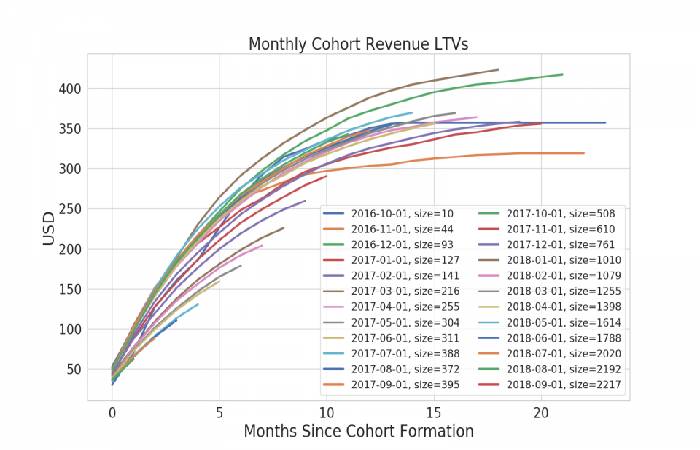
Types of Cohorts
There are several types of cohorts used in data analysis and marketing. Each type helps businesses understand different aspects of user behavior.
1. Acquisition Cohorts
Acquisition cohorts group users based on when they first joined or signed up.
For example:
-
Users who signed up in January
-
Users who signed up in February
-
Users who signed up in March
This type of cohort helps businesses measure customer retention and engagement over time.
2. Behavioral Cohorts
Behavioral cohorts group users based on actions they perform within a product or service.
Examples include:
-
Users who watched a specific video
-
Customers who purchased a certain product
-
Users who clicked a specific feature
Behavioral cohorts help businesses understand how users interact with their product.
3. Demographic Cohorts
Demographic cohorts group users based on personal characteristics such as:
-
Age
-
Gender
-
Location
-
Occupation
This type of analysis helps businesses tailor marketing campaigns for different customer groups.
What Is Cohort Analysis?
Cohort analysis is a method used to study how different groups of users behave over time. Instead of analyzing all users together, analysts break them into cohorts and compare their behavior.
This method allows businesses to track metrics such as:
-
Customer retention
-
User engagement
-
Revenue growth
-
Churn rate
Example of Cohort Analysis
A SaaS company tracks users who signed up each month.
| Cohort | Month 1 Active | Month 2 Active | Month 3 Active |
|---|---|---|---|
| January | 100% | 70% | 50% |
| February | 100% | 75% | 60% |
| March | 100% | 80% | 68% |
From this data, the company can see that newer cohorts are retaining more users, indicating improvements in the product or onboarding process.