


Best Practices for Conducting Structured Interviews
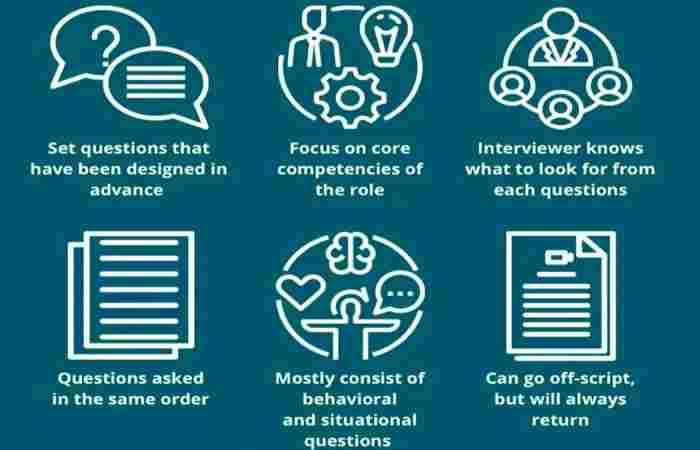
When it comes to hiring the right talent, consistency and fairness are everything. That’s where structured interviews come in. Unlike casual, unplanned conversations, structured interviews use a standardized format to evaluate every candidate equally.
If you’ve ever struggled with biased or inconsistent hiring results, this guide will walk you through the best practices for conducting structured interviews—so you can make smarter, data-backed hiring decisions.
What Are Structured Interviews?
A structured interview is a hiring method where all candidates are asked the same set of questions in the same order, and their answers are rated based on a consistent scoring system.
Why Structured Interviews Are Better
-
Fairness: Everyone gets equal treatment.
-
Accuracy: Reduces subjectivity and emotional bias.
-
Efficiency: Makes comparing candidates easier.
-
Accountability: Keeps your hiring process transparent and legally defensible.
In short, structured interviews bring order, clarity, and professionalism to your recruitment process.
Step 1: Define the Role and Core Competencies
Before writing any interview questions, you must understand what makes someone succeed in the role. A strong foundation ensures your questions actually measure what matters.
How to Do It Right
-
Review the job description. Focus on must-have technical skills, soft skills, and experience.
-
Consult the team. Ask current employees or managers what traits define success in that role.
-
Identify key competencies. Examples: problem-solving, communication, adaptability, or leadership.
When you know what you’re looking for, your interview questions will be sharper, and your decisions will be clearer.
Step 2: Design Structured and Relevant Questions
Questions are the backbone of a structured interview. The goal is to evaluate how candidates think, act, and handle job-related challenges.
Types of Questions to Include
1. Behavioral Questions
These explore how a candidate has behaved in past situations.
Example:
“Tell me about a time when you had to manage a difficult client. What did you do?”
This helps assess real-world problem-solving and emotional intelligence.
2. Situational Questions
These test how a candidate would handle a hypothetical scenario.
Example:
“If a project deadline was suddenly moved up, how would you adjust your priorities?”
This reveals adaptability and time management skills.
3. Technical or Role-Specific Questions
These check for job-related knowledge or hands-on experience.
Example:
“What’s your process for debugging complex software issues?”
This ensures the candidate actually has the expertise they claim.
4. Cultural Fit Questions
These gauge alignment with company values and team dynamics.
Example:
“How do you stay motivated when working on repetitive tasks?”
By balancing these question types, you’ll get a 360° view of each applicant’s ability and fit.
Step 3: Create a Clear Rating Scale
The key difference between structured and unstructured interviews lies in evaluation. With structured interviews, every answer gets rated objectively.
Example Rating Scale
| Score | Description | Example |
|---|---|---|
| 1 | Poor | Didn’t answer or gave vague response |
| 3 | Good | Answered clearly but lacked depth |
| 5 | Excellent | Gave detailed, job-relevant example with clear outcome |
Best Practices
-
Define what each score means before the interview.
-
Share the same rubric with all interviewers.
-
Encourage interviewers to write notes supporting each score.
This ensures fairness and makes your hiring decisions defendable and data-driven.
Step 4: Train Your Interview Panel
Even the best system fails if interviewers don’t know how to use it. Proper training ensures consistency across the board.
What Interviewers Should Learn
-
The purpose of structured interviews and why sticking to the script matters.
-
Avoiding bias, such as judging based on first impressions or similarities.
-
How to take notes objectively and use the rating scale properly.
Example:
If one interviewer values confidence while another prioritizes politeness, their scores may vary. Training aligns everyone’s evaluation criteria to focus on evidence—not opinions.
Step 5: Standardize the Interview Process
The more consistent the process, the more reliable your results. Candidates should go through nearly identical experiences.
How to Keep It Consistent
-
Ask the same questions in the same order.
-
Give each candidate equal time to respond.
-
Avoid ad-libbing or asking extra questions unless necessary for clarification.
-
Maintain a calm, neutral tone throughout.
This uniformity ensures that differences in scores reflect true performance, not inconsistent questioning.
Step 6: Document and Score Immediately
Memory fades fast. To avoid biased recollections, score candidates immediately after each interview.
Pro Tips
-
Record notes directly on your scoring sheet.
-
If multiple interviewers are present, score individually first, then discuss as a group.
-
Keep records for accountability and future reference.
Documenting responses also helps you provide feedback later and maintain compliance with fair hiring laws.
Step 7: Eliminate Bias and Maintain Fairness
Even structured interviews aren’t immune to bias—but they can drastically reduce it if done right.
Ways to Minimize Bias
-
Use diverse panels. Mix genders, backgrounds, and departments.
-
Avoid assumptions. Focus on what candidates say, not how they look or sound.
-
Be aware of cognitive traps. Such as the halo effect (“They’re confident, so they must be capable”) or confirmation bias (“I liked them from the start”).
Bonus Tip:
Consider blind scoring—hide candidate names or resumes during evaluation. This helps focus purely on the quality of answers.
Step 8: Compare Scores Objectively
After all interviews, gather and analyze the data. This is where structured interviews truly shine.
How to Compare Candidates
-
Use average scores to rank candidates.
-
Look for consistent strengths across categories.
-
Discuss any score discrepancies among interviewers.
-
Avoid premature decisions—wait until every candidate is assessed.
By using data instead of gut feelings, you’ll make more confident and defensible hiring choices.
Step 9: Provide Feedback to Candidates
Structured interviews make it easier to provide meaningful feedback, whether or not a candidate is hired.
How to Offer Constructive Feedback
-
Be specific: Reference particular answers or examples.
-
Be balanced: Highlight both strengths and areas for improvement.
-
Be professional: Show appreciation for their time and effort.
Example:
“Your example about team collaboration showed great initiative. In future interviews, you might focus on quantifying your results to demonstrate impact.”
Positive feedback helps maintain a good reputation and keeps potential future hires interested.
Step 10: Continuously Review and Improve
A structured interview process isn’t static. Over time, tweak and refine it based on results.
How to Improve Over Time
-
Analyze performance: Did high scorers actually perform well on the job?
-
Gather feedback: Ask interviewers and candidates how the process felt.
-
Update questions: Add or remove questions based on what predicts success.
-
Stay current: Align your process with evolving job roles and industry standards.
Continuous improvement keeps your interview strategy sharp, effective, and aligned with company goals.
Common Mistakes to Avoid in Structured Interviews
Even experienced HR teams can stumble. Watch out for these common pitfalls:
1. Deviating from the Script
Adding random questions breaks consistency. Stick to your planned structure.
2. Skipping Score Justification
Scores mean little without reasoning. Always include notes for context.
3. Overloading the Interview
Too many questions or too much detail can overwhelm both you and the candidate.
4. Ignoring Candidate Experience
Structured doesn’t mean robotic—maintain a friendly tone to keep candidates comfortable.
5. Not Reviewing the Process Regularly
Hiring needs change; your interview format should evolve too.
Benefits of Structured Interviews
To wrap up, here’s what makes structured interviews worth the effort:
-
Higher accuracy: Better prediction of job success.
-
Fair hiring: Reduced discrimination and bias.
-
Time efficiency: Easier comparison between candidates.
-
Legal protection: Documented, transparent process.
-
Enhanced reputation: Candidates perceive your company as professional and ethical.
Final Thoughts
Conducting structured interviews may take planning and discipline, but the payoff is huge. You’ll make better decisions, avoid costly hiring mistakes, and promote a culture of fairness.
When you follow these best practices for conducting structured interviews—from defining clear competencies to training interviewers and standardizing scoring—you’re not just filling roles. You’re building a stronger, smarter organization.