

Back Draft Damper Write for Us
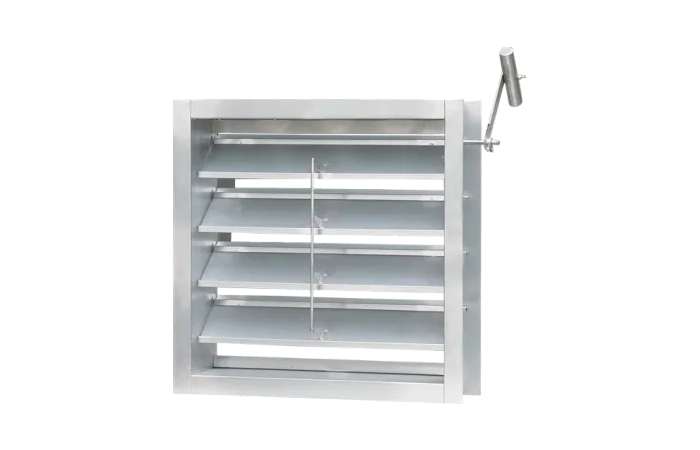
In HVAC systems, a backdraft damper plays a crucial role in controlling airflow, preventing unwanted reverse airflow, and improving energy efficiency. Whether you’re installing new ductwork or upgrading an existing ventilation system, understanding how backdraft dampers work and why they matter can help you optimize comfort and performance.
This guide explains what a backdraft damper is, how it functions, its key benefits, types, installation tips, and how to choose the best option for your application.
What Is a Back Draft Damper?
A back draft damper (also called a backflow damper or non-return damper) is a mechanical component installed in HVAC ductwork to allow airflow in only one direction. When air flows in the intended direction, the damper opens. If the air tries to reverse, the damper closes to block backflow.
This simple device improves indoor comfort and keeps systems operating efficiently by preventing unwanted air infiltration.
How Back Draft Dampers Work
1. One-Way Airflow Control
Back draft dampers feature movable blades or flaps that respond to airflow pressure.
- Positive airflow: pushes the blades open.
- Reverse pressure: forces the blades closed.
2. Passive Operation
Most dampers use gravity, springs, or counterweights to return the blades to a closed position when airflow stops or reverses.
3. Minimal Resistance
High-quality dampers are designed to open fully with minimal airflow and close tightly to prevent leakage.
Why Back Draft Dampers Are Important
Improved HVAC Efficiency
Back draft dampers prevent cooled or heated air from escaping when systems are off, reducing energy waste and lowering utility bills.
Enhanced Indoor Comfort
By blocking drafts, these dampers help maintain consistent indoor temperatures and reduce discomfort from erratic airflow.
Prevention of Odor and Pollution Backflow
In commercial kitchens, bathrooms, and industrial spaces, backdraft dampers prevent smells, smoke, and contaminants from re-entering occupied areas.
Protects Equipment
Unwanted reverse airflow can stress fans, motors, and duct components. Back draft dampers safeguard against wear and tear.
Types of Back Draft Dampers
1. Gravity Back Draft Damper
Uses weighted blades that close by gravity when airflow stops.
Best for: Residential and low-pressure systems.
2. Spring-Loaded Back Draft Damper
Incorporates springs to ensure quick closure and tighter sealing.
Best for: Commercial ducts and variable airflow conditions.
3. Motorized Back Draft Damper
Equipped with an actuator for precise control via building automation or HVAC controls.
Best for: Smart HVAC systems with airflow automation.
4. Back Draft Dampers with Seals
Damper blades include rubber or silicone seals to restrict leakage further.
Best for: High efficiency or strict energy code requirements.
Where Back Draft Dampers Are Used
Residential HVAC Systems
Protect living spaces from drafts and outdoor pollutants, especially in climates with extreme temperature swings.
Commercial Buildings
Used in office HVAC systems, schools, hospitals, and retail spaces to optimize airflow and keep indoor air quality high.
Kitchen Exhaust Systems
Prevent contaminated air or grease-laden fumes from returning to kitchen areas.
Industrial Ventilation
Control airflow in factories, warehouses, and process ventilation systems.
How to Choose the Right Back Draft Damper
Match Damper Size to Duct Diameter
Proper sizing ensures effective performance and prevents noise or airflow restriction.
Consider Air Velocity and Pressure
Choose dampers rated for the specific airflow conditions of your system.
Check Seal Quality
For improved efficiency, look for dampers with tight sealing—especially in conditioned spaces.
Evaluate Material and Environment
Aluminum and galvanized steel work well in HVAC systems, while stainless steel is ideal in corrosive or high-moisture environments.
How to Submit Your Articles?
To submit guest posts, please study the guidelines mentioned below. You can contact us by filling out the website contact form or by emailing contact@marketing2business.com
Why Write for Marketing2Business – Back Draft Damper Write For Us
- If you write to us, your business is targeted, and the consumer can read your article; you can have massive exposure.
- This will help in building relationships with your beleaguered audience.
- If you write for us, make your brand obvious and convey worldly.
- Our presence is also on social media, and we share your article there.
- You can link back to your website in the article, which adds SEO value to your website.
Article Guidelines on Marketing2Business Back Draft Damper Write For Us
- The author cannot republish their guest post content on any other website.
- Your article or post should be unique, not copied or published anywhere else on another website.
- The author cannot republish their guest post content on any other website.
- You cannot add any affiliate code, advertisements, or referral links are not allowed to articles.
- High-quality articles will be published, and poor-quality papers will be rejected.
- An article must be more than 800 words.
- You can send your article to contact@marketing2business.com
Search Terms Related to Back Draft Damper Write for us
- British English
- Burning
- Fire
- Oxygen
- Firefighters
- Flashover
- Hydrocarbons
- Pyrolysis
- Combustion
- particulate matter
- auto-ignite
- pressure
- ventilate
- flammability limit
- autoignition temperature
- arsonis
Search Terms for Back Draft Damper Write For Us
Backdraft fire Write for us
Guest Post Back draft design meaning
Contribute Backdraft meaning
Backdraft fire example Submit post
Become a blogger at Tuned mass damper
Submit post on Backdraft vs flashover
You can send your article to contact@marketing2business.com