

Metrics for SaaS Funnel: Everything You Need to Know about Measuring SaaS Growth
SaaS Funnel Metrics—Even if a SaaS company receives thousands of visitors to its website, dozens of leads to start using its software, and many sign-ups, getting actual paying customers might become a big problem. And the problem could be rooted somewhere along the customer’s path. This is where SaaS funnel metrics come into play.
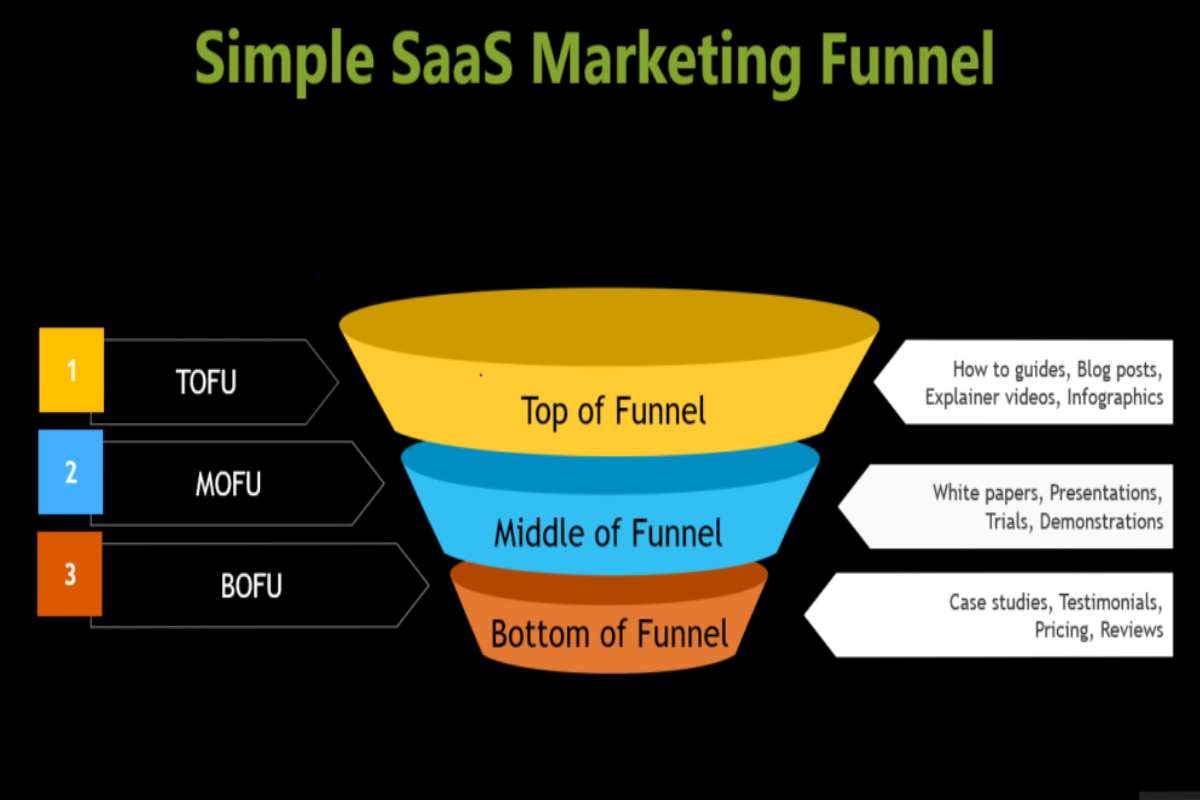
A SaaS funnel is the path that a prospect takes while discovering the software solution, becoming a signed-up user, active user, paying client, and, finally, staying loyal to the business. By measuring these stages, it is possible to understand where the potential client loses the interest in the product and where the improvements should be made to get more income.
Unlike the traditional sales funnel, the SaaS funnel does not come to an end after the sale process is completed. The key reason for that is the need of SaaS companies to track performance in terms of retention, expansion, and engagement.
What Are SaaS Funnel Metrics?
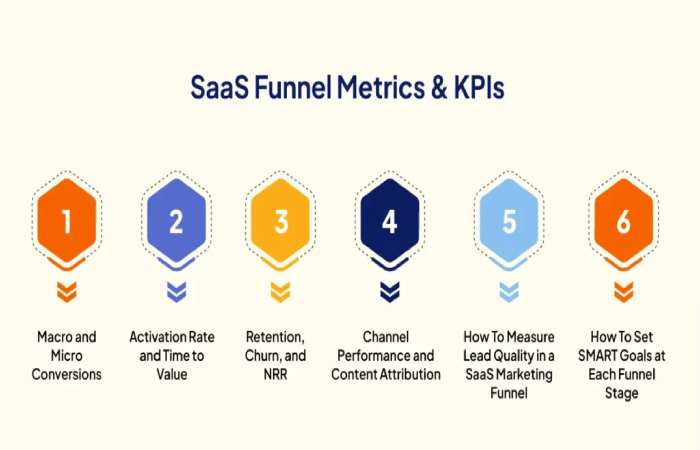
SaaS funnel metrics are measurements used to evaluate how effectively a software-as-a-service company moves prospects through different stages of the customer journey.
These metrics can show:
- Number of people finding out about the product
- Number of people turning into leads
- Number of people who opt for trial or demo
- Number of people becoming activated users
- Number of people becoming customers
- Cost of acquiring customers
- Duration of customer subscription
- Value retention or growth
The precise funnel would vary based on whether the company is following the free trial model, freemium, product-led growth model, sales-led model, or a mixture of these models.
Why Do SaaS Funnel Metrics Matter?
Just focusing on revenue or total customer count will not help a SaaS company understand where growth is coming from and where customers are lost.
For instance, a company may have high website traffic but very low product sign-up rates. The issue might lie in the landing page, pricing messaging, or call-to-action for this company.
A company with a lot of trials but with poor trial to paid conversion rates has issues with onboarding, product value proposition, pricing, or customer activation.
Identifying problems becomes easier when each stage is monitored individually.
SaaS metrics should be analyzed in context too. These metrics impact one another, thus considering only one metric can be misleading.
Major Stages of SaaS Funnel
Whereas all the SaaS companies follow a slightly different customer journey, most funnels have common features including:
1. Stage One – Awareness
The first stage is usually when the prospect realizes the company.
Common sources include:
- Organic search
- Paid advertising
- Social media
- Referral traffic
- Content marketing
- Webinars
- Partner marketing
Key metrics for this stage are website traffic, sources of website traffic, engagement levels, and lead generation.
High traffic levels are not necessarily a good thing. It is important to focus on the relevance of traffic levels as opposed to traffic volumes alone.
2. Lead Generation
The next stage measures how many visitors show interest in the product.
A visitor may become a lead by:
- Filling out a contact form
- Downloading a resource
- Requesting a demo
- Joining a webinar
- Starting a free trial
- Creating an account
This will assist businesses in assessing how well their marketing strategies can convert the site visitor into a potential customer.
3. Registration or Free Trial
Most SaaS products give prospects the ability to register and try out the product even before making any payment.
Useful metrics at this stage include:
- Sign-up rate
- Trial-start rate
- Cost per lead
- Cost per trial
- Trial activation rate
However, getting someone to register is just step one. Having a lot of dormant accounts doesn’t necessarily mean you are growing healthily.
4. Activation Rate
The concept of activation reflects whether a new user reached a certain milestone, meaning they are actually experiencing the benefits of the product.
For example, an email marketing platform could use sending the first campaign as the point of activation. In turn, a project management platform could activate a user when they create their project and invite a colleague.
The formula for this indicator would be as follows:
Activation Rate = Activated Users / Total New Users * 100
This metric can be considered one of the most useful product indicators that pay attention to the activity of users rather than registration.
It is clear that the organization needs to analyze the onboarding process when the number of sign-ups goes up, but the activation rate drops.
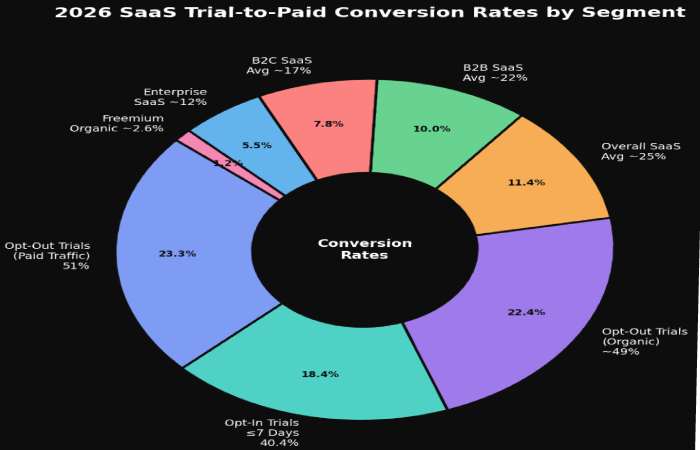
5. Trial to Paid Conversion Rate
This metric is applicable only to SaaS organizations providing trial offers to attract new users.
Trial to Paid Conversion Rate = Paying Users / Total Trial Users * 100
Conclusion
SaaS funnel metrics provide an insight into the whole customer experience from the first contact through the website to the income from subscriptions. Rather than relying on one metric, firms can analyze each step of the process and learn where their prospects fail and where customers benefit from their solution.
The best strategy here would be the integration of all five key metrics: acquisition, activation, conversion, revenue, and retention. Once they understand the link between the two metrics, companies will possess sufficient knowledge about how to make their decisions concerning marketing, sales, onboarding, pricing, and product development.
Creating a proper SaaS funnel is not only about creating reports; it is a tool which helps to find methods of growing. Note: SaaS metrics formulas and reporting definitions may differ across various organizations. Use consistent definitions while comparing time periods, sources, and customer cohorts.