

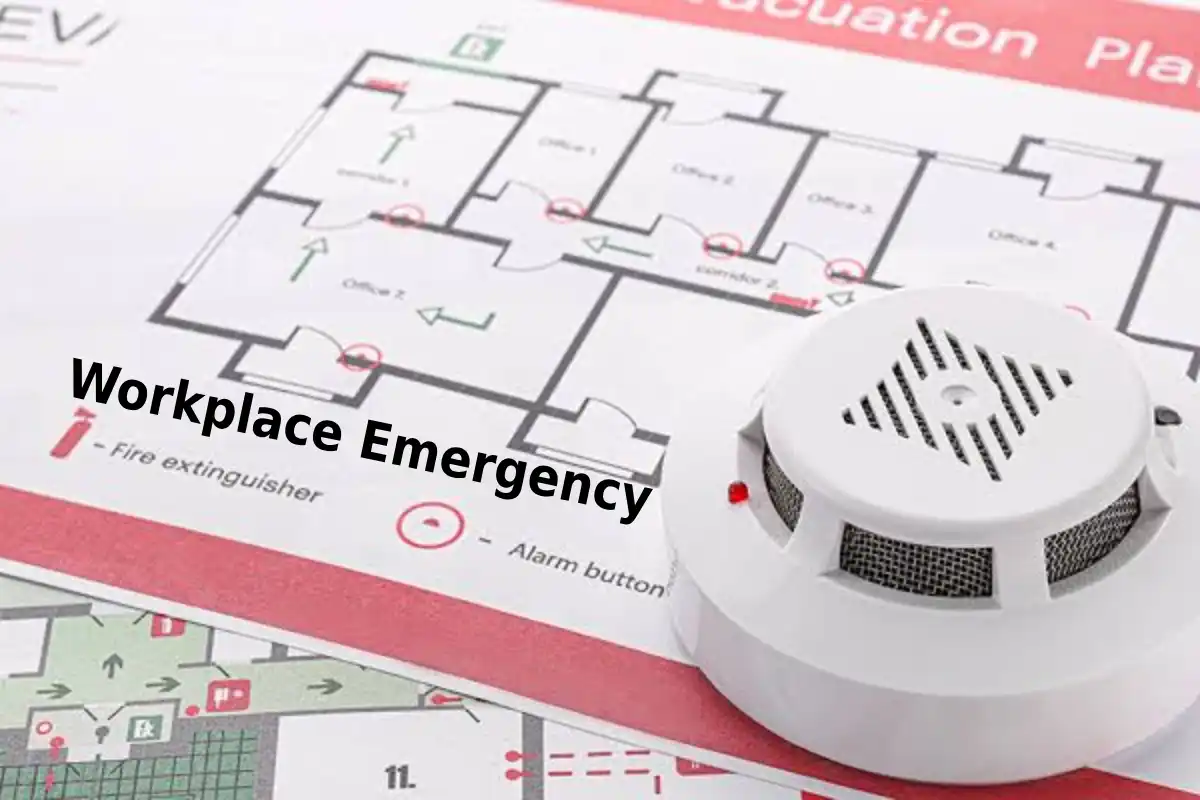
An emergency action plan can look comprehensive on paper and still fail when people actually need it. The difference between a useful plan and a document that simply satisfies an administrative requirement is whether employees can understand it, remember it and put it into action under pressure.
For US employers developing or reviewing a plan, understanding OSHA emergency action plan requirements provides an important starting point. Under 29 CFR 1910.38, an emergency action plan must address areas including reporting emergencies, evacuation procedures, employees who remain to operate critical processes, accounting for employees after evacuation, rescue or medical duties and the people employees can contact for further information.
Those requirements provide the framework. Building a genuinely effective plan means thinking carefully about how each element will work in a real workplace when normal routines have suddenly disappeared.
Start With One Simple Question: Who Does What?
Emergencies create uncertainty, so an effective plan should remove as much uncertainty as possible before an incident occurs.
Employees need to know who has the authority to activate emergency procedures, who contacts emergency services, who coordinates an evacuation and who takes responsibility for specific areas of the workplace. Understanding OSHA emergency action plan requirements can help employers establish this structure by identifying the key procedures and responsibilities that should be addressed before an emergency occurs.
There may also be employees with specialist responsibilities. Some workplaces, for example, may require trained personnel to shut down critical equipment before evacuating. Others may designate employees to perform medical duties or assist colleagues during an evacuation.
OSHA requires employers to designate and train employees to help with safe and orderly evacuations. Its guidance also recommends establishing clear authority so employees know who is coordinating the emergency response.
The exact structure will depend on the workplace. A small office may only need a handful of clearly assigned responsibilities, while a large manufacturing facility, warehouse or multi-story workplace could require coordinators, floor wardens, deputies and specialist teams.
Whatever the size of the organization, responsibilities should be specific enough that employees are not asking “Who’s dealing with this?” after an alarm has already sounded.
Communication Has to Work Under Pressure
The next piece is communication.
An emergency action plan should clearly explain how employees report an emergency and how everyone else will be warned. OSHA requires procedures for reporting fires and other emergencies, while employers using an alarm system under relevant OSHA standards must ensure it provides the necessary warning or reaction time.
The practical challenge is making communication simple.
Imagine an employee notices smoke coming from an electrical room. Should they activate a manual alarm? Call an internal emergency number? Contact a manager? Call 911?
The employee should already know.
Communication must also reach everyone who could be affected. Depending on the workplace, relying exclusively on an audible alarm might not be enough. OSHA’s guidance notes that alarms should be capable of being heard, seen or otherwise perceived by everyone in the affected workplace.
Organizations should also consider what happens if their normal communication channel fails. Alternative methods can provide valuable resilience if telephone, internet or internal communication systems become unavailable during an incident.
Evacuation Is More Than Finding the Nearest Exit
Most employees understand the basic idea of evacuation: leave the building and go somewhere safe.
An effective emergency action plan needs to go considerably further.
Employees should know when evacuation is necessary, who can order it, which routes they should use, and where they should assemble afterward.
OSHA requires emergency evacuation procedures to include the type of evacuation and exit route assignments. Its additional guidance recommends considering circumstances where sheltering in place may be more appropriate, establishing a clear chain of command and planning how visitors and employees who require assistance will evacuate.
Alternative routes matter too.
The exit an employee normally uses might be blocked by smoke, fire, structural damage or another hazard. Employees should therefore understand their alternatives rather than relying entirely on familiar routines.
OSHA advises employees to know pathways to at least two alternative exits from workplace areas.
The evacuation plan should also reflect the real building. Routes that appear logical on a diagram may be less practical when hundreds of employees attempt to use them simultaneously.
Accountability Answers the Question: Is Everyone Out?
Getting people through the exits is only part of a successful evacuation.
The organization then needs to determine whether everybody has actually reached safety.
OSHA requires emergency action plans to contain procedures for accounting for employees after evacuation.
A designated assembly point provides somewhere for employees to gather, but simply having a meeting location does not automatically create an effective accountability system.
Someone needs responsibility for establishing who is present and identifying anybody who may be missing.
OSHA suggests approaches such as taking a head count, identifying the names and last known locations of missing people and passing this information to the official in charge. Procedures should also account for non-employees such as customers, suppliers and contractors.
That last point can easily be overlooked.
Many workplaces contain more people than their employee list suggests. Contractors, delivery drivers, customers, temporary workers and visitors may all be present when an emergency occurs.
An accountability process needs to reflect the people who are actually in the workplace, not merely those on the permanent payroll.
Employees Who Need Assistance Should Be Part of the Plan
Emergency planning should account for the fact that employees and visitors may have different needs during an evacuation.
A person with limited mobility may require assistance. Someone with a hearing impairment may need a visual or alternative warning. A visitor may have no knowledge of the building layout. A new employee may not yet instinctively know where to assemble.
These situations should be considered before an emergency.
For high-rise workplaces, for example, OSHA recommends identifying people with disabilities or other special needs who may require evacuation assistance and assigning personnel, including backups, to help them.
Backup arrangements are particularly important. A plan that depends entirely on one specific employee being present is vulnerable the moment that person is working remotely, on holiday or absent.
Effective planning therefore considers both primary responsibilities and what happens when the first option is unavailable.
Training Turns the Document Into a Capability
Even a well-written emergency plan has limited value if employees have never read it or practiced what it contains.
OSHA requires employers to review an emergency action plan with covered employees when the plan is developed or when an employee is initially assigned to a job, when responsibilities change and whenever the plan itself changes.
But effective preparation can go further than simply reading the document.
Employees should recognize alarm signals, know evacuation routes, understand where assembly points are and know who has emergency responsibilities.
Drills can then reveal problems that were not obvious during planning.
Perhaps employees automatically head towards the entrance they use every morning instead of their designated emergency exit. Maybe an assembly point is too small. Perhaps a department takes too long to account for its staff, or workers cannot hear an alarm in a noisy part of the building.
Finding those problems during an exercise gives an organization an opportunity to correct them before a genuine emergency exposes them.
The Plan Needs to Change When the Workplace Changes
Emergency action plans should not become static documents that are created once and forgotten.
Workplaces constantly evolve. Employees leave, new people join, departments relocate, equipment changes, buildings are refurbished and working patterns shift.
Each change can affect the emergency plan.
A new partition wall might alter an evacuation route. A hybrid working policy could mean fewer trained wardens are present on particular days. New machinery might introduce different shutdown requirements. Changes to staffing could make an old accountability procedure unreliable.
Organizations can also use drills, exercises and real incidents as opportunities to identify weaknesses. Emergency planning is more useful when treated as an ongoing operational process rather than a compliance document that only receives attention during an audit.