

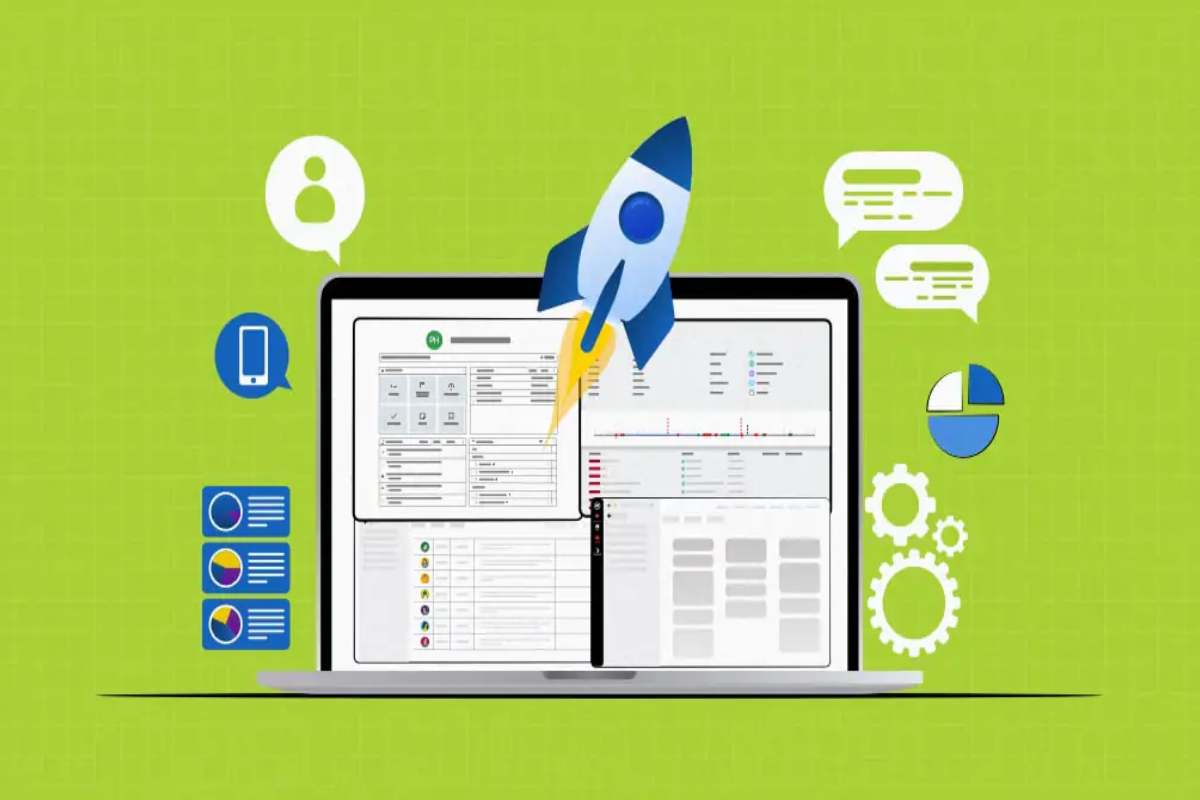
Business Productivity and Project Management Hub – Running a business is not about selling things or doing jobs for people. It is about having systems in place to help your company work well. Every successful company has things like workflows, people who get things done projects that are organized, and clear ideas of what they want to achieve. As companies get bigger it gets harder to manage everything that needs to be done every day. You have to meet deadlines your team gets bigger customers expect more and projects get more complicated. If you do not have a system people may not get as much done people may not talk to each other as well and you may miss out on good opportunities.
A business productivity and project management hub is like a place that helps keep everything in a business organized. It combines things like planning working together managing tasks making workflows better and tracking how well things are going. Of using lots of different documents sending lots of emails back and forth or having separate processes businesses can use one system that helps teams work together and get projects done smoothly.
Whether you are starting a business running a small business or in charge of a business that is growing, getting better at getting things done and managing projects can help you work more efficiently save money and have long term success. This guide will tell you everything you need to know about creating a business where people can get things done while managing projects from start to finish.
What Is a Business Productivity and Project Management Hub?
A business productivity and project management hub is a system that helps businesses organize tasks manage projects improve communication, and track progress all in one place. It does not separate getting things done and managing projects. Instead combines them into one workflow that helps businesses grow.
The main goal is to make sure employees know what they are supposed to do projects are finished on time resources are used well and the goals of the business are what everyone is working towards.
A productivity hub is not about using software or digital tools. It is also about having processes written down standards, for communication ways to measure how well things are going teams working together and planning for the future. All these things together create a business where work gets done efficiently without sacrificing quality.
Why Business Productivity Matters
Business productivity is really important for a company. It shows how well a company is doing overall. Companies that always try to get better at business productivity can serve their customers well control their costs and deal with changes in the market.
Business productivity is not just about making employees work hours. It is about getting rid of tasks that are not needed making workflows simpler making communication better and making sure that everything employees do is good for the company.
When a company is productive things get done on time people work well together customers are happy. The firm earns more money. They are not stressed because they have systems that make their jobs easy.
Firms that take interest in business productivity will develop fast. Still be stable.
The Relationship Between Business Productivity and Project Management
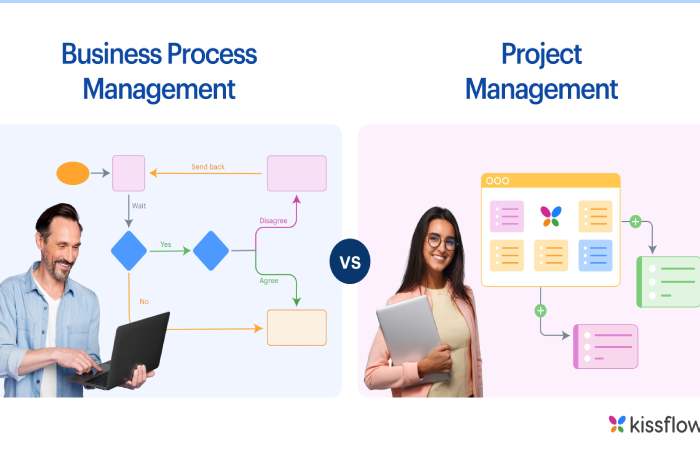
Business productivity and project management are connected. Business productivity is about getting work done efficiently and project management is, about planning organizing and completing work to meet goals.
If a company does not manage projects well very productive employees might work on the wrong things. If employees are not productive good project planning will not work either.
When a company combines business productivity and project management it can finish projects on time. Use its resources well.
For instance, when firms introduce a new product, there is need for involvement of marketing, finance, operation, design and customer support departments. Project management is used in coordination of all these activities whereas productivity is used to make sure all departments do their jobs efficiently.
Benefits of Building a Business Productivity Hub
Creating a business productivity hub that is structured provides a lot of advantages that go beyond one project.
A business productivity hub like this helps in the run.
Better Time Management
When we have organized workflows, employees can focus on work. They do not have to react to requests all the time.
This means time is used in a way and we have fewer missed deadlines for our business productivity hub.
We can manage time effectively with a business productivity hub.
Improved Team Collaboration
When everyone in our business productivity hub follows the processes and communication standards working together becomes easier.
Team members in our business productivity hub know what they have to do. Can work with colleagues easily.
Faster Project Delivery
- With workflows our business productivity hub can avoid delays.
- Delays are often caused by confusion or poor communication in our business productivity hub.
- Our business productivity hub can complete projects efficiently from start to finish.
Increased Employee Satisfaction
- Employees are happy when they know what to expect from our business productivity hub.
- When our business productivity hub removes obstacles employees are more motivated.
- A productive work environment in our business productivity hub helps employees grow professionally.
Higher Customer Satisfaction
- Our business can respond quickly to customer needs with a business productivity hub.
- We can deliver products on time. Provide good service quality with our business productivity hub.
- This makes customers happy, with our business productivity hub.
Stronger Business Performance
A business productivity hub helps our business perform better.
Higher productivity means our business can make money by reducing costs and improving output in our business productivity hub.
Essential Components of a Business Productivity and Project Management Hub
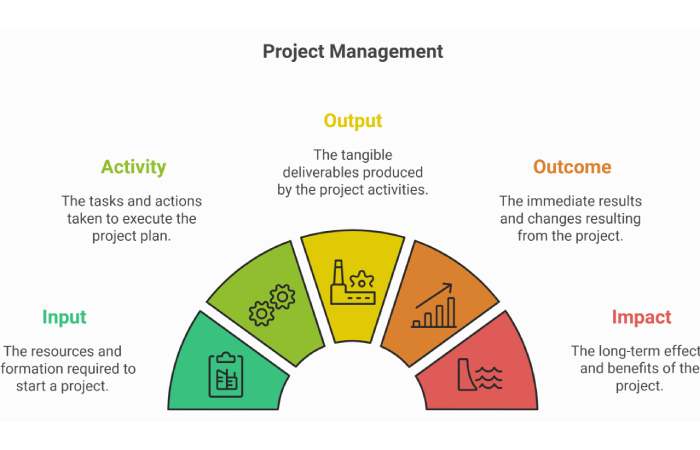
A successful productivity system consists of several interconnected components that support daily operations and long-term business objectives.
Goal Setting
Every good business starts with ideas of what they want to do. The people who work for the company should know what the company is trying to achieve and how their own work helps the company get there.
The company should have things they want to achieve. These things should be easy to measure possible to do, important to the company. Have a deadline.
For example of saying “we want to sell more things” the company should say “we want to sell 15 percent more things every month for the next six months”.
Having ideas of what they want to do helps the company stay on track and work on things that really matter.
Task Management
The company needs to organize the work into tasks that people can handle. Each task should have a person, in charge and a deadline.
- Effective task management includes:
- Defining individual tasks
- Assigning ownership
- Setting priorities
- Establishing deadlines
- Tracking progress
- Reviewing completed work
Workflow Management
The way work moves through a company is what we call a workflow.
For example when a customer places an order a lot of people are involved like the sales team, the finance team, the people, in charge of inventory the shipping team and the customer support team. If the workflow is well planned each team can do their job quickly. Then pass it on to the next team. When you write down how the work should be done it cuts down on confusion. Makes things more consistent.
Communication
Talking to each other clearly is what keeps projects going.
- Businesses should set up ways for people to talk to each other about:
- Project updates
- Team discussions
- Customer interactions
- Progress reporting
- Problem resolution
Open communication encourages collaboration while reducing misunderstandings.
The Process of Project Management Life Cycle
Each good project is managed in a certain way throughout its life cycle.
Project Initiation
The initiation stage defines the purpose of the project.
During this phase, businesses identify:
- Business objectives
- Expected outcomes
- Project scope
- Stakeholders
- Initial budget
- Success criteria
A clear project foundation improves planning and reduces uncertainty.
Project Planning
Planning is often the most important stage of project management.
This phase includes:
- Creating schedules
- Allocating resources
- Identifying risks
- Developing budgets
- Assigning responsibilities
- Defining milestones
Project Execution
Execution is where the plan becomes action. Employees do the tasks they are given while managers make sure everything runs smoothly watch how things are going and fix problems that come up. Execution works well when people talk to each other clearly work together as a team and have leaders.
Project Monitoring
People watch the project from start to finish. Managers compare what is actually happening to what was planned looking at how things take how much they cost how good they are and what resources are used. Watching the project regularly helps find problems before they become issues.
Building High-Performance Teams
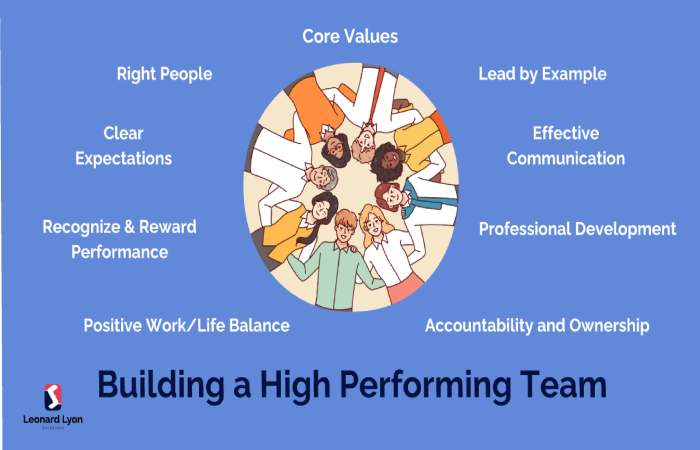
A business does well when the people who work there do well. With good processes and technology it is hard to succeed for a long time without a team that works together and wants to do a good job. To make a team you need to make a place where people feel good about their work and can do their best.
Good businesses help their employees get better by teaching them things helping them learn all the time and giving them chances to move up. When employees know what the company wants and how their work helps they care more. Want to do a good job. Good leaders know that trust. Talking to each other are important. They listen to what employees say recognize when they do a job and make a workplace where people feel good.
Strategies for Building Strong Teams
To make a team business should:
- Help people work together across the company.
- Teach employees things and help them get better.
- Say thank you to employees when they do a job and celebrate when they succeed.
- Make a place where people take responsibility and try to get all the time.
Time Management Techniques, for Business Success
Time is something you cannot get back. Using time well helps businesses do more and reduces stress.
Of trying to do everything at once good businesses do the things that are most important first.
Prioritize High-Impact Work
Not every task is equally important. Do the things that help the business make money make customers happy or meet its goals first.
Plan Each Day
Starting the day with a list of things to do helps employees stay focused and not get distracted.
Set Realistic Deadlines
Expecting much can make the work not as good and make employees tired. Try to be flexible when making schedules.
Minimize Interruptions
Getting notices all the time having meetings, and doing many things at once reduce concentration. Help employees work without interruptions when they need to.
Schedule Regular Reviews
Meeting once a week helps teams look at what they have done plan what to do and find problems before they become big issues.
Resource Management is Really Important
We have a lot of resources like our employees, money, equipment, technology, materials and time. If we manage these resources well our projects will be finished on time. We will not spend too much money.
If we do not manage our resources well our employees will get too tired we will miss our deadlines spend much money and not get as much work done.
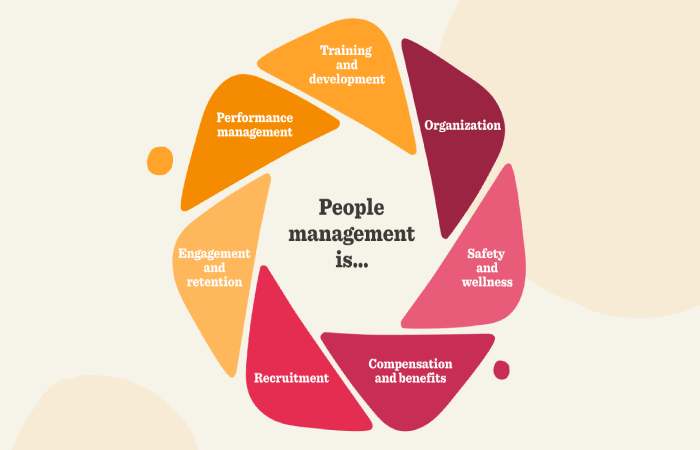
How to Manage Our People
We need to give our employees work that they are good at and that they have time to do. We should not give much work to our best employees and we need to make sure everyone has a fair amount of work to do.
What Our Customers Think
We need to measure how well we are doing by looking at what our customers think.
This includes things like:
- How happy our customers are
- How many customers come back to us
- How often customers buy from us again
- How money we get from each customer over time
- How likely our customers are to tell their friends about us
How Well Our Employees Are Doing
We need to measure how well our employees are doing to see if they are getting their work done.
This includes things like:
- How much our employees like their jobs
- How many employees finish their training? Productivity per employee
- Staff retention rate
- Absenteeism rate
The monitoring of such KPIs enables businesses to recognize their strong points, rectify weak points and take decisions based on solid facts for the purpose of sustained growth.
Conclusion
In order to establish a successful enterprise, one needs not just good ideas but also efficiency and good project management along with proper organization of things. This is where a business productivity and project management hub can prove to be very beneficial.