


B2B Sales Engagement Trends Shaping the Future of Business Growth
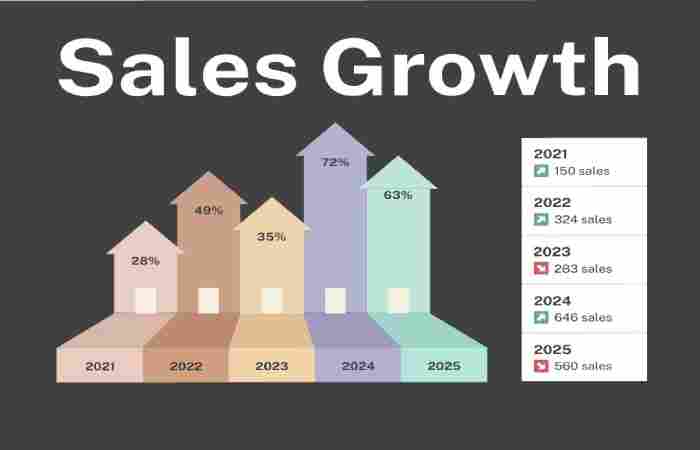
The world of B2B sales has changed dramatically over the last few years. Gone are the days when cold calls and long email threads were enough to close deals. Today, decision-makers expect personalization, digital convenience, and authentic engagement at every stage of their buying journey.
That’s why keeping up with the latest B2B sales engagement trends isn’t just optional — it’s essential for staying competitive. In this article, I’ll break down the top 3 trends transforming B2B sales engagement in 2025, how they work, and how you can leverage them to grow your business faster.
Why B2B Sales Engagement Matters More Than Ever
Before diving into the trends, let’s clear one thing up: sales engagement isn’t the same as sales enablement.
-
Sales enablement is about giving your team the tools and resources they need.
-
Sales engagement focuses on how your team actually interacts with prospects and customers — across calls, emails, social media, and every digital touchpoint.
In other words, sales engagement is the human connection between your brand and your buyers.
And in today’s hyper-digital world, that connection needs to be personalized, data-driven, and consistent. That’s where these three game-changing trends come in.
Trend #1: AI-Powered Personalization Is Redefining B2B Engagement
Artificial Intelligence (AI) has completely reshaped how sales teams interact with prospects. What used to take hours — researching leads, writing tailored emails, analyzing data — can now be done in seconds with AI-driven tools.
a. Smarter Lead Insights
AI platforms like HubSpot AI, Salesforce Einstein, and Outreach now analyze thousands of data points to give sales reps deep insights into each prospect.
They can:
-
Predict which leads are most likely to convert
-
Identify when prospects are most active or responsive
-
Suggest the best time and channel to reach out
That means reps don’t have to waste time on low-value leads. Instead, they can focus on high-intent prospects — boosting efficiency and closing rates.
b. Personalized Outreach at Scale
AI tools are also helping sales teams personalize messages at scale.
For example, tools like Lavender, Clay, or Apollo AI analyze a prospect’s LinkedIn profile, website activity, or company updates to auto-generate tailored email templates that sound human and relevant.
This goes way beyond using a person’s first name — it’s about crafting a message that speaks to their unique pain points, goals, and challenges.
c. Predictive Analytics for Smarter Decisions
AI doesn’t just react — it predicts. Predictive analytics tools can forecast which accounts are likely to churn, which prospects are ready to buy, and which campaigns will perform best.
That allows sales teams to move from being reactive to strategically proactive.
Key takeaway:
AI-powered personalization makes every interaction smarter, faster, and more meaningful — helping B2B companies build trust and close deals faster than ever.
Trend #2: Omnichannel Engagement Is Now the Standard
If there’s one thing modern buyers hate, it’s disjointed communication. They might see an ad on LinkedIn, read a blog, chat with a rep on WhatsApp, and then receive a follow-up email — and they expect all those touchpoints to feel connected.
That’s where omnichannel engagement comes in — one of the biggest B2B sales engagement trends driving success in 2025.
a. What Is Omnichannel Engagement?
Omnichannel engagement means connecting with prospects seamlessly across multiple channels — email, social media, phone calls, chatbots, events, and websites — with consistent messaging and personalization.
It’s not about being everywhere; it’s about being strategically present where your customers are most active.
b. Why It Matters
Today’s B2B buyers don’t rely on one source for information. According to Gartner, the average B2B buying journey involves 6–10 decision-makers who each consult 5+ different channels.
If your brand isn’t delivering a consistent experience across those channels, you risk losing credibility and trust.
c. How Companies Are Using It
Forward-thinking businesses use automation and CRM integrations to create unified engagement. For example:
-
LinkedIn + Email Sync: A rep engages a prospect on LinkedIn and follows up automatically via email.
-
Chatbots + CRM Integration: Website chatbots capture visitor info and instantly sync with sales tools like Salesforce.
-
Video + Personalized Follow-ups: A prospect watches a webinar, and an automated system sends them a personalized thank-you email with next-step content.
d. Social Selling as a Core Channel
Social media — especially LinkedIn — has become a core part of omnichannel engagement. Reps who use social selling techniques (commenting, sharing insights, and connecting personally) are 45% more likely to exceed quota.
When done right, omnichannel engagement creates a consistent journey — so every buyer interaction feels natural and connected, no matter where it happens.
Key takeaway:
Your buyers are everywhere. Your brand should be too — but with purpose, personalization, and consistency.
Trend #3: Data-Driven Sales Engagement and Revenue Intelligence
In the past, sales teams relied heavily on gut feelings and experience. Today, data is the real dealmaker.
Modern B2B companies use data-driven insights to make every decision — from which prospects to pursue, to when to reach out, and even what content to share.
This shift toward revenue intelligence is transforming the entire sales engagement process.
a. What Is Revenue Intelligence?
Revenue intelligence uses data analytics, automation, and AI to analyze all customer interactions — emails, calls, meetings, social media — and turn them into actionable insights.
It gives sales leaders a clear picture of what’s working, what’s not, and how to optimize performance.
b. Benefits of Data-Driven Engagement
-
Better Forecasting:
Predict future sales outcomes with real-time accuracy instead of guesswork. -
Improved Rep Performance:
By tracking engagement metrics (email open rates, call times, response rates), managers can coach reps based on real data. -
Higher Deal Conversions:
Data reveals what kind of messaging and channels convert best — allowing teams to double down on what works. -
Customer-Centric Selling:
Data-driven sales reps understand each buyer’s behavior, making conversations more relevant and less “salesy.”
c. Tools Leading the Trend
Some of the top platforms driving this trend include:
-
Gong and Chorus.ai (for call and meeting analytics)
-
Clari (for forecasting and pipeline visibility)
-
6sense and Demandbase (for intent-based targeting)
These tools automatically collect, analyze, and visualize data — turning it into actionable insights that help teams engage smarter.
d. Privacy and Compliance Awareness
As data use increases, so do privacy concerns. Successful sales organizations are now implementing ethical data practices, ensuring compliance with GDPR, CCPA, and other regulations.
This transparency not only protects your company but also builds trust with customers — a key factor in long-term B2B relationships.
Key takeaway:
Data-driven engagement transforms sales from guesswork into precision — helping you make smarter moves, close faster, and scale sustainably.
Bringing It All Together: The Future of B2B Sales Engagement
The lines between marketing, sales, and customer success are blurring. Modern buyers expect smooth, personalized experiences — not siloed departments.
The top-performing B2B companies are already using these trends to reshape their entire sales strategy:
-
AI-Powered Personalization: Automate smart, human-like outreach.
-
Omnichannel Engagement: Meet buyers where they are, with consistent messaging.
-
Data-Driven Intelligence: Use insights to refine every interaction.
Together, these trends are turning sales from a numbers game into a relationship-driven science.
How to Adapt These Trends in Your Sales Strategy
To future-proof your B2B sales engagement efforts, here are a few actionable steps:
-
Invest in AI tools that personalize and automate outreach.
-
Unify your data across CRM, marketing, and analytics tools for a 360° customer view.
-
Train your team to use social selling and omnichannel communication.
-
Leverage insights from engagement platforms to refine your messaging.
-
Measure everything — engagement rates, conversion times, and buyer satisfaction.
The key is not to adopt every shiny new tool — but to align your sales engagement strategy with what your buyers actually want.
Final Thoughts: The New Era of B2B Sales Engagement
At its core, sales engagement is about connection — using the right mix of technology, data, and human touch to build lasting relationships.
The companies that embrace AI-powered personalization, omnichannel experiences, and data-driven insights aren’t just staying ahead — they’re redefining how B2B sales works in the digital era.
In a world where buyers control the journey, engagement isn’t just about closing deals — it’s about building trust, delivering value, and turning every interaction into an opportunity.
So, if you want to stay ahead in 2025 and beyond, don’t just sell. Engage smarter, personalize deeper, and let data guide your strategy.
Because the future of B2B success belongs to those who master engagement.