

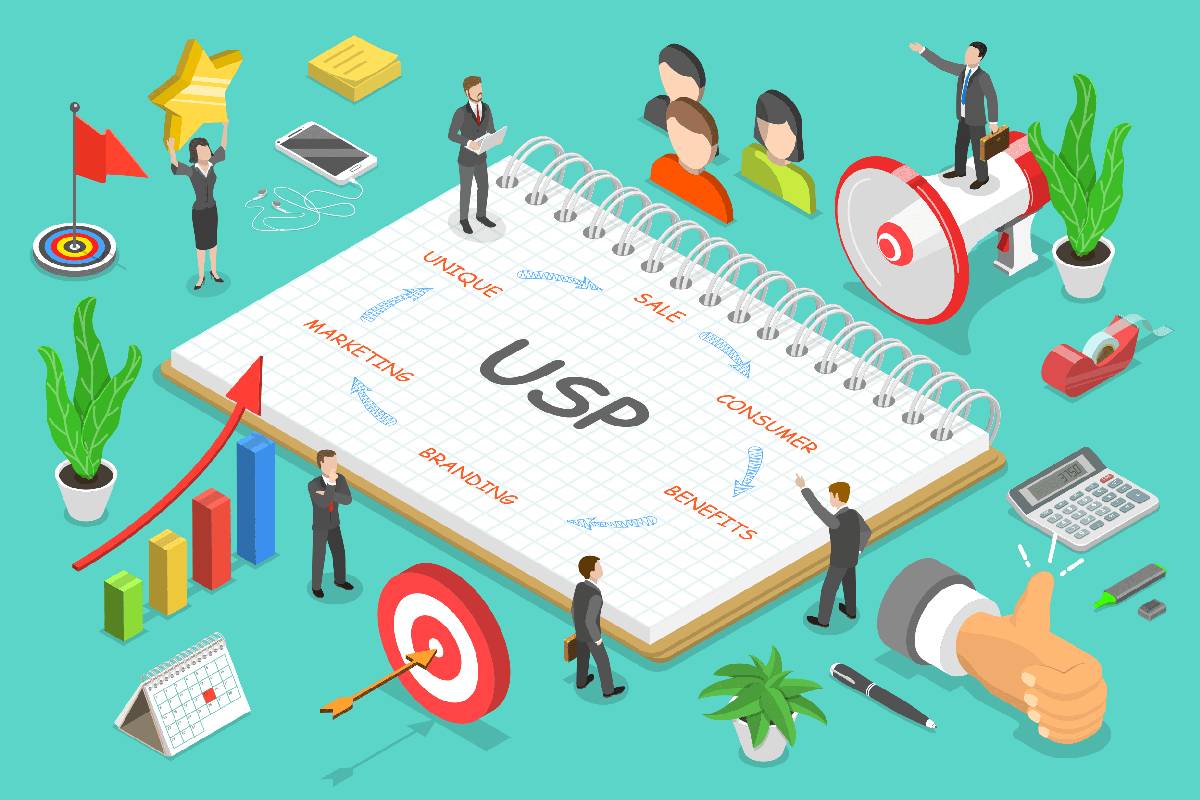
What Is a Unique Selling Proposition? A Practical Guide with Examples & Real Business Insights (2026)
In today’s market, almost every product has competition. Customers have endless choices, and most products look similar on the surface.
So why do people choose one brand over another?
The answer usually comes down to one powerful concept: the unique selling proposition (USP).
This is what makes a business stand out, get noticed, and ultimately win customers.
What Is a Unique Selling Proposition (Simple Explanation)
A unique selling proposition (USP) is the specific factor that makes your product, service, or brand different from competitors and gives customers a reason to choose you.
In simple terms:
- Many businesses offer similar products
- Your USP highlights what makes you different
- That difference influences customer decisions
It answers one key question:
Why should customers choose you instead of someone else?
Why USP Matters in Real Business
Without a USP, your business becomes just another option in the market.
A strong USP helps you:
- Stand out in crowded markets
- Attract the right customers
- Build a clear brand identity
- Increase sales and conversions
If all products look the same, customers struggle to decide. A clear USP makes that decision easier.
How USP Works in Real Life
Let’s make this practical.
Scenario: Two Pizza Shops
Both offer similar menus.
- Shop A: “We sell pizza”
- Shop B: “Hot pizza delivered in 30 minutes or it’s free”
Which one sounds more compelling?
The second one has a strong USP—it clearly communicates a unique benefit.
Real Case Study: USP in Action
Situation
A new eCommerce brand struggled to attract customers.
Problem
- No clear differentiation
- Similar to competitors
- Weak messaging
What They Did
- Focused on eco-friendly materials
- Highlighted sustainability
- Targeted environmentally conscious buyers
Results
- Strong brand identity
- Increased customer trust
- Higher sales
The product didn’t change much—the positioning did.
Key Elements of a Strong USP
A powerful USP is not random. It follows certain principles.
1. Clear and Specific
It should clearly explain what makes you different.
2. Customer-Focused
It must address customer needs or problems.
3. Unique
It should not be easily copied by competitors.
4. Benefit-Driven
It should highlight value, not just features.
A strong USP focuses on a single, meaningful advantage that a business delivers better than anyone else.
Examples of Unique Selling Propositions
Understanding real examples makes the concept clearer.
1. Fast Delivery
“Delivered in 30 minutes or free”
Focus: speed and reliability
2. Lowest Price
“Best price guaranteed”
Focus: affordability
3. Premium Quality
“Handcrafted with the finest materials”
Focus: quality and craftsmanship
4. Innovation
“Cutting-edge technology for better performance”
Focus: advanced features
5. Sustainability
“Eco-friendly products for a better future”
Focus: environmental responsibility
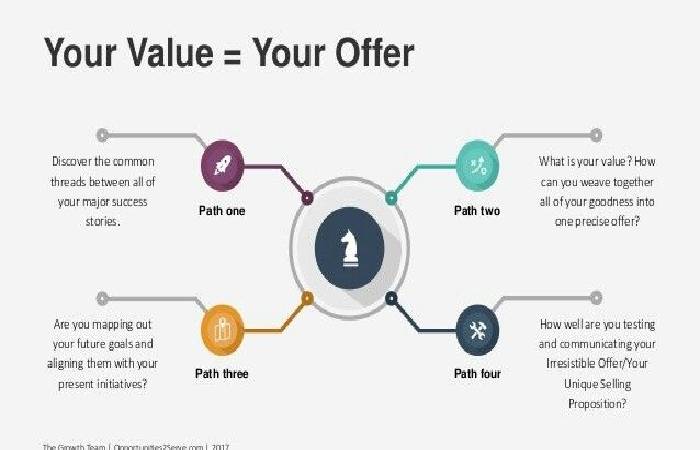
- Consumers like to do business with the companies that have exactly what they like or need, or that serve consumers like themselves.
- It can be baking gluten-free food for people with celiac disease, offering personal trainers for people over 50, or installing concrete pools.
- Sure, consumers could buy gluten-free food from a generic bakery. Still, there is always a risk of contamination with the bakery.
- And also, personal trainers certainly have the manual to help anyone get fit.
What Makes You Unique?
Your USP is what establishes that your position is unique in the market.
- For example, Starbucks is known for serving premium coffees in a world where cheap java glasses were the norm of the century.
- The honest company sells personal care products made only from natural ingredients.
Defining your USP
If you are not clear about the USP of your company or want to create one, start with:
- Identify and describe your ideal consumer: How old are you, how much money do you earn, where do you live, and when do you need your products or services are some questions to start.
- Assess your competition: What are your USPs? What are your strengths and weaknesses? How do these compare to yours?
- Ask yourself, what do your target consumers want from a business like yours that no one else has offered? Is everything else, low-end? Then be your high-end.
- None offer free delivery? That may be what sets you apart. Or do you have a generous loyalty program that rewards your consumers when they shop with you?
- Communicate to the market what your USP is: Make it clear what the key benefit of doing business with you is, and perhaps how it exceeds your competitors’ USPs.
If you chose a USP that you know your market wants and that no one else is offering, you should see the results immediately.
USP vs Value Proposition (Important Difference)
These two are often confused.
| Feature | USP | Value Proposition |
|---|---|---|
| Focus | What makes you unique | Overall value offered |
| Scope | Narrow and specific | Broader explanation |
| Purpose | Differentiation | Customer benefit |
A USP is one strong reason to choose you.
A value proposition explains the full value you provide.
Benefits of Having a Strong USP
1. Better Brand Positioning
Your business becomes easier to understand.
2. Higher Conversion Rates
Clear messaging leads to better decisions.
3. Stronger Customer Trust
Customers know what to expect.
4. Competitive Advantage
You stand out in crowded markets.
5. Marketing Clarity
All campaigns become more focused and consistent.
Common Mistakes Businesses Make
Being Too Generic
Statements like “best quality” don’t stand out.
Trying to Do Everything
A USP should focus on one strong advantage, not multiple claims.
Ignoring Customer Needs
USP must reflect what customers actually care about.
Making Unrealistic Claims
If you can’t deliver, trust is lost.
How to Create a Unique Selling Proposition (Step-by-Step)
Step 1: Understand Your Audience
What problems do your customers face?
Step 2: Analyze Competitors
What are others offering?
Step 3: Identify Your Strength
What do you do better than others?
Step 4: Focus on One Key Benefit
Keep it simple and clear.
Step 5: Test and Refine
Adjust based on customer feedback.
When USP Becomes Most Important
A USP is critical when:
- Entering a competitive market
- Launching a new product
- Building a brand
- Trying to increase conversions
Future of USP in 2026
The concept is evolving with market trends.
Key Trends
- Personalization-focused messaging
- Niche targeting instead of mass appeal
- Experience-based differentiation
- Emotional connection with customers
Modern USPs are less about features and more about meaningful value and experience.
Key Takeaways
- A unique selling proposition defines what makes your business different
- It gives customers a reason to choose you
- It is essential for branding and marketing success
- It must be clear, specific, and customer-focused
- A strong USP improves visibility, trust, and sales
Final Thoughts
A unique selling proposition is not just a marketing line—it’s the foundation of how your business competes.
In a world full of choices, customers don’t pick the “best” product.
They pick the one that stands out and feels right for them.
That’s exactly what a strong USP does.