

Introduction
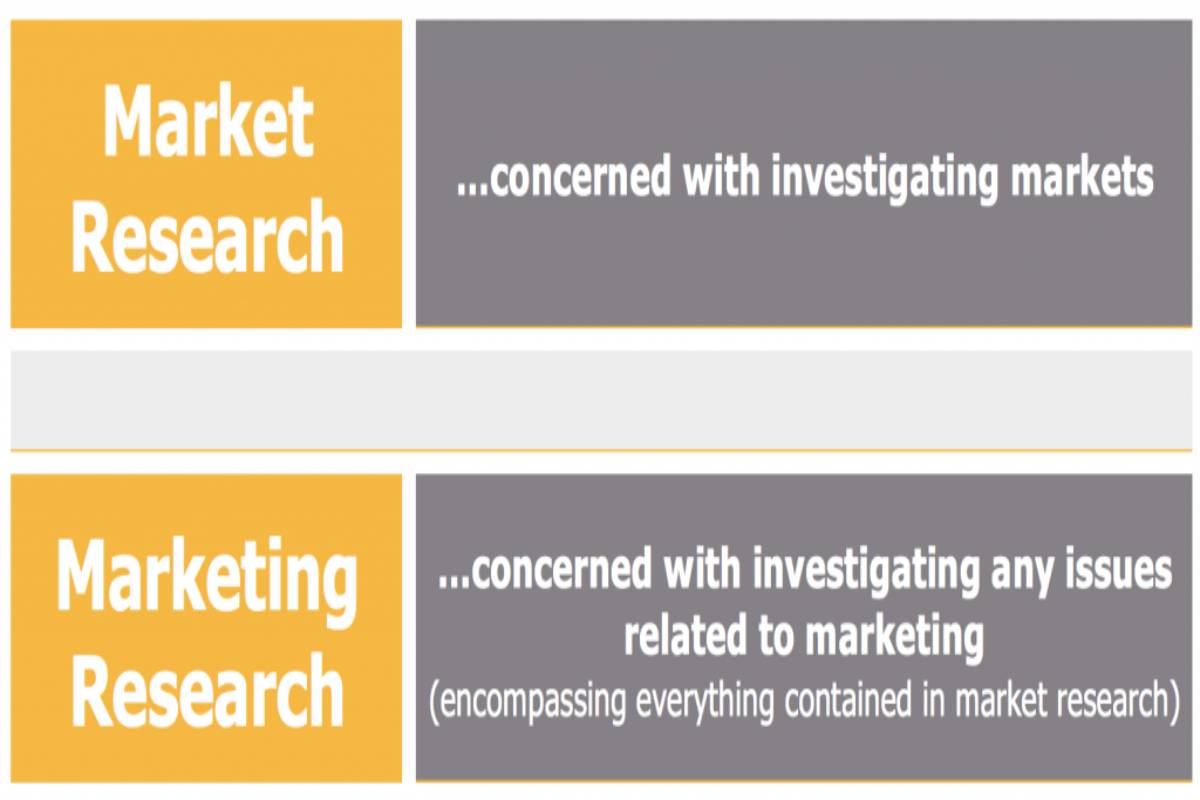
Many people think the terms “market” and “marketing” mean the same thing. In everyday conversations, they are often used interchangeably. But in business, commerce, and economics, these two concepts are completely different.
Understanding the difference between market and marketing is extremely important because both play separate roles in business success.
A market is where buyers and sellers interact.
Marketing is the process businesses use to attract those buyers and generate sales.
One is a platform for exchange.
The other is a strategy for creating demand.
This guide explains the difference in a practical, real-world way with examples, comparisons, business applications, and modern marketing insights.
What Is a Market?
Simple Definition
A market is a place or system where buyers and sellers interact to exchange goods, services, or information. Markets can be physical or digital.
In simple terms:
- Buyers want products or services
- Sellers offer products or services
- Transactions take place
Traditionally, markets referred to physical places like:
- Bazaars
- Shopping malls
- Wholesale markets
Today, markets also include:
- E-commerce websites
- Stock markets
- Online service platforms
Modern technology has expanded markets beyond physical locations.
Detailed Explanation of Differences
1. Nature
- Market is a platform or environment
- Marketing is a continuous process
2. Focus
- Market focuses on:
- Transactions
- Pricing
- Marketing focuses on:
- Customer behavior
- Demand creation
3. Scope
- Market → Limited (only buying/selling)
- Marketing → Wide (research, promotion, sales, service)
4. Objective
- Market → Enable exchange
- Marketing → Increase sales & build relationships
5. Role in Business
- Market is where business happens
- Marketing is how business grows
Real-Life Example to Understand Better
Let’s say you open a clothing store.
Market:
- Your shop or online store
- Customers visiting to buy clothes
Marketing:
- Ads on Instagram
- Discounts
- Branding
Without marketing:
No one knows about your store
Without market:
No place to sell
Why Both Are Important
Both concepts are connected and essential.
Market:
- Provides platform
- Enables transactions
Marketing:
- Brings customers
- Creates demand
- Builds brand
Together = Business success
Types of Markets
Understanding types helps improve SEO depth.
- Local market
- National market
- International market
- Online market
Types of Marketing
- Digital marketing
- Content marketing
- Social media marketing
- Influencer marketing

The term marketplace is defined as a place where the gatherings meet and exchange their goods, services and information for thought. The purchase and sale of merchandise between parties are known as the deal. The two parties betrothed in an exchange are buyer and seller. The deal can continue, either directly or through intermediaries like agents before institutions.
The market is defined as a preparation whereby buyers and sellers meet each other to conclude the transaction.
There are many purchasers and sellers in a marketplace; that plays an important role in fixing the prices of goods and services. The buyers decide the request, whereas sellers control the supply. It is a set-up where skill is easily deciding, and resources are allocate, among different members of the society.
Markets at present, are not limit to a bodily location only, rather they are extend almost also i.e. media marketplace, internet market (e-commerce) are a good instance of that. The market is split as local, national or global, which can be for a short period or long period. It can also be alienated as a wholesale market, trade market, financial marketplace and so on.
Definition of Marketing
Features of a Market
Presence of Buyers and Sellers
A market always includes:
- Buyers who demand products
- Sellers who supply products
Without either side, a market cannot exist.
Exchange of Goods and Services
The main purpose of a market is exchange.
Products, services, or information are traded between parties.
Price Determination
Prices are influenced by:
- Demand
- Supply
- Competition
Markets help determine fair pricing through these forces.
Physical or Digital Nature
Markets can exist:
- Offline
- Online
- Locally
- Globally
Examples:
- Local vegetable market
- Amazon marketplace
- Cryptocurrency market
Types of Markets
Physical Market
Traditional marketplaces where buyers and sellers meet physically.
Examples:
- Retail shops
- Supermarkets
- Local bazaars
Digital Market
Online platforms where transactions occur digitally.
Examples:
- Amazon
- Flipkart
- eBay
Financial Market
Markets dealing with financial assets.
Examples:
- Stock market
- Forex market
- Cryptocurrency market
Service Market
Markets focused on services rather than physical goods.
Examples:
- Freelancing platforms
- Consulting services
- Education platforms
What Is Marketing?
Simple Definition
Marketing is the process of identifying customer needs, creating value, promoting products or services, and delivering them effectively to customers.
In simple terms:
- Businesses understand customer needs
- Create products or services
- Promote them to target audiences
- Encourage customers to buy
Marketing is not just advertising. It includes:
- Research
- Branding
- Promotion
- Pricing
- Customer communication
- Distribution
Features of Marketing
Customer-Focused Process
Marketing starts with understanding customer needs.
Businesses analyze:
- Preferences
- Problems
- Buying behavior
Continuous Activity
Marketing is ongoing.
Businesses constantly:
- Promote products
- Analyze trends
- Improve strategies
Value Creation
Marketing focuses on delivering value, not just selling products.
Relationship Building
Modern marketing aims to build long-term customer relationships.
Strategic Nature
Marketing involves planning and execution.
It includes:
- Campaign creation
- Branding
- Positioning
- Audience targeting
Components of Marketing
Market Research
Businesses study:
- Customer behavior
- Industry trends
- Competitor strategies
This helps improve decision-making.
Product Development
Products are designed based on customer demand.
Promotion
Businesses promote products using:
- Advertising
- Social media
- Email marketing
- Influencer marketing
Pricing
Pricing strategies affect customer perception and profitability.
Distribution
Products must reach customers effectively.
Examples:
- Retail stores
- Online platforms
- Delivery networks
Main Difference Between Market and Marketing
Simple Comparison
A market is where buying and selling happen.
Marketing is the process that helps businesses attract buyers and increase sales.
Difference Between Market and Marketing Table
| Basis | Market | Marketing |
|---|---|---|
| Meaning | Place or system for exchange | Process of promoting and selling |
| Nature | Platform | Activity or strategy |
| Focus | Buying and selling | Customer satisfaction and demand creation |
| Purpose | Facilitate trade | Increase sales and brand awareness |
| Scope | Narrow concept | Broad concept |
| Participants | Buyers and sellers | Businesses and marketers |
| Function | Enables transactions | Drives transactions |
| Example | Stock market, retail market | SEO, advertising, branding |
Real-Life Example to Understand the Difference
Example: Clothing Business
Market
The clothing market includes:
- Customers
- Competitors
- Online stores
- Demand for fashion products
This is the environment where buying and selling happen.
Marketing
Marketing includes:
- Instagram ads
- Influencer collaborations
- Email campaigns
- Product branding
These activities help the business attract customers.
Why Marketing Is Important in a Competitive Market
In modern business, simply entering a market is not enough.
Businesses must:
- Build visibility
- Create trust
- Differentiate themselves
- Communicate value clearly
This is why marketing has become essential for business growth.
Without marketing:
- Customers may never discover products
- Sales remain low
- Brand awareness stays weak
Market vs Marketing in Business Strategy
Role of Market
Markets help businesses understand:
- Customer demand
- Competition
- Industry conditions
Role of Marketing
Marketing helps businesses:
- Reach target audiences
- Position products effectively
- Increase customer engagement
Both concepts work together for business success.
Relationship Between Market and Marketing
Although different, they are closely connected.
Market Creates Opportunity
The market provides:
- Customers
- Demand
- Transaction environment
Marketing Creates Demand
Marketing:
- Attracts attention
- Influences decisions
- Encourages purchases
A business needs both to grow successfully.
Traditional Marketing vs Modern Marketing
Traditional Marketing
Examples:
- Newspapers
- TV ads
- Radio ads
- Billboards
Traditional marketing focused mainly on mass communication.
Modern Marketing
Today’s marketing includes:
- Social media marketing
- Content marketing
- SEO
- Influencer marketing
- AI-driven advertising
Modern marketing is more targeted and data-driven.
Importance of Understanding the Difference
Helps Businesses Build Better Strategies
Businesses can:
- Analyze markets properly
- Create better marketing campaigns
- Understand customer behavior
Improves Business Decision-Making
Understanding these concepts helps with:
- Product launches
- Pricing decisions
- Branding strategies
Useful for Students and Entrepreneurs
This topic is important in:
- Commerce
- Economics
- Business studies
- Entrepreneurship
Common Mistakes People Make
Assuming Both Terms Mean the Same Thing
This is the most common misunderstanding.
A market is not marketing.
Focusing Only on Selling
Marketing is broader than selling.
It includes:
- Research
- Branding
- Relationship-building
Ignoring Market Conditions
Good marketing cannot succeed if businesses ignore customer demand and market realities.
Modern Examples of Markets and Marketing
Example 1: Amazon
Market
Amazon acts as an online marketplace connecting buyers and sellers.
Marketing
Amazon uses:
- Search ads
- Personalized recommendations
- Email marketing
- Promotions
to attract customers and increase sales.
Example 2: Smartphone Industry
Market
The smartphone market includes:
- Samsung
- Apple
- Xiaomi
- Consumers
Marketing
Companies compete using:
- Advertising campaigns
- Product launches
- Influencer partnerships
- Social media branding
Future of Markets and Marketing (2026 Trends)
Digital Transformation
Both markets and marketing are becoming increasingly digital.
AI and Automation
Businesses now use AI for:
- Customer targeting
- Personalized advertising
- Market analysis
Data-Driven Strategies
Modern marketing relies heavily on:
- Customer data
- Analytics
- Behavioral insights
Global Market Expansion
Businesses can now reach global audiences through digital platforms.
Key Takeaways
Important Points to Remember
- A market is a place or system where buying and selling occur
- Marketing is the process of promoting and delivering value
- Markets facilitate transactions
- Marketing drives customer demand and business growth
- Both concepts are essential for successful businesses
Final Thoughts
Difference between market and marketing is simple when you break it down:
- Market = Where selling happens
- Marketing = How selling happens
Once you understand this, you’ll see how businesses grow and succeed in real life.