


What Is Advertising? A Complete, Practical Guide to the Concept (2026)
Advertising is everywhere—on your phone, in videos, on billboards, inside apps, even in the content you read. But beyond just “promoting products,” advertising is a structured, strategic process that businesses use to influence decisions, build awareness, and drive revenue.
This guide explains advertising in a clear, practical way—what it is, how it works, types, examples, and what you really need to understand to use it effectively.
What Is Advertising (Simple Explanation)
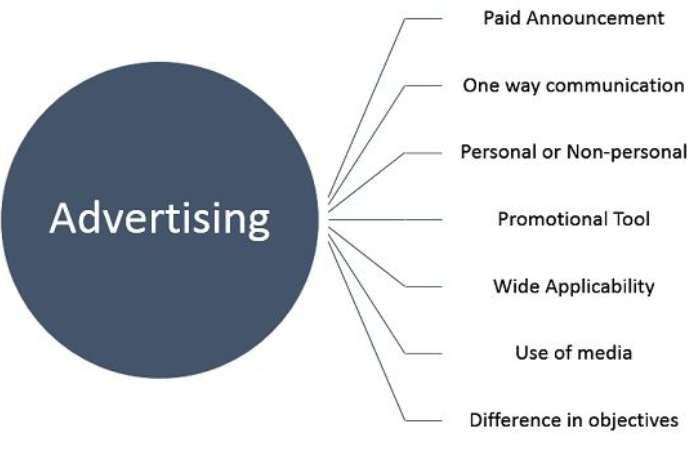
Advertising is the paid promotion of products, services, or ideas to a target audience through various media channels.
In simple terms:
- A business creates a message
- Pays to show it to a specific audience
- Aims to influence behavior (buy, sign up, visit, etc.)
The key word here is paid—this is what separates advertising from organic promotion like word-of-mouth or SEO.
Why Advertising Exists
Every business has one core goal: to attract customers and generate sales.
Advertising helps by:
- Creating awareness
- Generating interest
- Influencing decisions
- Driving action
Without advertising, even great products can go unnoticed.
What is publicity?
Advertising is a marketing strategy that involves purchasing media space to promote a product, service, or brand. The goal is to reach the company’s target audience and persuade them to take action — usually buying.
But this is still a simplified definition.
Advertising is also a field of study within communication. It’s a mix of creativity, psychology, sociology, and strategy. It reflects cultural values, trends, and behaviors of society.
That’s why advertisers stay updated on culture, memes, social movements, fashion, and human behavior. Great ads connect with people because they mirror the world around them.
In many ways, advertising is a reflection of society. But critics argue that it doesn’t just reflect — it also shapes behaviors and influences decisions.
This is why advertising requires regulations and ethical guidelines.
The Meanings of Advertising
The Royal Spanish Academy dictionary gives three meanings of the word “advertising”:
-
Quality or state of being public.
-
Set of media used to spread news or information.
-
Commercial promotion to attract buyers, viewers, or users.
Most people focus only on the third definition — the commercial one. But advertising existed even before modern commerce. Human beings always communicated and spread information.
If you want to understand advertising deeply, you must understand the second meaning: the ability to inform the public using different media.
How Advertising Works in Real Life
Let’s take a simple example.
Scenario: New Coffee Shop
A new café opens in your area.
Without advertising:
- People don’t know it exists
- Foot traffic is low
With advertising:
- Ads appear on Instagram
- Google shows the café in local searches
- Flyers reach nearby residents
Result:
- More people visit
- Business grows
Advertising connects the product to the customer.
Key Elements of Advertising
Effective advertising is not random—it’s built on a few essential components.
1. Target Audience
You must know who you are trying to reach.
Examples:
- Students
- Working professionals
- Business owners
Advertising fails when it targets the wrong audience.
2. Message
What are you trying to communicate?
- Problem → Solution
- Benefit → Value
A clear message increases effectiveness.
3. Medium (Channel)
Where will the ad appear?
- Social media
- Search engines
- TV or print
Choosing the right channel is critical.
4. Budget
How much are you willing to spend?
Advertising requires investment, and results depend on how efficiently you use your budget.
5. Call to Action (CTA)
Every ad should tell the audience what to do next:
- Buy now
- Sign up
- Visit store
Types of Advertising
There are several types, depending on platform and objective.
1. Digital Advertising
This is the most common today.
Examples:
- Social media ads
- Search engine ads
- Display ads
2. Traditional Advertising
Older but still effective in some markets.
Examples:
- TV commercials
- Radio ads
- Newspapers
3. Social Media Advertising
Focused on platforms like:
Highly targeted and measurable.
4. Search Engine Advertising
Appears when users search for something.
Example:
- Ads on Google search results
These capture high-intent users.
5. Influencer Advertising
Brands collaborate with individuals who have an audience.
- Builds trust
- Feels more authentic
Real Case Study: Advertising That Worked
Situation
A small clothing brand struggled with low sales.
Strategy
- Ran targeted ads on social media
- Focused on a specific audience
- Used clear product benefits
Results
- Increased website traffic
- Higher sales conversions
- Strong brand visibility
The product didn’t change—visibility did.
Benefits of Advertising
1. Increases Awareness
People discover your brand.
2. Drives Sales
Encourages customers to take action.
3. Builds Brand Image
Creates recognition and trust.
4. Targets Specific Audiences
Modern ads can be highly personalized.
5. Scalable Growth
You can increase reach by increasing budget.
Advertising vs Marketing (Important Difference)
| Feature | Advertising | Marketing |
|---|---|---|
| Scope | Paid promotion | Overall strategy |
| Focus | Awareness & sales | Research, branding, sales |
| Cost | Paid | Can be organic or paid |
Advertising is part of marketing—not the whole thing.
Common Mistakes to Avoid
Targeting Everyone
Trying to reach everyone reduces effectiveness.
Weak Message
If the message is unclear, the ad fails.
Ignoring Data
Not tracking performance leads to wasted budget.
Poor Creative
Low-quality visuals or copy reduce engagement.
No Clear Goal
Every campaign should have a defined objective.
What Makes Advertising Effective
Successful advertising depends on:
- Understanding your audience
- Clear and compelling messaging
- Choosing the right platform
- Consistent testing and improvement
It’s not about spending more—it’s about spending smart.
When Advertising Is Most Important
Advertising is essential when:
- Launching a new product
- Entering a new market
- Increasing brand awareness
- Driving immediate sales
Future of Advertising (2026 Trends)
Advertising is evolving rapidly.
Key Trends
- AI-driven targeting
- Personalized ads
- Short-form video dominance
- Data-driven decision making
The focus is shifting from broad reach to precision targeting.
Key Takeaways
- Advertising is paid promotion aimed at influencing behavior
- It helps businesses reach and convert customers
- It includes digital, traditional, and social media channels
- Success depends on targeting, message, and execution
- It is a core part of any growth strategy
Final Thoughts
Advertising is not just about showing ads—it’s about delivering the right message to the right people at the right time.
When done correctly, it can:
- Build a brand
- Increase revenue
- Create long-term growth
When done poorly, it becomes an expense with little return.
The difference lies in strategy, understanding, and execution.