

Table of Contents
What Is an Architectural Project? A Complete Guide (With Phases, Examples & Best Practices)
An architectural project is more than just designing a building. It’s a structured process that transforms an idea — whether a home, office, retail store, school, or public space — into a built reality. Architectural projects involve multiple phases, from initial concept to construction and completion, with each step guided by technical expertise, client needs, regulations, and practical constraints.
This comprehensive guide explains what an architectural project is, the typical phases involved, what professionals do at each stage, real-world examples, and how you can approach an architectural project with clarity — even if you are new to the field.
What Is an Architectural Project?
An architectural project is a planned effort to design and create a building or structure that satisfies specific functional, aesthetic, safety, and regulatory requirements. It requires collaboration among architects, engineers, contractors, clients, and sometimes government authorities.
Architectural projects can range from small renovations to large-scale construction of residential, commercial, institutional, or industrial buildings.
The Purpose of an Architectural Project
Good architectural projects aim to:
Meet the client’s needs and goals
Provide safe, usable, and efficient spaces
Respect environmental and regulatory standards
Optimize budget, timeline, and materials
Create aesthetically pleasing and sustainable design
Unlike a DIY sketch or simple floor plan, an architectural project includes technical drawings, engineering analysis, compliance with laws, and coordinated execution on site.
Typical Phases of an Architectural Project
While the names may vary depending on the firm or country, most architectural projects follow a similar multi-phase process:
1. Pre-Design / Project Initiation
Goal: Define project scope, objectives, constraints, and budget.
Key activities:
-
Client meetings to understand needs
-
Site analysis (location, zoning, topography)
-
Budget estimation
-
Preliminary feasibility studies
Example: A family wants to build a 3-bedroom home; they discuss desired style, lot size, number of floors, sustainability goals, and budget.
2. Concept Design (Schematic Design)
Goal: Develop broad design ideas and visual concepts.
Architects produce:
-
Initial sketches and massing models
-
Rough layouts of spaces
-
Multiple design options
This phase focuses on big ideas, not technical details.
Important Output:
• Concept sketches
• Rough space plans
• Client feedback loop
3. Design Development
Goal: Refine approved concept into a more detailed design.
Architects and engineers begin:
-
Selecting materials and systems
-
Coordinating structure and building services
-
Defining room sizes, circulation, and major elements
By the end of this phase, the design has enough detail to estimate costs more accurately.
Outputs:
• Refined floor plans
• Elevations
• Material indications
• Initial cost estimate
4. Construction Documentation
Goal: Produce detailed technical drawings and specifications that builders will use.
This is the most detailed phase, including:
-
Floor plans
-
Sections and elevations
-
Structural, mechanical, electrical, plumbing drawings
-
Material schedules
-
Technical specifications
These documents support:
Bidding and contractor selection
Permitting and regulatory approval
Construction execution
5. Bidding & Permitting
Goal: Secure a contractor and necessary legal approvals.
Steps include:
-
Issuing construction documents to contractors
-
Comparing contractor bids
-
Submitting plans to local authorities
-
Obtaining building permits
Regulatory reviews may include:
• Zoning compliance
• Fire safety
• Accessibility standards
• Environmental impact
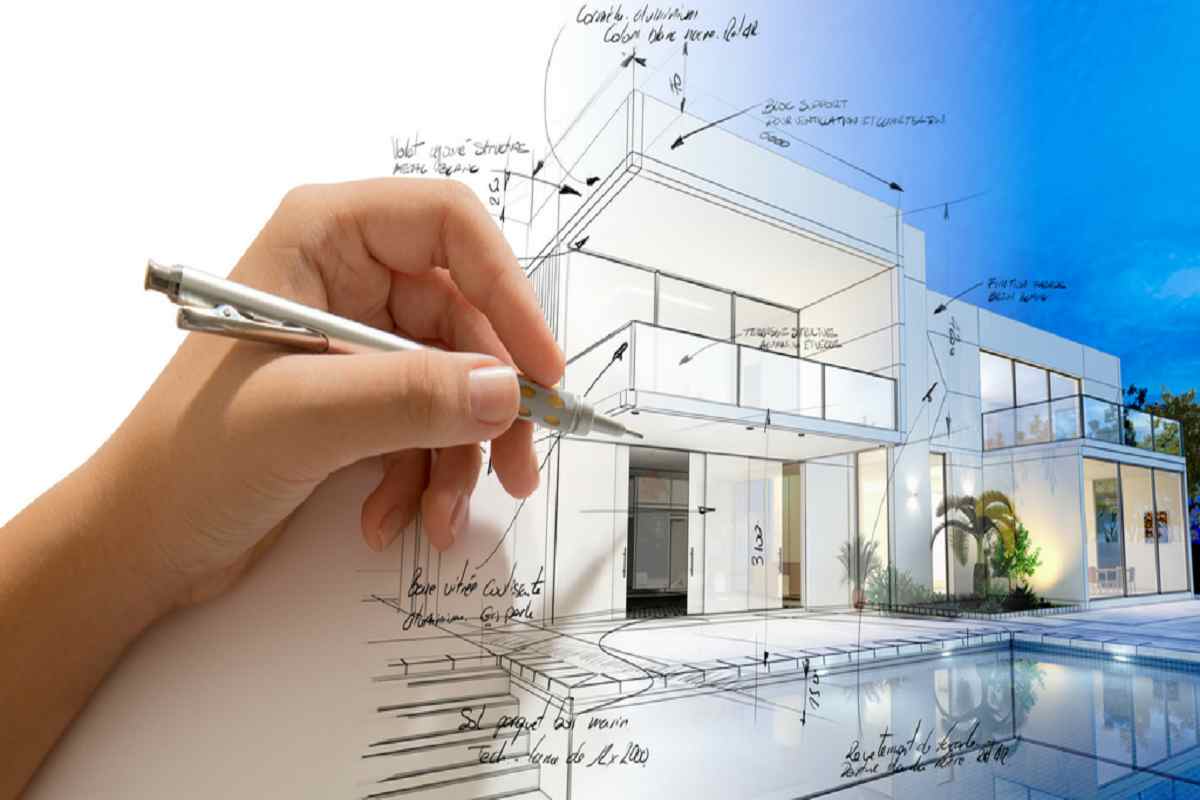
The projects are guides or instructions that detail what the steps to follow to reach a certain objective are. A project, in this way, collects ideas and actions that interrelate with an end. Architectural , on the other hand, refers to what is linked to architecture project (the science dedicated to the design and construction of buildings).
An architectural project, therefore, is a set of information and diagrams that allow detailing, in some support, how work will be carried out. These projects include graphics, diagrams, plans, and information that are accessible in printed and digital format. They can also include models and other kinds of representations.
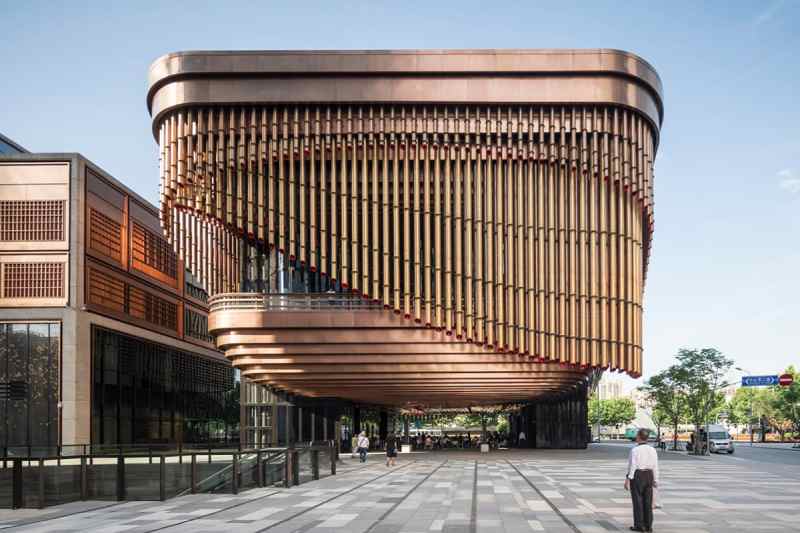
When undertaking an architectural project, we must bear in mind that a series of steps must be followed so that it is the result of serious, professional, and competent work:
- The first thing is to establish the contextual framework in which will develop. That means to record the conditions in which it occurs both economically and politically, among others. In the same field, reference should be made to the conclusions of the design, the definition of its users or the problem to be solved.
- The second place, is what is called historical framework? Under this denomination are included issues such as contributions and innovations, the evolution of the building to be designed, the conclusions regarding sustainability, design, or typology.
- Third, there is the theoretical-conceptual framework. This comes to define from the conceptualization of the building to be built (when, how much it costs, why, how, with what …) to the theoretical foundation through the architectural influences it has or the conclusions of the design.
- The fourth step is to determine the so-called methodological framework. This is to make clear the steps that will be taken, the techniques and procedures to be used, and even what are the necessary recommendations in this regard.
The operative framework is also basic; it is the one that establishes the beginnings of the works.
We can say that they are the main props that an architectural project has so that it is adequate, optimal, advantageous, and according to the needs that are possessed in a building.
The architect who develops the project begins by investigating the viability of his idea. The usual thing is for a person to go to the architect with a specific request and for the architect to analyze how construction could meet the needs raised by his client.
Conclusion
An architectural project is a comprehensive, multi-phase process that transforms ideas into built environments. It involves planning, design, engineering, documentation, permitting, construction, and handover — all coordinated by professionals with specialized skills.
Whether you’re a homeowner planning a renovation, a business leader building a new space, or a student learning about the field, understanding the phases and key practices of architectural projects will help you communicate effectively, make better decisions, and set realistic expectations.
This structured guide goes beyond a dictionary definition — it gives you the what, why, how, and who behind architectural projects.