


Sales Force: What It Really Means, How It Works, and Why It Drives Business Growth
Introduction
If you’ve ever looked up the term “sales force,” you’ve probably seen a short, dictionary-style definition that says something like: “a group of people responsible for selling a company’s products.”
Technically, that’s correct.
But if you’ve ever actually worked in a business—or even tried to sell something yourself—you already know it’s not that simple.
A sales force isn’t just a group of people making calls or pitching products. It’s the part of a business that directly connects effort to revenue. It’s where strategy meets real-world results. And in many cases, it’s the difference between a company that survives and one that scales.
In this guide, I’m going to break this down in a way that actually makes sense—not just definitions, but how a sales force works in real life, what separates average teams from high-performing ones, and how businesses use it to grow consistently.
What Is a Sales Force (Without the Textbook Explanation)
Let’s keep this simple.
A sales force is the team responsible for bringing money into the business.
That includes:
- Finding potential customers
- Talking to them
- Understanding what they need
- Offering a solution
- Closing the deal
- Keeping the relationship going
But here’s the part most definitions miss:
A good sales force doesn’t just sell—it builds a predictable system for generating revenue.
That’s a big difference.
Anyone can sell once. A strong sales force can sell consistently.
Why Every Business Depends on Its Sales Force
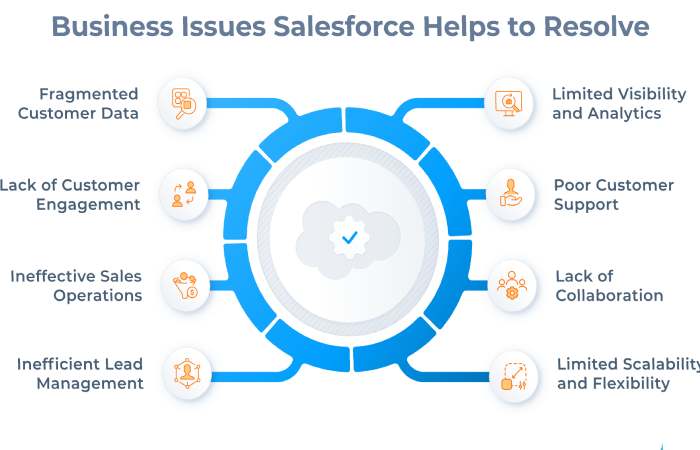
You can have:
- The best product
- A beautiful website
- Strong branding
But if nobody is actively converting interest into paying customers, none of it matters.
That’s where the sales force comes in.
Think of it like this:
- Marketing creates attention
- Sales turns that attention into money
Without a sales force:
- Leads don’t get followed up
- Opportunities get missed
- Revenue becomes unstable
This is why companies invest heavily in building and training sales teams. Because at the end of the day, sales is what keeps everything running.
What a Sales Force Actually Does (In Real Terms)
Let’s move beyond theory and look at what happens day-to-day.
1. Finding Potential Customers (Prospecting)
This is where everything starts.
Sales teams identify people who might be interested in what they’re offering. This can happen through:
- Cold outreach
- Referrals
- Online leads
- Events and networking
Without this step, nothing else happens.
2. Starting Conversations
Once a potential customer is identified, the next step is communication.
This isn’t just pitching—it’s understanding:
- What the customer wants
- What problem they’re trying to solve
- Whether your product actually fits
Good salespeople listen more than they talk.
3. Presenting the Offer
Now comes the part most people think of as “sales.”
This includes:
- Explaining the product
- Showing value
- Addressing objections
- Comparing alternatives
But the goal isn’t just to sell—it’s to make the decision easier for the buyer.
4. Closing the Deal
This is where interest turns into revenue.
But closing isn’t about pressure. In most modern businesses, it’s about:
- Timing
- Clarity
- Trust
If those three are in place, closing becomes natural.
5. Following Up and Building Relationships
This is the part many beginners ignore.
After the sale:
- Customers need support
- Relationships need nurturing
- Trust needs to grow
This is what leads to:
- Repeat business
- Referrals
- Long-term revenue
Real-World Example: Sales Force in a Real Estate Business
Let’s take a practical example you can easily relate to.
Imagine a real estate company.
Its sales force includes:
- Property agents
- Sales executives
- Relationship managers
Here’s how they operate:
- They connect with potential buyers
- Show properties
- Explain pricing and benefits
- Handle negotiations
- Close deals
But here’s what separates top agents from average ones:
It’s not just their knowledge.
It’s:
- How consistently they follow up
- How well they build trust
- How visible they are in the market
That’s where marketing and sales start blending together.
Case Study: Two Businesses, Same Product, Different Results
Let’s look at a simple comparison.
Business A
- Has a small sales team
- Doesn’t track leads
- No structured follow-up
- Relies on walk-in customers
Business B
- Uses a structured sales force
- Tracks every lead
- Follows up consistently
- Uses tools to manage customers
After 6–12 months:
- Business A struggles with inconsistent revenue
- Business B grows steadily
The difference isn’t the product.
It’s the system behind the sales force.
Different Types of Sales Force Structures
Not every business organizes its sales team the same way.
Here are the most common structures:
1. Geographic Structure
Each salesperson handles a specific area.
Best for:
- Local businesses
- Real estate
- Field sales
2. Product-Based Structure
Different teams focus on different products.
Best for:
- Companies with multiple product lines
3. Customer-Based Structure
Teams specialize in specific customer segments.
Best for:
- B2B businesses
- High-value clients
4. Hybrid Structure
A mix of all the above.
Most modern companies use this approach.
Sales Force Management: The Hidden Factor Behind Success
Having a sales team is one thing.
Managing it properly is what actually creates results.
Sales force management includes:
- Hiring the right people
- Training them
- Setting targets
- Monitoring performance
- Improving processes
Without proper management:
- Teams lose direction
- Motivation drops
- Results become unpredictable
Good management turns effort into performance.
Common Mistakes Businesses Make With Sales Teams
This is where things usually go wrong.
1. Treating Sales as a Short-Term Activity
Many businesses focus only on closing quick deals instead of building long-term systems.
2. Not Investing in Training
Sales skills don’t come naturally to everyone. Without training, performance stays average.
3. Ignoring Follow-Ups
Most deals don’t close on the first interaction. Lack of follow-up means lost revenue.
4. No Clear System
Without a process, every salesperson works differently. That leads to inconsistency.
5. Poor Alignment With Marketing
When marketing and sales don’t work together, leads are wasted.
How Marketing and Sales Work Together
One of the biggest misunderstandings in business is separating marketing and sales.
In reality:
- Marketing brings people in
- Sales converts them
If marketing is strong but sales is weak:
- Leads don’t convert
If sales is strong but marketing is weak:
- There aren’t enough leads
The best businesses treat both as one system.
Modern Sales Force: How Technology Changed Everything
Sales today is very different from what it used to be.
Modern sales teams use:
- CRM tools to track customers
- Automation for follow-ups
- Data analytics to understand behavior
- AI tools to improve efficiency
This allows businesses to:
- Track every interaction
- Improve conversion rates
- Scale faster
But technology alone isn’t enough.
It still comes down to people, communication, and trust.
Practical Tips to Build a Strong Sales Force
If you’re running a business or planning to build a sales team, here’s what actually works:
1. Focus on the Right People
Hire for:
- Communication skills
- Consistency
- Attitude
Skills can be trained. Mindset is harder to change.
2. Create a Clear Process
Define:
- How leads are handled
- When follow-ups happen
- How deals are closed
Structure creates consistency.
3. Train Regularly
Even experienced salespeople need improvement.
Training should include:
- Communication skills
- Objection handling
- Product knowledge
4. Track Everything
Use tools to monitor:
- Leads
- Conversions
- Performance
What gets tracked gets improved.
5. Align With Marketing
Make sure:
- Leads are qualified
- Messaging is consistent
- Goals are shared
Why Some Sales Forces Perform Better Than Others
This is something people often wonder.
Why do some teams consistently outperform others?
It usually comes down to:
- Better systems
- Stronger leadership
- Consistent follow-up
- Clear communication
- Focus on relationships
Not luck.
Not talent alone.
Just better execution.
What Most People Get Wrong About Sales
Let’s clear up a few myths.
Myth 1: Sales Is About Talking a Lot
Reality: It’s about listening and understanding.
Myth 2: You Need to Be Aggressive
Reality: Trust builds more deals than pressure.
Myth 3: Closing Is the Hardest Part
Reality: Poor preparation makes closing hard.
Myth 4: One Good Pitch Is Enough
Reality: Consistency beats one-time effort.
The Future of Sales Force in Business
Looking ahead, sales forces will continue to evolve.
What’s changing:
- More digital interactions
- Increased use of data
- Automation of routine tasks
What’s not changing:
- Human connection
- Trust
- Relationship building
No matter how advanced tools become, people still buy from people they trust.
Final Thoughts
A sales force is much more than a definition in a textbook.
It’s the part of a business that turns effort into results.
When built correctly, it creates:
- Consistent revenue
- Strong customer relationships
- Long-term growth
When ignored, even the best products struggle to sell.
If there’s one thing to remember, it’s this:
Sales isn’t just about selling—it’s about building a system that works every day, not just once.