

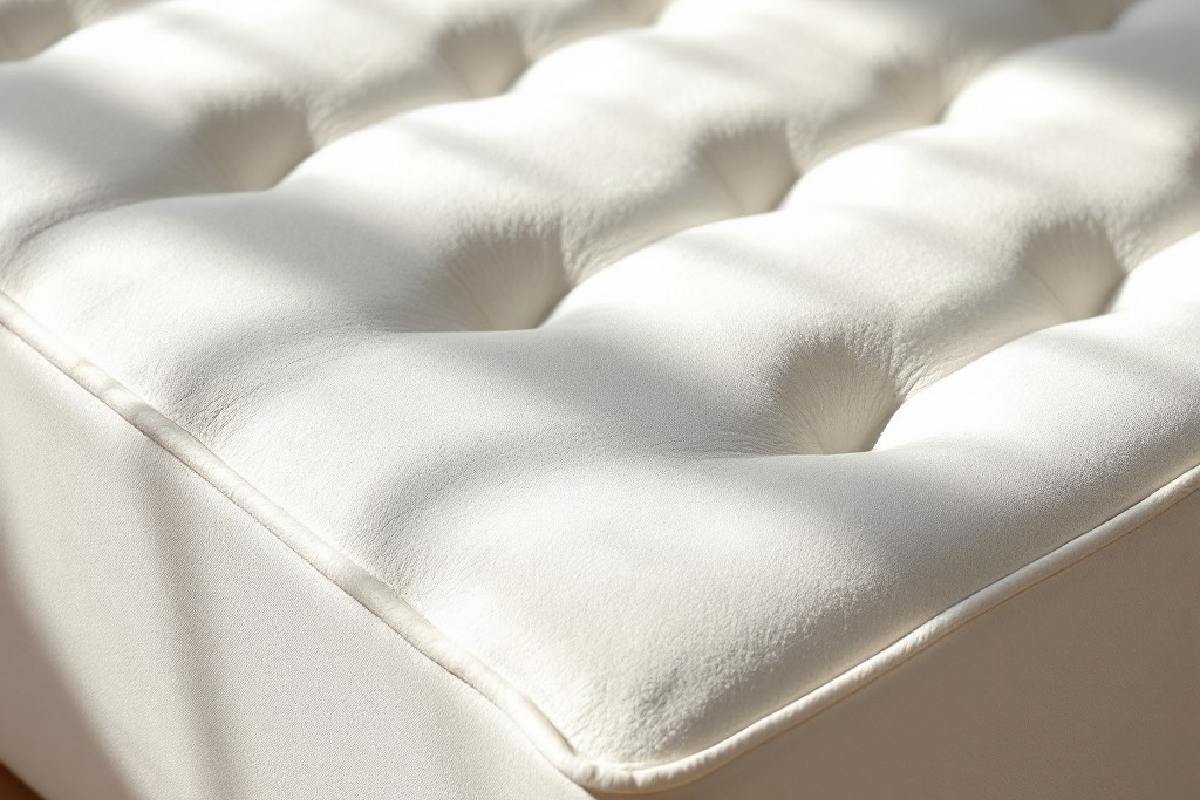
The manufacture of modern mattresses is a complex process that involves a wide variety of specialized machines. These mattress manufacturing machines are designed to increase efficiency, maintain consistency, and deliver the high quality customers expect. Different machines play important roles throughout production, from cutting raw materials to assembling and packaging the finished product.
Understanding how these processes work also highlights the importance of effective supply chain management, which helps manufacturers coordinate raw materials, production schedules, inventory, and deliveries. This article explores the machines used in mattress manufacturing and their applications.
Industrial Sewing Machines
In the production of mattresses, sewing is one of the most critical processes. Industrial sewing machines are specifically manufactured for heavy-duty use, meaning that they can work with thick fabrics, foam, and other mattress materials. Different attachment systems are used in industrial sewing machines depending on the purpose.
Different Attachments Used in Mattress Manufacturing
Attachment Systems Used in Sewing
Tape Edge Sewing Attachments: Are used in stitching the edges of the mattress, making it look neat and tidy.
It makes sure that there is a secure stitching of the fabrics, foams, and quilts used in making the mattress.
Zipper Attachment Systems: Used in sewing zippers in mattress covers where there is the need to remove them and wash them. Are used in the precise sewing of the zippers in the mattress sides.
Quilting Machine Attachments: Used in sewing patterns on the outer part of the mattress.
Walking Foot Technology: Perfect for sewing through several layers of thick fabric and foam without movement.
Provides consistent stitching quality throughout the entire mattress surface.
The industrial sewing machines make sure that all fabrics pieces will be securely stitched together, making the product durable and strong.
Cutting Machines: Efficient and accurate cutting of materials is crucial for production. Specialized cutting machines help in cutting the material that is used in the production of mattresses: foam, fabric and innerspring. Here are a few types of the cutting machines that are used during the process:
Types of Cutting Machines
Foam Cutting Machines
Machines with high accuracy blades that cut foam to exact dimensions needed for specific mattress layers.
Advanced machines have CNC system for cutting complex shapes.
Fabric Cutting Machines
Cutting machines that cut large fabric rolls to panels and parts required for the manufacturing of the mattress.
Usually include automatic functions.
Spring Cutting Machines
Cutting machines that cut and shape metal parts of innerspring unit.
Makes sure that springs are equal in size and work properly.
Efficient packaging is only one part of the delivery process. Manufacturers must also coordinate transportation schedules, shipment tracking, and fulfillment requirements. Businesses supplying online marketplaces can learn more about shipping products to Amazon FBA fulfillment centers to understand how shipping arrangements support the movement of finished products to their intended destinations.
These machines help in reducing the amount of material waste and increase the speed of production.
Quilting Machines
Quilting is an essential process which improves the comfort and beauty of a mattress. Quilting machines are used for sewing several layers of fabric, padding, and foam into the mattress with various designs. This not only serves to increase the attractiveness of the mattress but also assists in maintaining its structural integrity over time.
The advanced quilting machines allow the designers to use programmed designs which provide customers with several options for patterns.
Compression and Packaging Machines
After the manufacture and inspection of the mattress, there is a need for packaging it for storing and transporting purposes. This is the last step at which compression and packaging machines become highly important.
Functions of Compression and Packaging Machines
- Compression Machines:
- Compress the mattress to a fraction of its original size, making it easier to handle and ship.
- Reduces shipping costs by allowing more products to be transported in a single load.
- Vacuum Sealing Machines:
- Vacuum-seal the compressed mattress to maintain its reduced size until it is ready to be unpacked by the customer.
- Provides protection against dust, moisture, and damage during transportation.
- Automated Wrapping Machines:
- Apply protective plastic wrap to the mattress.
- Ensure that the product remains clean and intact throughout the shipping process.
Other Specialized Machines
In addition to the core machines mentioned above, mattress manufacturing often relies on other specialized equipment to streamline production.
Examples of Other Machines
- Glue Application Machines:
- Apply adhesive to bond different layers of foam and fabric.
- Ensure uniform glue distribution for a stable and durable mattress structure.
- Edge Support Installation Machines:
- Assist in attaching edge support reinforcements, which prevent sagging and improve the mattress’s longevity.
- Inspection and Testing Machines:
- Perform quality control checks to ensure that each mattress meets safety and performance standards.
- Include pressure testing devices to simulate years of use and evaluate durability.
Modern mattress manufacturing depends on more than machinery alone. Businesses must coordinate raw material procurement, production schedules, finished-goods inventory, and distribution to maintain efficient operations. A well-managed supply chain helps manufacturers reduce bottlenecks, control costs, and respond more effectively to changes in customer demand.
Warehousing is another important consideration. Appropriate warehouse storage solutions help businesses organize raw materials, protect finished mattresses, and manage inventory before products are dispatched. Efficient storage and handling can reduce delays and support smoother movement from production to delivery.
Manufacturers and retailers may also explore alternative fulfillment models. Learning about how dropshipping is changing product fulfillment provides additional insight into how businesses coordinate suppliers, orders, and deliveries without necessarily holding all products in their own inventory.
Conclusion
The process of making mattresses depends heavily on the utilization of different machines in an effective manner. Right from industrial sewing machines with attachments to cutting, quilting, and packaging machines, every machine helps in making the best quality mattresses which are also comfortable and durable. With proper utilization of machines, manufacturers are able to produce quality mattresses.