


Table of Contents
5 Ways Your Business Can Utilise a Company Brochure
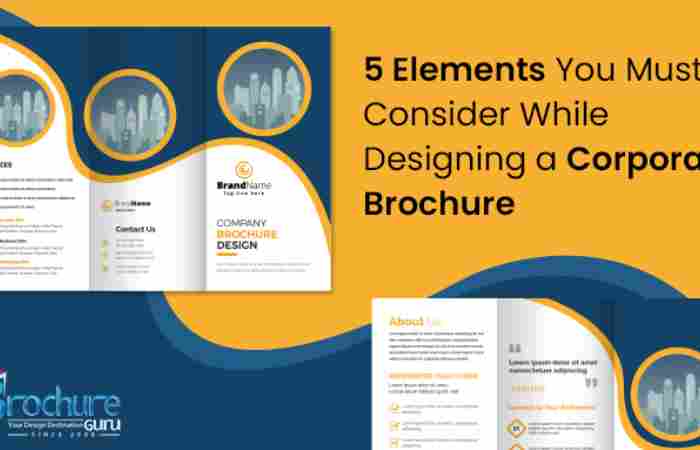
Even in today’s fast-paced digital world, a company brochure remains one of the most powerful marketing tools for businesses. Whether printed or digital, a well-designed brochure helps you tell your brand story, promote your services, and leave a lasting impression on potential customers. It’s tangible, versatile, and still one of the most effective ways to communicate professionalism and credibility.
In this article, we’ll explore five smart ways your business can utilise a company brochure to build trust, attract new clients, and boost your marketing impact.
Why Company Brochures Still Matter
Before diving into the five ways to use brochures effectively, let’s talk about why they’re still relevant in a world dominated by social media and email campaigns.
1. Tangible and Trustworthy
A printed brochure gives your audience something they can hold and browse through at their own pace. Unlike a fleeting social media post, a brochure sits on desks, coffee tables, and counters — staying visible for days or even weeks.
2. Builds Brand Credibility
A professionally designed brochure reflects the quality and seriousness of your business. It shows that you’ve invested time and thought into your marketing materials, which automatically boosts trust.
3. Easy to Distribute
Brochures are versatile. You can hand them out at trade shows, mail them to potential clients, include them in product shipments, or display them in-store. They work anywhere.
4. Complements Digital Marketing
Brochures and digital marketing don’t compete — they complement each other. You can include QR codes, links, or social media handles in your brochure to bridge the gap between print and online engagement.
Now that we know why they’re still powerful, let’s explore five practical ways your business can utilise a company brochure effectively.
1. Use Brochures for Brand Storytelling
Every great business has a story — and a company brochure is the perfect place to tell it.
a. Share Your Journey
Talk about how your company started, your mission, and what makes you unique. When readers feel connected to your story, they’re more likely to trust your brand.
Example:
If you run an eco-friendly clothing brand, your brochure can share how you source sustainable materials, support ethical labor, and contribute to environmental causes. This emotional appeal resonates deeply with conscious buyers.
b. Highlight Core Values
Include your company’s core values and vision. People want to do business with brands that stand for something meaningful — integrity, innovation, or community impact.
c. Use Real Images and Testimonials
Add authentic photos of your team, workspace, or customers. Including short testimonials or client success stories can make your brochure feel more personal and relatable.
Pro Tip: Avoid making your brochure text-heavy. Use clear sections, headings, and visuals to guide readers naturally through your story.
2. Brochures as a Sales Tool
A brochure isn’t just for information — it’s also a powerful sales tool that helps convert leads into paying customers.
a. Showcase Products or Services Clearly
List your main products or services with brief descriptions, pricing options, and key benefits. Use high-quality images and short bullet points to make it easy for customers to skim.
Example:
If you’re a digital marketing agency, your brochure could include sections like:
-
SEO & PPC Campaigns
-
Social Media Management
-
Content Strategy
-
Web Design & Development
Each section should clearly explain what you offer and how it solves customer problems.
b. Include a Strong Call-to-Action (CTA)
Don’t just end with “Contact us.” Inspire action with engaging CTAs like:
-
“Book your free consultation today”
-
“Visit our website for exclusive deals”
-
“Call now to schedule a demo”
c. Use Brochures During Sales Meetings
A well-designed brochure is the perfect leave-behind after a sales pitch. It reinforces your message, gives prospects something to review later, and reminds them why they should choose you.
d. Highlight Unique Selling Points (USPs)
Make sure your brochure clearly communicates what sets you apart from competitors — whether it’s superior quality, better pricing, or exceptional customer support.
3. Distribute Brochures at Events and Trade Shows
If your business attends exhibitions, networking events, or community fairs, brochures are your silent salespeople.
a. Instant Brand Recall
When visitors move from one booth to another, they might forget your pitch — but a brochure ensures they remember your brand long after the event is over.
b. Capture Leads Easily
Include QR codes or tear-off sections that link directly to your website, registration form, or product catalog. You can even track which brochures generate the most responses using unique URLs.
c. Make It Interactive
To stand out in a crowd of handouts, add creative elements like:
-
Fold-out maps
-
Coupon inserts
-
Interactive design features (like scratch-off sections or discount codes)
These touches make your brochure memorable and increase the chances of follow-up.
d. Follow Up After Events
After the event, send an email or message thanking attendees for stopping by and referencing the brochure they received. This follow-up closes the marketing loop and strengthens relationships.
4. Include Brochures in Packaging and Mail Campaigns
A lesser-known but highly effective tactic is using company brochures in mailers or product shipments.
a. In Product Deliveries
When customers receive your product, include a mini brochure that:
-
Highlights other products or services
-
Shares your brand story
-
Encourages repeat purchases or referrals
Example:
An online skincare brand could include a brochure that introduces a loyalty program or new product line — prompting customers to return and shop again.
b. Direct Mail Campaigns
Even in the digital era, direct mail marketing still works — especially for local businesses. Send brochures directly to targeted neighborhoods, offices, or industry contacts to build awareness.
c. Cross-Promotion
Partner with complementary businesses and include your brochure in their mailings. For example, a fitness center could share its brochure inside a local health store’s packaging — a win-win for both.
d. Personalized Touch
If you’re mailing to potential high-value clients, add a handwritten note or signature to make the brochure feel more personal. This small gesture can leave a big impact.
5. Use Brochures for Internal and Corporate Communication
Company brochures aren’t just for customers — they’re valuable tools for internal communication and corporate branding too.
a. Employee Onboarding
When new employees join your company, a brochure introducing your mission, culture, and key departments can help them feel aligned and informed from day one.
b. Investor Presentations
Investors appreciate concise, visually appealing documents. A professional brochure summarizing your achievements, growth statistics, and goals can enhance your pitch.
c. Franchise or Partner Marketing
If you operate franchises or collaborate with partners, brochures ensure brand consistency. Each partner can use the same professionally designed materials to represent your brand accurately.
d. Annual or Milestone Reports
A well-designed brochure can double as a lightweight annual report, showcasing milestones, CSR activities, and success stories in an easy-to-digest format.
Tips for Designing an Effective Company Brochure
A brochure only works if it’s well-designed and clearly communicates your message. Here are a few quick tips to make yours stand out:
1. Keep It Clean and Organized
Use plenty of white space, clear fonts, and professional layouts. Avoid overcrowding your brochure with too much text or too many images.
2. Focus on Quality
Poor paper quality or blurry printing can damage your brand image. Invest in high-resolution printing and premium materials.
3. Make It Visual
Use charts, infographics, and photos instead of long paragraphs. People absorb visual content faster.
4. Match Your Branding
Ensure your colors, fonts, and tone are consistent with your website, logo, and other marketing materials.
5. Make It Actionable
Include contact details, social media handles, website URLs, and QR codes. Don’t leave readers guessing about what to do next.
Digital Brochures: A Modern Twist
While printed brochures are classic, digital brochures are gaining popularity. They’re cost-effective, easy to distribute, and eco-friendly.
Benefits of Digital Brochures:
-
Shareable via email or social media
-
Trackable through analytics
-
Easily updated when services or prices change
-
Interactive (can include videos or clickable links)
Many businesses now create both versions — printed for physical distribution and digital for online reach.
The ROI of a Great Company Brochure
A well-executed brochure campaign can deliver a strong return on investment (ROI). Here’s why:
-
It attracts high-quality leads at events and through mailers.
-
It improves brand recall and trust.
-
It helps close deals faster by giving clients something tangible to reference.
-
It strengthens long-term relationships through professionalism and clarity.
In other words, a great brochure doesn’t just look good — it works hard for your business.
Conclusion
In the age of digital noise, a company brochure offers something refreshing: a tangible, lasting, and credible way to communicate your message. Whether you’re telling your brand story, showcasing services, attracting event visitors, or onboarding new employees, brochures remain a powerful marketing ally.
By following the strategies above, your business can transform a simple brochure into a multi-purpose marketing tool — one that educates, inspires, and converts.
So, the next time you think about marketing materials, don’t underestimate the impact of a well-crafted brochure. It’s not just paper — it’s your brand in someone’s hands.